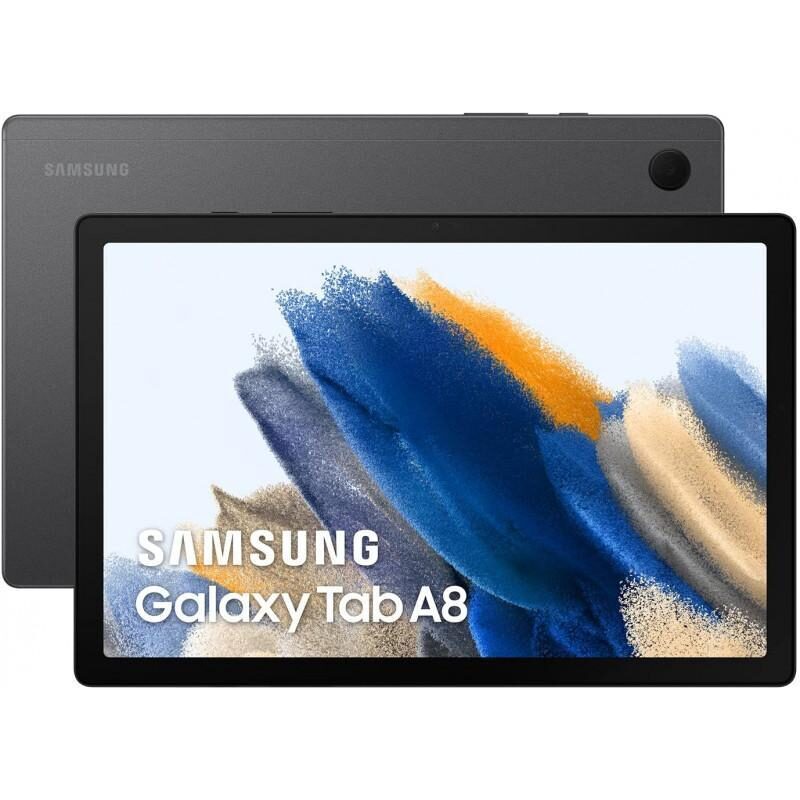
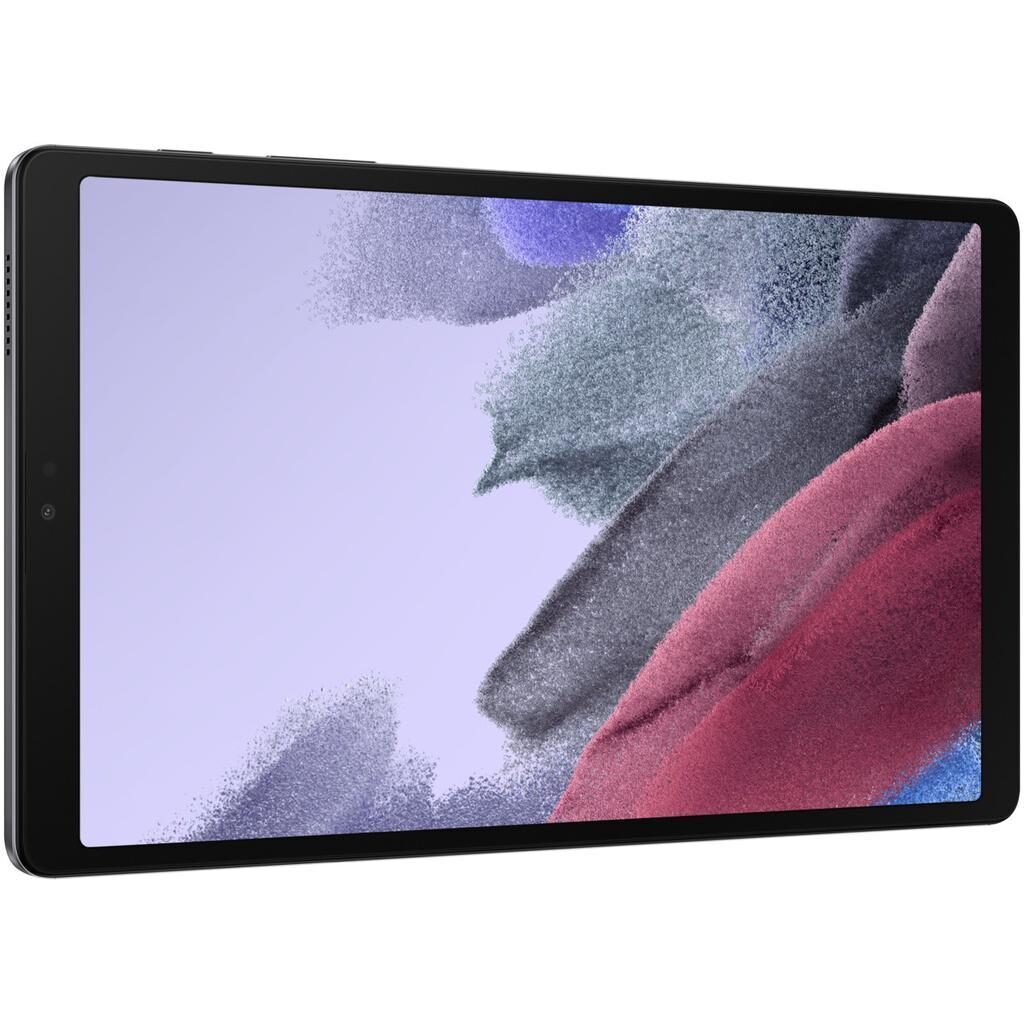
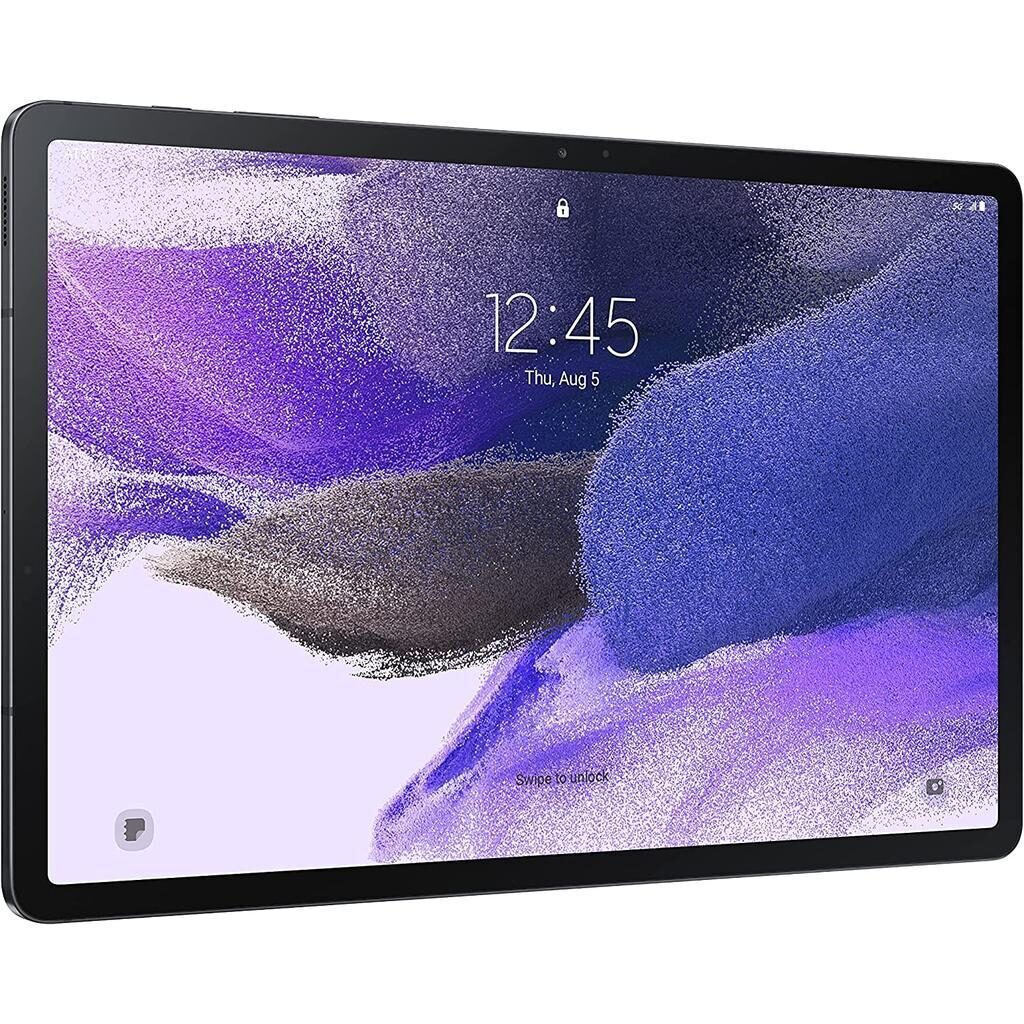
Galaxy Tab A7 (10.4", 2020) vs Galaxy Tab S8 (11.0", 2022)
Shop Samsung Galaxy Tab
Galaxy Tab A7 (10.4", 2020)
Starting at
£83.18£299.00 new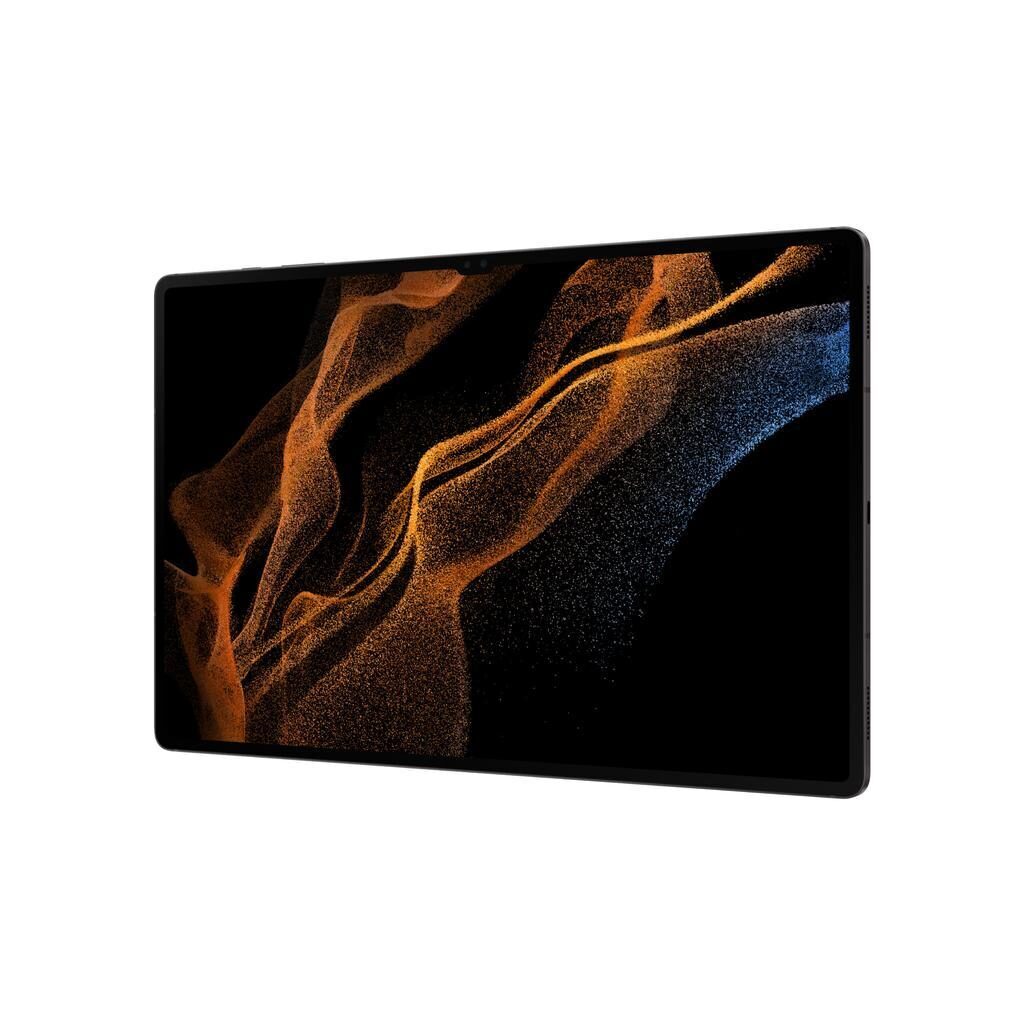
Galaxy Tab S8 (11.0", 2022)
Starting at
£324.36£649.00 newWhat's the difference between the Galaxy Tab A7 (10.4", 2020) and Galaxy Tab S8 (11.0", 2022)?
Galaxy Tab A7 (10.4", 2020) vs Galaxy Tab S8 (11.0", 2022) comes down to the RAM, screen size and weight. Refurbished, the Galaxy Tab A7 (10.4", 2020) starts at £83.18, £241.18 less than the Galaxy Tab S8 (11.0", 2022). The Galaxy Tab S8 (11.0", 2022) is the newer model, released in 2022.
Refurbished from
RAM
Screen size
Weight
- The Galaxy Tab S8 (11.0", 2022) has more RAM: 8 GB vs 3 GB.
- The Galaxy Tab S8 (11.0", 2022) has a bigger screen: 11.0 inch vs 10.4 inch.
- The Galaxy Tab A7 (10.4", 2020) has a lighter build: 477 g vs 503 g.
Galaxy Tab A7 (10.4", 2020) vs Galaxy Tab S8 (11.0", 2022) specs
The Galaxy Tab A7 (10.4", 2020) and the Galaxy Tab S8 (11.0", 2022) differ in several key areas that suit different users. The Galaxy Tab A7 is a solid choice for everyday tasks and lighter use, with a 10.4 inch screen and 3 GB RAM. The Galaxy Tab S8 offers a larger 11.0 inch screen with sharper resolution and a 120Hz refresh rate for smoother visuals. Its 8 GB RAM and faster 3.00 GHz processor make it better for demanding apps and multitasking.
Galaxy Tab A7 (10.4", 2020) vs Galaxy Tab S8 (11.0", 2022) price
Colour
Galaxy Tab A7 (10.4", 2020) vs Galaxy Tab S8 (11.0", 2022) battery life and software updates
Durability covers how long the devices can keep up with software updates and operating system support. This affects how long your tablet stays current and secure.
Software Updates
If you want a device that stays up to date longer, the S8 suits you.
Operating System Version
This means they share the same maximum OS version for apps and compatibility.
Battery
Maximum operating system supported
Year of release
Galaxy Tab A7 (10.4", 2020) vs Galaxy Tab S8 (11.0", 2022) performance
Performance impacts how smoothly apps run and how many tasks your tablet can handle at once. The two tablets differ significantly in processor speed, RAM and storage options.
Processor Speed and Power
The Galaxy Tab S8 has a Qualcomm SM8450 Snapdragon 8 Gen 1 processor running at 3.00 GHz, which is faster than the Galaxy Tab A7's Qualcomm SM6115 Snapdragon 662 at 2.0000 GHz. This means the S8 handles demanding apps and multitasking more smoothly.
Memory
Galaxy Tab S8 comes with 8 GB RAM, keeping everyday apps running smoothly and allowing more apps to stay open. The Galaxy Tab A7 has 3 GB RAM, which suits everyday use and lighter multitasking.
Storage Options
The Galaxy Tab S8 offers larger storage options at 128GB and 256GB. This is ideal if you need space for many apps, media, or documents. The Galaxy Tab A7 comes with 32GB, which fits basic storage needs.
Chipset
Processor
Processor brand
Processor core
Processor speed ghz
RAM
Galaxy Tab A7 (10.4", 2020) vs Galaxy Tab S8 (11.0", 2022) screen
Screen quality affects how clear and comfortable your viewing experience is. These tablets differ in size, resolution, pixel density and screen refresh rate.
Screen Size and Resolution
The Galaxy Tab S8 has a larger 11.0 inch screen with a higher resolution of 1600 x 2560. This provides more room and sharper images for video, reading or browsing. The Galaxy Tab A7 has a 10.4 inch screen at 1200 x 2000 resolution, suitable for everyday use with a slightly smaller viewing area.
Pixel Density
With 280 ppp, the Galaxy Tab S8 offers a crisper picture, making text and images appear sharper. The Galaxy Tab A7 has 230 ppp, which still delivers good quality for reading and media but with less detail.
Refresh Rate
The Galaxy Tab S8 supports a 120Hz refresh rate, which delivers smoother scrolling and animations. This benefits gaming, video playback and general navigation. The Galaxy Tab A7 has no 120Hz support, which fits well for standard use.
Screen Type
Both tablets use TFT LCD screens, providing clear images and colour accuracy suitable for everyday viewing and media consumption.
Display glass
Pixel density
Resolution
Screen size
Screen type
Galaxy Tab A7 (10.4", 2020) vs Galaxy Tab S8 (11.0", 2022) camera
Audiovisual features include speakers and the webcam, which affect media consumption and video calls.
Speakers
Both Galaxy Tab A7 and Galaxy Tab S8 have stereo speakers with four speakers total. This setup delivers balanced sound for videos, music and calls.
Webcam
Each tablet includes a webcam, so both are suitable for video calls, meetings and selfies.
Front camera definition
Rear camera definition
Speakers
Video recording
Webcam
Galaxy Tab A7 (10.4", 2020) vs Galaxy Tab S8 (11.0", 2022) size and design
Other features include refresh rate, carrier compatibility, SIM options and weight, which influence usability and portability.
Refresh Rate Support
The Galaxy Tab S8 supports 120Hz refresh rate, making the screen feel smoother during fast movements and animations. The Galaxy Tab A7 does not have this feature, suitable for users who prefer standard screen behaviour.
Carrier Compatibility and SIM
Both tablets are unlocked and do not support double SIM cards. This means they can be used with any compatible network and each uses a single SIM if needed.
Weight
The Galaxy Tab A7 weighs 477 g, making it slightly lighter for carrying. The Galaxy Tab S8 weighs 503 g, which is a small increase but may be noticeable if you hold your tablet for long periods.
120hz
Bluetooth version
Carrier compatibility
Connector
Depth
Double sim
Headphones connectivity
Height
Megapixels
Sim format
Touch
Weight
Width
Wifi technology
With stylus pencil
Galaxy Tab A7 (10.4", 2020) or Galaxy Tab S8 (11.0", 2022): which should you buy?
Buy the Galaxy Tab A7 (10.4", 2020) if
- you want to spend less: it starts at £83.18, £241.18 less than the Galaxy Tab S8 (11.0", 2022)
- you want a lighter build (477 g vs 503 g)
Buy the Galaxy Tab S8 (11.0", 2022) if
- you want more RAM (8 GB vs 3 GB)
- you want a bigger screen (11.0 inch vs 10.4 inch)
What our customers say
Customers say the Galaxy Tab A7 works well for everyday tasks like streaming, reading and browsing. Many find the screen quality and battery life good enough for trips and university lectures. Some use it for small business purposes such as running payment apps. Reviews mention it looks good and functions perfectly for general use. A few customers experienced issues with device condition or wifi stability, but most are pleased with its performance and value.
Reviews for the Galaxy Tab S8 highlight its fast performance and clear screen. Users appreciate the smooth running of apps, good battery life, and overall condition that often looks like new. The larger storage options and included stylus add to its appeal. Some customers note minor marks or differences in ordered colour or features, but overall the S8 performs well for demanding tasks and daily use. It suits users wanting a speedy, feature-rich tablet.
The Galaxy Tab A7 suits those looking for a reliable tablet for everyday functions at a lower price point. The Galaxy Tab S8 fits users who want more power, a larger and sharper screen with smoother visuals, and longer software support.
Galaxy Tab A7 (10.4", 2020) vs Galaxy Tab S8 (11.0", 2022) FAQs
Galaxy Tab A7 (10.4", 2020) vs Galaxy Tab S8 (11.0", 2022) comes down to the RAM, screen size and weight. The Galaxy Tab S8 (11.0", 2022) has more RAM: 8 GB vs 3 GB. The Galaxy Tab S8 (11.0", 2022) has a bigger screen: 11.0 inch vs 10.4 inch.
The Galaxy Tab A7 (10.4", 2020) is cheaper refurbished, from £83.18 compared with £324.36 for the Galaxy Tab S8 (11.0", 2022).
The Galaxy Tab S8 (11.0", 2022) adds more RAM (8 GB vs 3 GB) and a bigger screen (11.0 inch vs 10.4 inch). Refurbished, it costs £241.18 more (from £324.36 vs £83.18).
Refurbished, the Galaxy Tab A7 (10.4", 2020) comes in 32GB, and the Galaxy Tab S8 (11.0", 2022) in 128GB and 256GB.