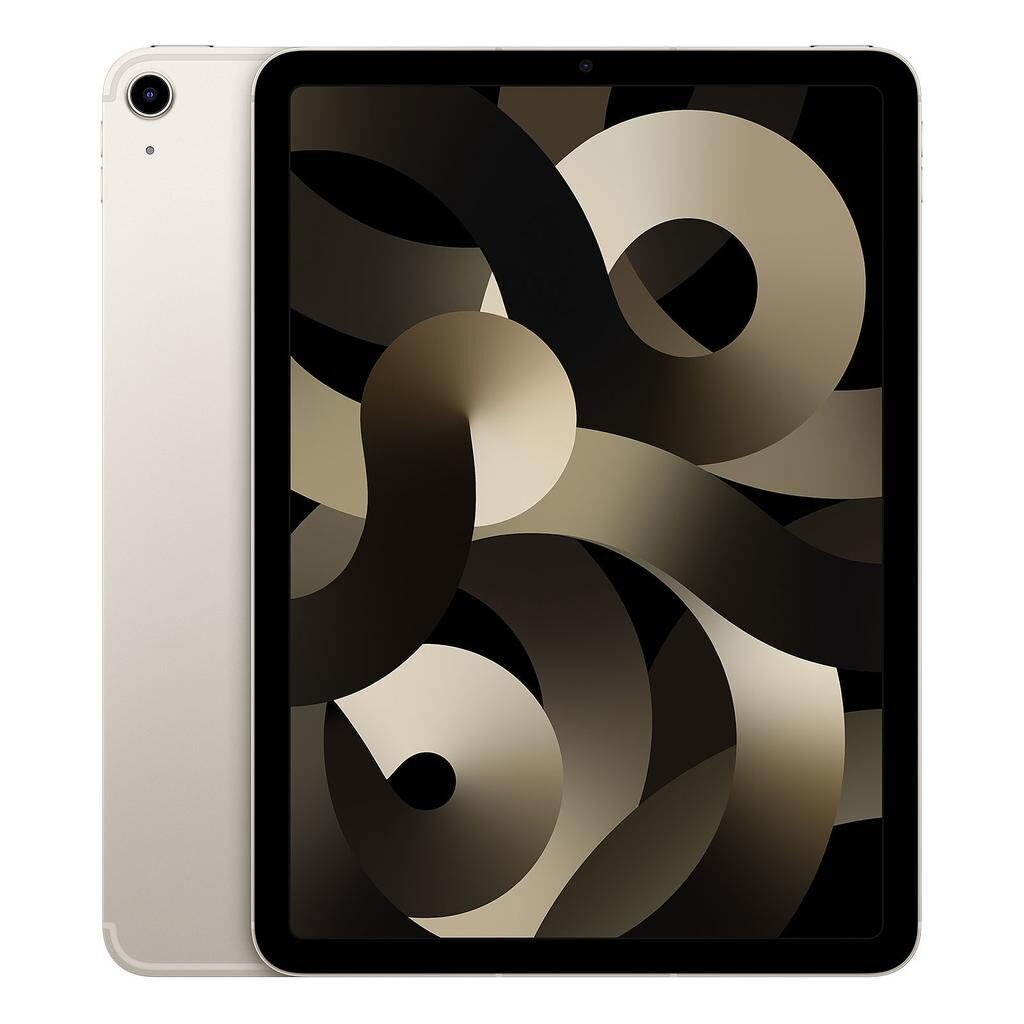
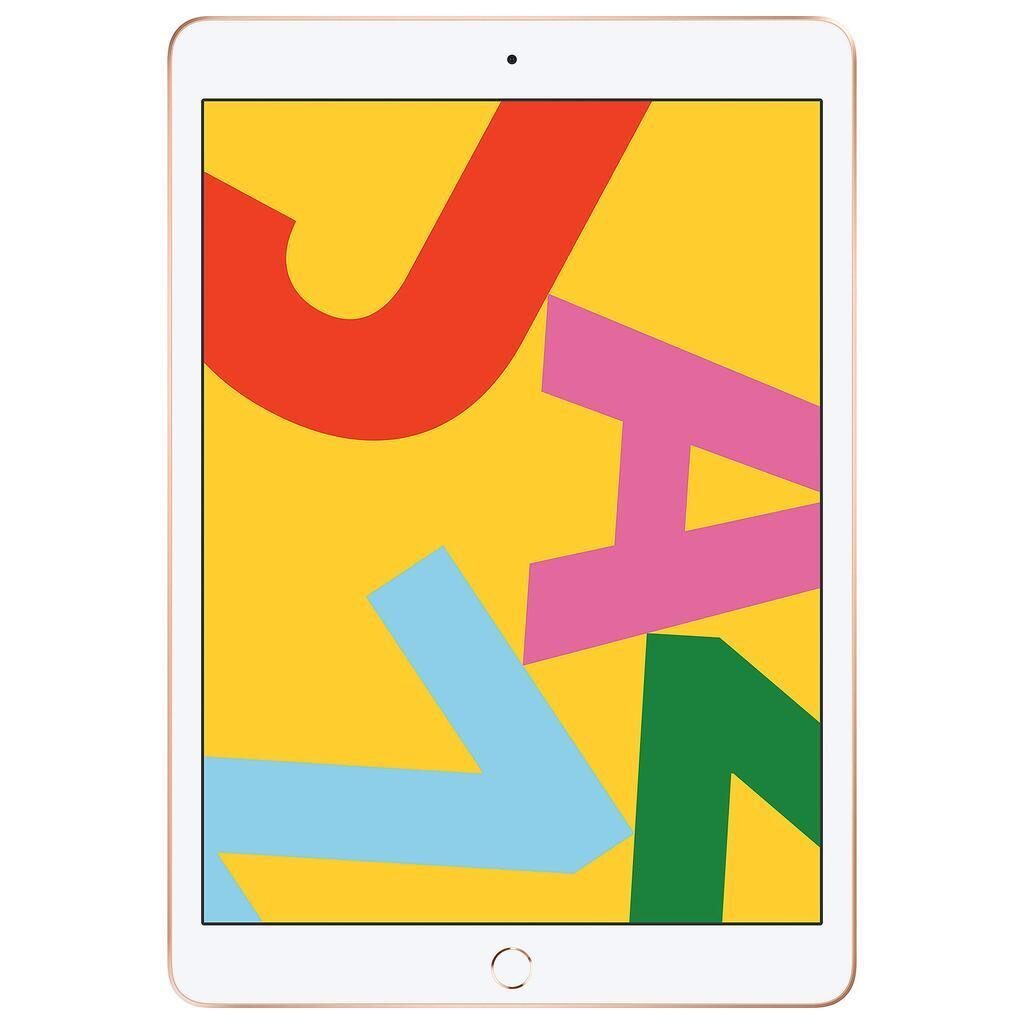
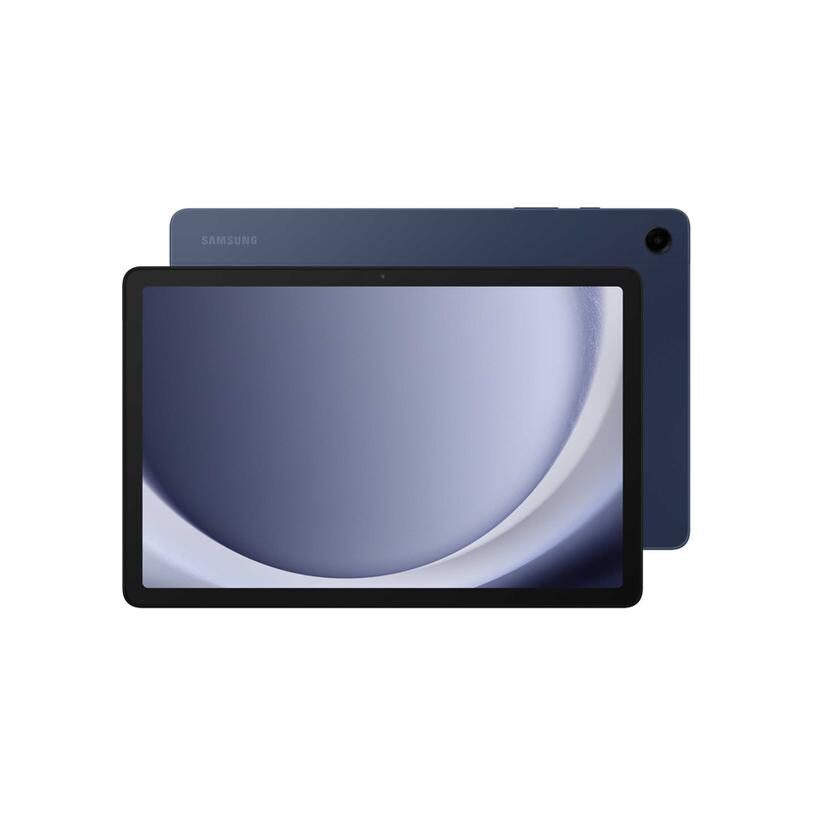
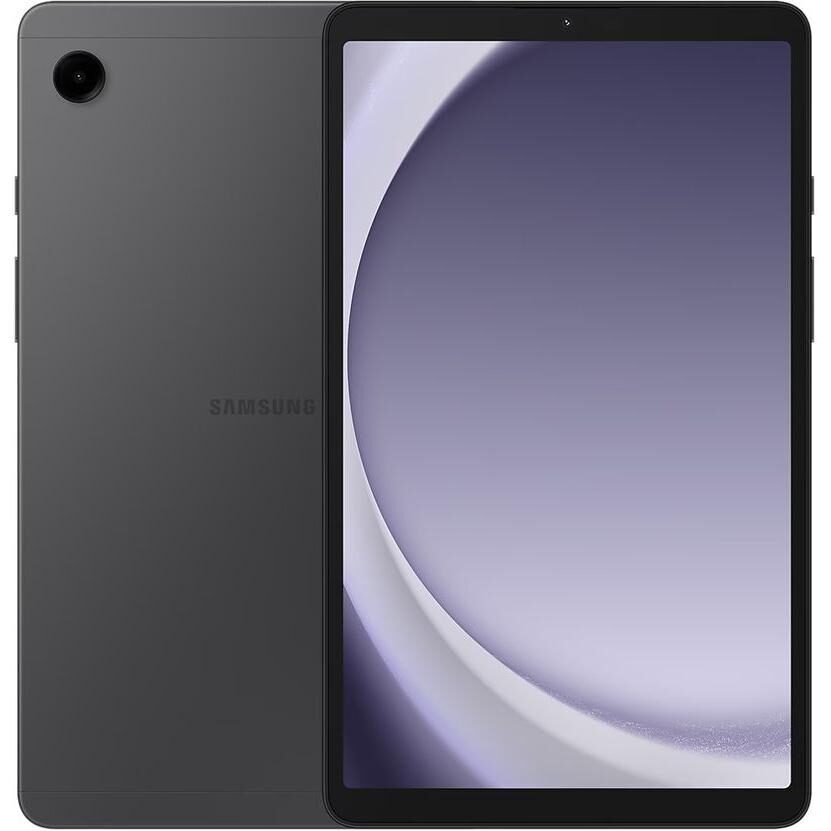
Galaxy Tab A (10.5", 2018) vs Galaxy Tab S9+ (12.4", 2023)
Shop Samsung Galaxy Tab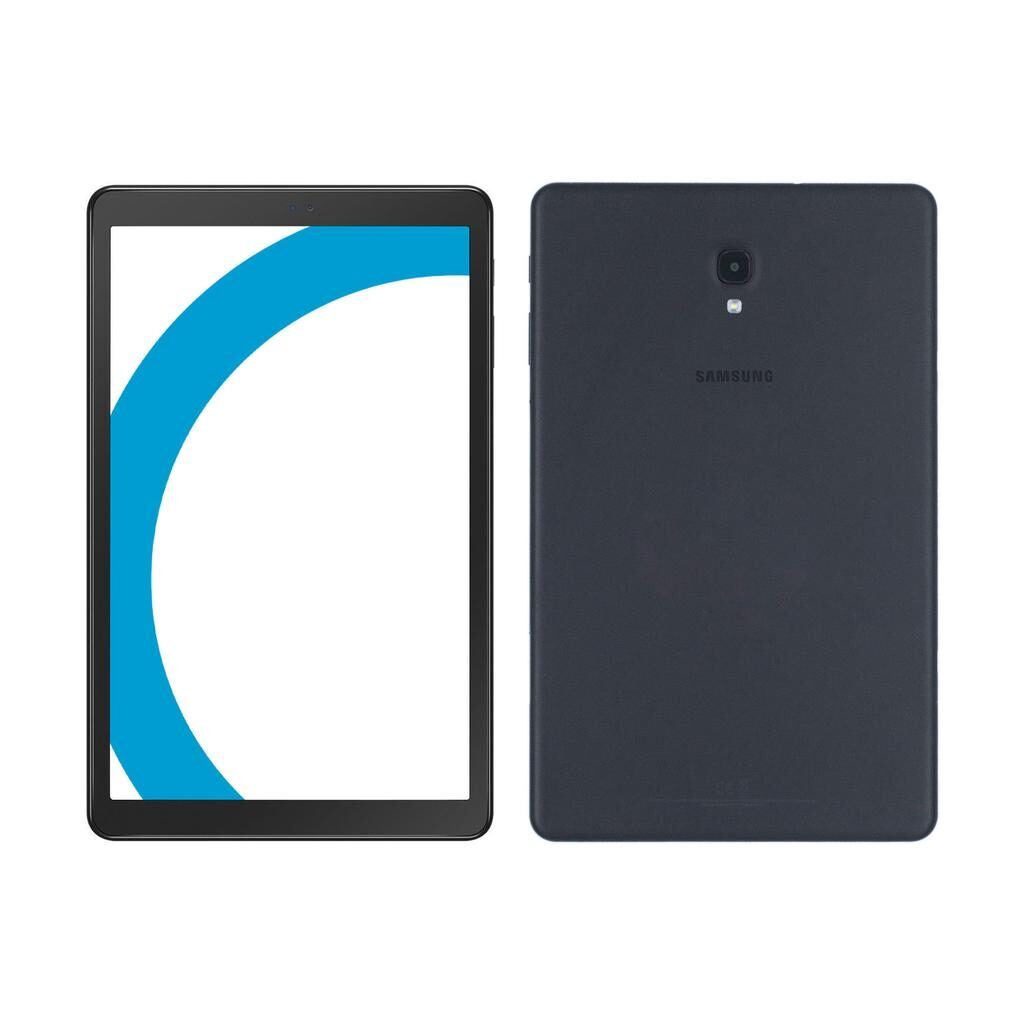
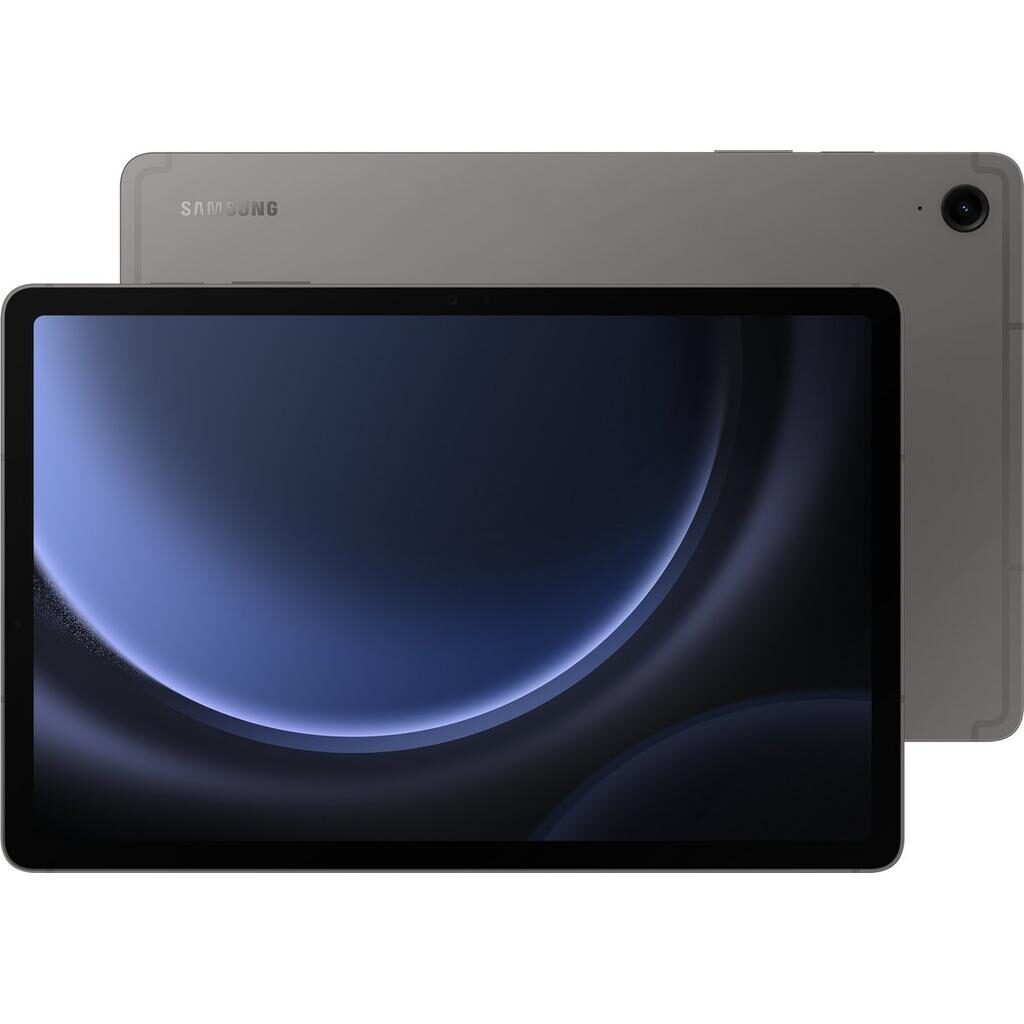
Galaxy Tab A (10.5", 2018)
Starting at
£66.60£339.00 new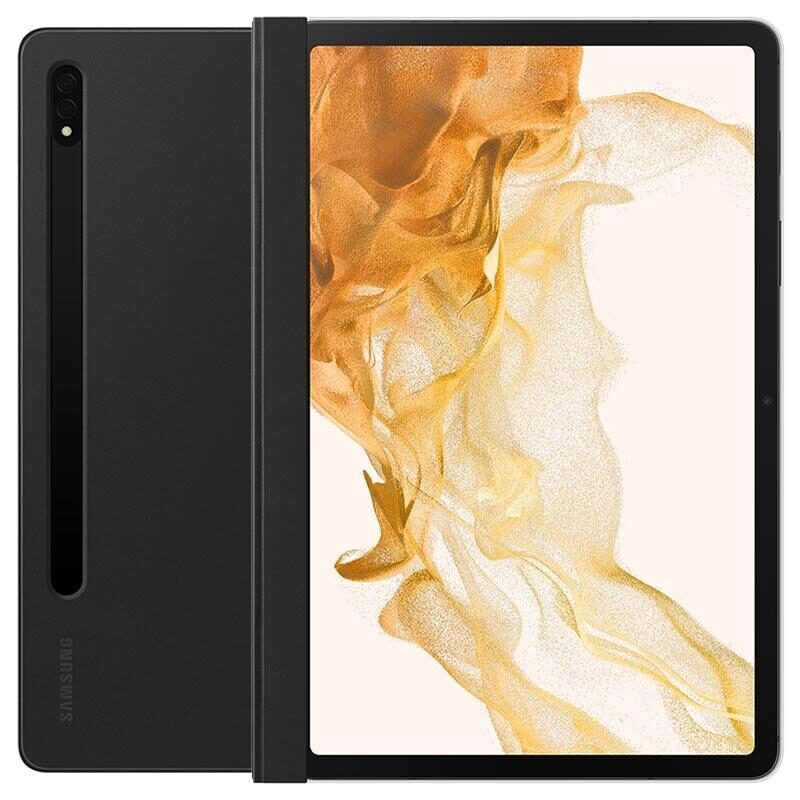
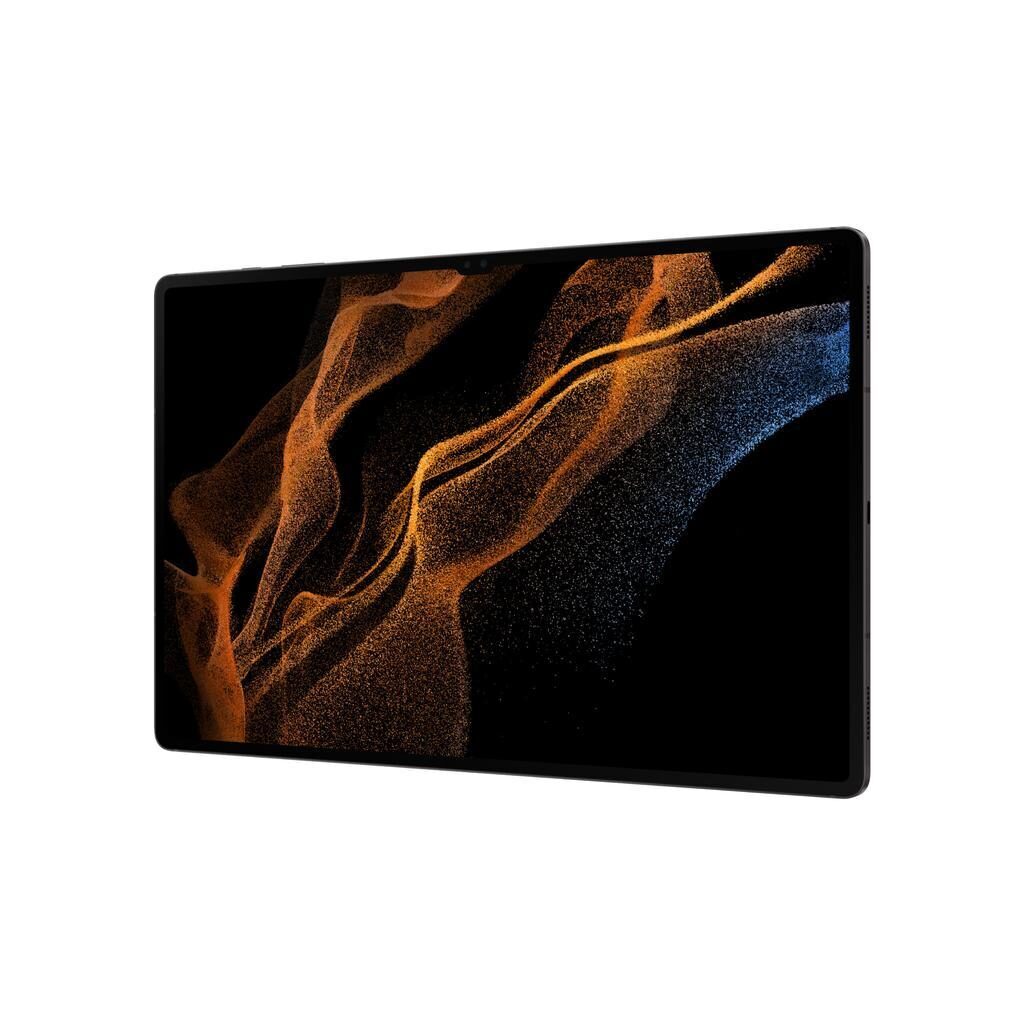
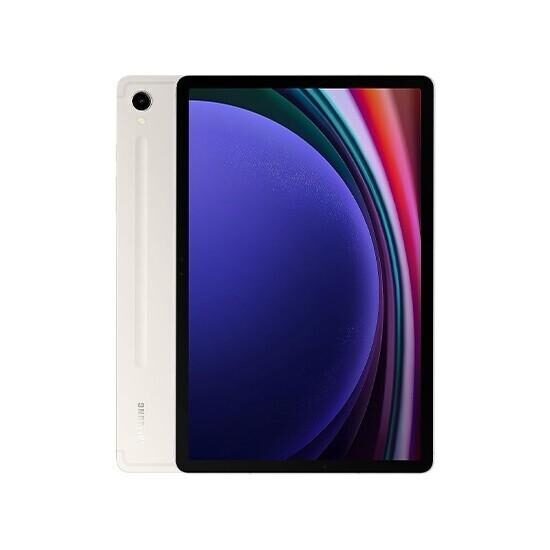
Galaxy Tab S9+ (12.4", 2023)
Starting at
£602.02£954.94 newWhat's the difference between the Galaxy Tab A (10.5", 2018) and Galaxy Tab S9+ (12.4", 2023)?
Galaxy Tab A (10.5", 2018) vs Galaxy Tab S9+ (12.4", 2023) comes down to the chipset, RAM and battery. Refurbished, the Galaxy Tab A (10.5", 2018) starts at £66.60, £535.42 less than the Galaxy Tab S9+ (12.4", 2023). The Galaxy Tab S9+ (12.4", 2023) is the newer model, released in 2023.
Refurbished from
Chipset
RAM
Battery
Screen size
Screen type
- Chipset: Qualcomm SDM450 Snapdragon 450 (14 nm) on the Galaxy Tab A (10.5", 2018), Qualcomm SM8550-AC Snapdragon 8 Gen 2 (4 nm) on the Galaxy Tab S9+ (12.4", 2023).
- The Galaxy Tab S9+ (12.4", 2023) has more RAM: 12 GB vs 3 GB.
- The Galaxy Tab S9+ (12.4", 2023) has a bigger battery: 10090 mAh vs 7300 mAh.
Galaxy Tab A (10.5", 2018) vs Galaxy Tab S9+ (12.4", 2023) specs
The Galaxy Tab A (10.5", 2018) and Galaxy Tab S9+ (12.4", 2023) serve different needs based on their screen size, performance, and features. The Galaxy Tab A is a good fit for everyday tasks with its simpler hardware and 32GB storage. It has a smaller screen and sufficient battery for daily use. The Galaxy Tab S9+ offers a larger, sharper screen with better cameras and more memory, suited for users who want more power, storage, and a stylus for note-taking or drawing. The S9+ does not have a SIM port, while the Tab A is unlocked for cellular use. Your choice depends on whether you want a straightforward tablet or one designed for more demanding work and multimedia.
Galaxy Tab A (10.5", 2018) vs Galaxy Tab S9+ (12.4", 2023) price
Colour
Galaxy Tab A (10.5", 2018) vs Galaxy Tab S9+ (12.4", 2023) battery life and software updates
Battery life and software support play a key role in how long these tablets stay useful. Each offers a different balance of power capacity and operating system version.
Battery Capacity
The Galaxy Tab A has a 7300 mAh battery, suitable for typical day-to-day use like browsing and video calls. The Galaxy Tab S9+ has a larger 10090 mAh battery, which supports longer sessions between charges, useful if you use your tablet for extended periods such as studying or streaming.
Operating System Support
The Galaxy Tab A runs Android 10, which covers basic app compatibility and security for many users. The Galaxy Tab S9+ runs Android 13, offering newer system features and support for recent apps.
Battery
Maximum operating system supported
Year of release
Galaxy Tab A (10.5", 2018) vs Galaxy Tab S9+ (12.4", 2023) performance
Performance affects how smoothly apps run and how many you can use at once. These tablets have different processing power and memory options.
Processor and Speed
The Galaxy Tab A uses a Qualcomm Snapdragon 450 chipset with an 8-core processor running at 1.8 GHz. This setup handles everyday apps and basic multitasking well. The Galaxy Tab S9+ uses a Snapdragon 8 Gen 2 chipset with 8 cores at 3.36 GHz, delivering stronger performance for demanding apps, multitasking, and faster response.
Memory and Storage
The Galaxy Tab A includes 3 GB of RAM and 32 GB of storage, enough for simple use like browsing, reading, and streaming. The Galaxy Tab S9+ offers 12 GB of RAM and either 256 GB or 512 GB of storage, ideal for users who keep many apps open simultaneously or store large files such as videos and documents.
Chipset
Processor
Processor brand
Processor core
Processor speed ghz
RAM
Galaxy Tab A (10.5", 2018) vs Galaxy Tab S9+ (12.4", 2023) screen
Screen size and quality affect how immersive and clear your viewing experience is. These tablets differ in size, resolution, and display technology.
Screen Size and Resolution
The Galaxy Tab A has a 10.5 inch screen with a resolution of 1200 by 1920 pixels. This size suits those who want a compact, portable tablet for casual use. The Galaxy Tab S9+ has a larger 12.4 inch screen with a higher 1752 by 2800 pixel resolution, offering more room for work, reading, and media with sharper detail.
Screen Type and Pixel Density
The Galaxy Tab A uses an IPS LCD screen with 216 pixels per inch, providing good clarity and colour for everyday tasks. The Galaxy Tab S9+ features a Dynamic AMOLED 2X display with 270 pixels per inch, delivering deeper colours and higher contrast, which benefits users who watch videos or edit images.
Pixel density
Refresh rate
Resolution
Screen size
Screen type
Galaxy Tab A (10.5", 2018) vs Galaxy Tab S9+ (12.4", 2023) camera
Camera and speaker quality influence how well you can take photos, make video calls, and enjoy media. Both tablets have similar speaker setups but differ in camera detail.
Camera Detail
The Galaxy Tab A has a 5 megapixel front camera and an 8 megapixel main camera, suitable for video calls and casual photography. The Galaxy Tab S9+ has a 12 megapixel front camera and a 13 megapixel main camera, capturing more detail and clearer images, which benefits video conferencing and photo quality.
Speakers and Webcam
Both tablets include stereo speakers with four speakers in total and support webcam use. This means they both handle audio and video calls with similar speaker setups, so your choice depends more on camera detail and other factors.
Front camera
Front camera definition
Main camera
Rear camera definition
Speakers
Video recording
Webcam
Galaxy Tab A (10.5", 2018) vs Galaxy Tab S9+ (12.4", 2023) size and design
Other features such as device size, weight, connectivity, and extras like stylus support affect convenience and usability for different types of users.
Size and Weight
The Galaxy Tab A measures 260 mm by 161.1 mm with a depth of 8 mm and weighs 500 g, making it easier to hold for long periods or carry around. The Galaxy Tab S9+ is larger at 285.4 mm by 185.4 mm, thinner at 5.7 mm, but heavier at 700 g, which suits users who prefer a bigger display and slimmer profile but do not mind extra weight.
Connectivity and SIM
The Galaxy Tab A is unlocked and supports cellular use via SIM cards, allowing mobile data connectivity. The Galaxy Tab S9+ does not have a SIM port, so it relies on WiFi connections only, which is important if you need internet access on the go without WiFi.
Stylus Support
The Galaxy Tab S9+ comes with stylus support, useful for note-taking, drawing, or precise input. The Galaxy Tab A does not include stylus support, making it better suited for users who do not need this feature.
Connector Type
Both tablets use USB Type-C connectors for charging and data transfer, which is a common and convenient standard.
120hz
Bluetooth version
Carrier compatibility
Connector
Depth
Double sim
Face
Headphones connectivity
Height
Megapixels
Sim format
Weight
Width
Wifi technology
With stylus pencil
Galaxy Tab A (10.5", 2018) or Galaxy Tab S9+ (12.4", 2023): which should you buy?
Buy the Galaxy Tab A (10.5", 2018) if
- you want to spend less: it starts at £66.60, £535.42 less than the Galaxy Tab S9+ (12.4", 2023)
- you want a lighter build (500 g vs 700 g)
Buy the Galaxy Tab S9+ (12.4", 2023) if
- you want more RAM (12 GB vs 3 GB)
- you want a bigger battery (10090 mAh vs 7300 mAh)
- you want a bigger screen (12.4 inch vs 10.5 inch)
What our customers say
Customers of the Galaxy Tab A praise its smooth app performance and reliable battery life, often highlighting how well it handles daily browsing, video calls, and media streaming. Many note the clean condition of their tablets, with minimal or barely noticeable scratches. Some users find the 32GB storage sufficient for their needs and appreciate the solid feel in hand. One customer mentioned occasional WiFi drops, but most report satisfaction with the device's responsiveness and screen clarity.
Users of the Galaxy Tab S9+ frequently mention the excellent condition of their tablets, with many saying their devices look nearly new. The larger, sharp screen and smooth performance for multitasking receive positive comments. The included stylus is valued for note-taking and drawing, with some users appreciating the long battery life during extended use. A few customers note the lack of SIM card support as a limitation, and some report minor cosmetic marks, but overall satisfaction is high, especially with the speed and display quality.
The Galaxy Tab A suits those wanting a straightforward tablet for everyday activities with cellular connectivity. The Galaxy Tab S9+ is better suited for users needing more power, storage, a larger and higher-quality screen, and stylus functionality for creative or productivity tasks.
Galaxy Tab A (10.5", 2018) vs Galaxy Tab S9+ (12.4", 2023) FAQs
Galaxy Tab A (10.5", 2018) vs Galaxy Tab S9+ (12.4", 2023) comes down to the chipset, RAM and battery. Chipset: Qualcomm SDM450 Snapdragon 450 (14 nm) on the Galaxy Tab A (10.5", 2018), Qualcomm SM8550-AC Snapdragon 8 Gen 2 (4 nm) on the Galaxy Tab S9+ (12.4", 2023). The Galaxy Tab S9+ (12.4", 2023) has more RAM: 12 GB vs 3 GB.
The Galaxy Tab A (10.5", 2018) is cheaper refurbished, from £66.60 compared with £602.02 for the Galaxy Tab S9+ (12.4", 2023).
The Galaxy Tab S9+ (12.4", 2023) has a bigger battery: 10090 mAh vs 7300 mAh.
The Galaxy Tab S9+ (12.4", 2023) has a higher-resolution main camera: 13 megapixels vs 8 megapixels.
The Galaxy Tab S9+ (12.4", 2023) adds more RAM (12 GB vs 3 GB), a bigger battery (10090 mAh vs 7300 mAh) and a bigger screen (12.4 inch vs 10.5 inch). Refurbished, it costs £535.42 more (from £602.02 vs £66.60).
Refurbished, the Galaxy Tab A (10.5", 2018) comes in 32GB, and the Galaxy Tab S9+ (12.4", 2023) in 256GB and 512GB.