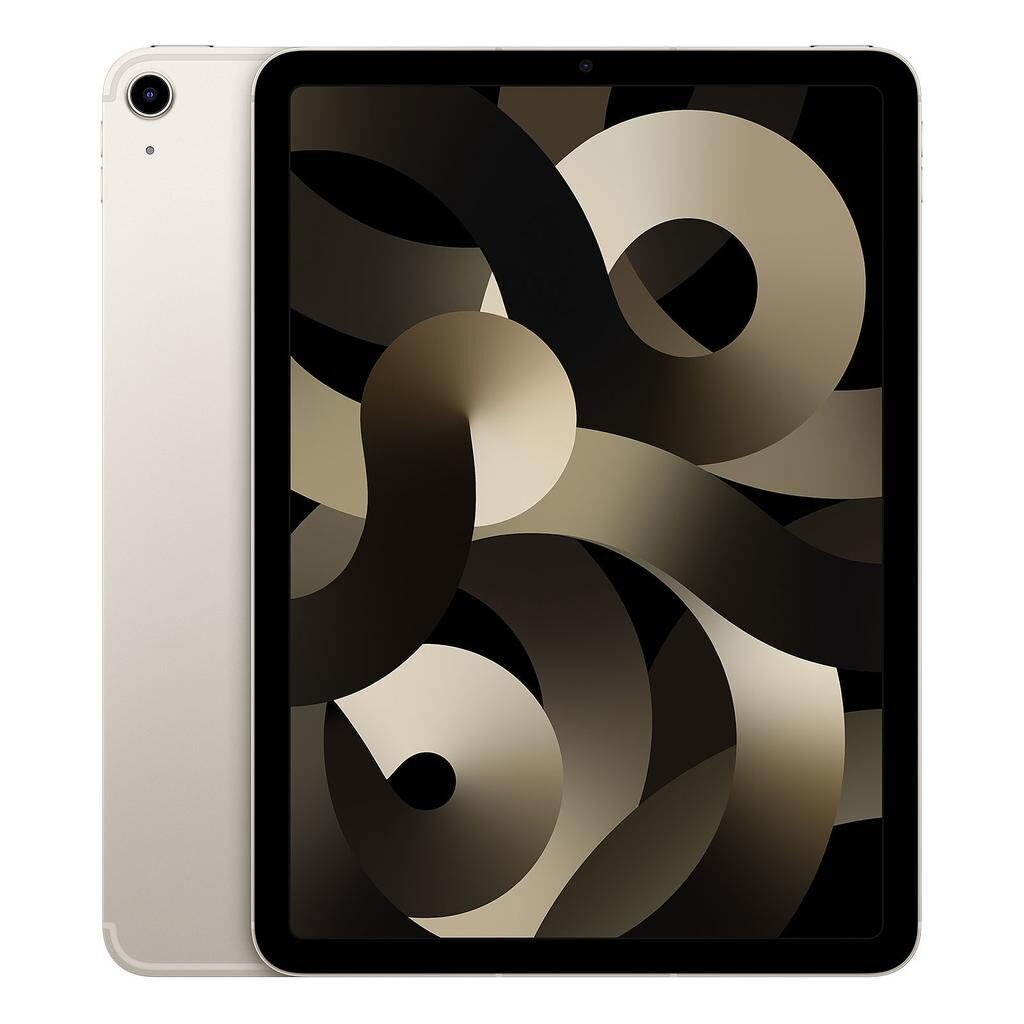
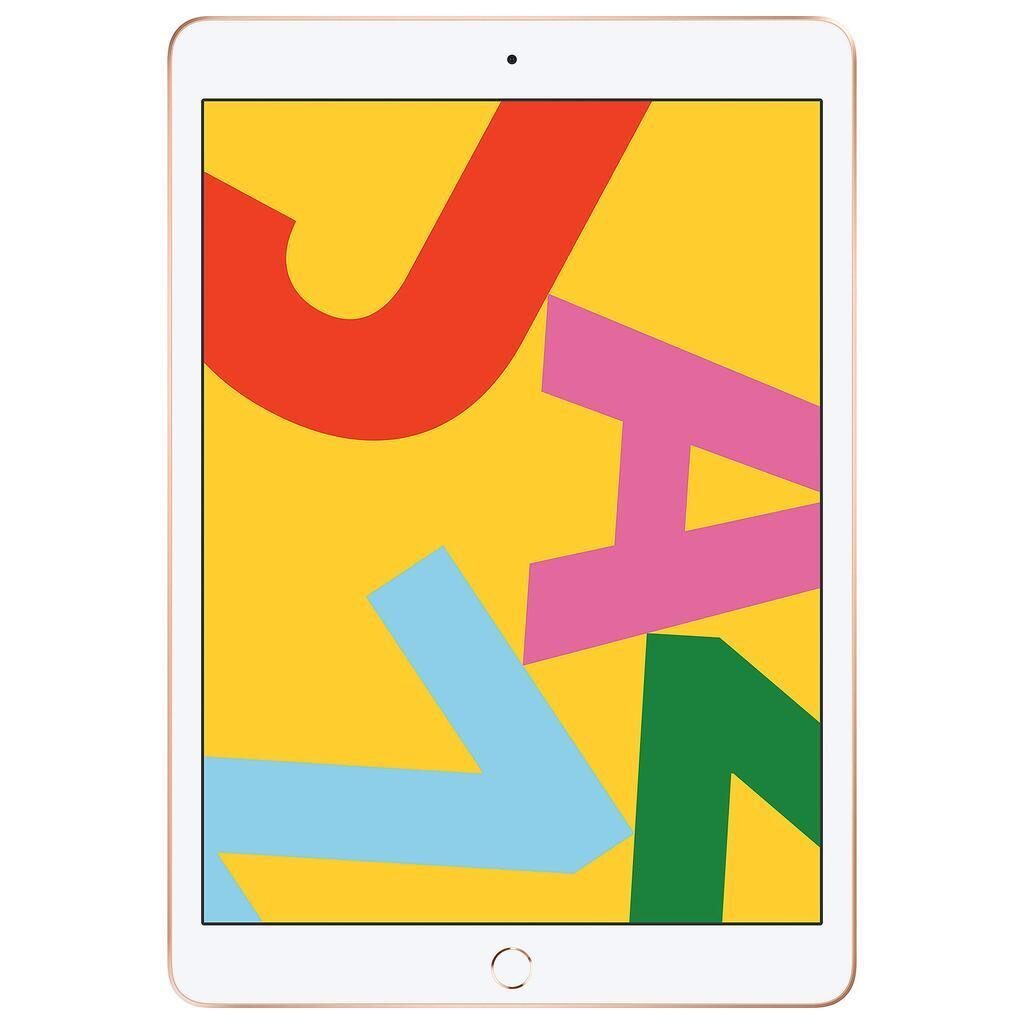
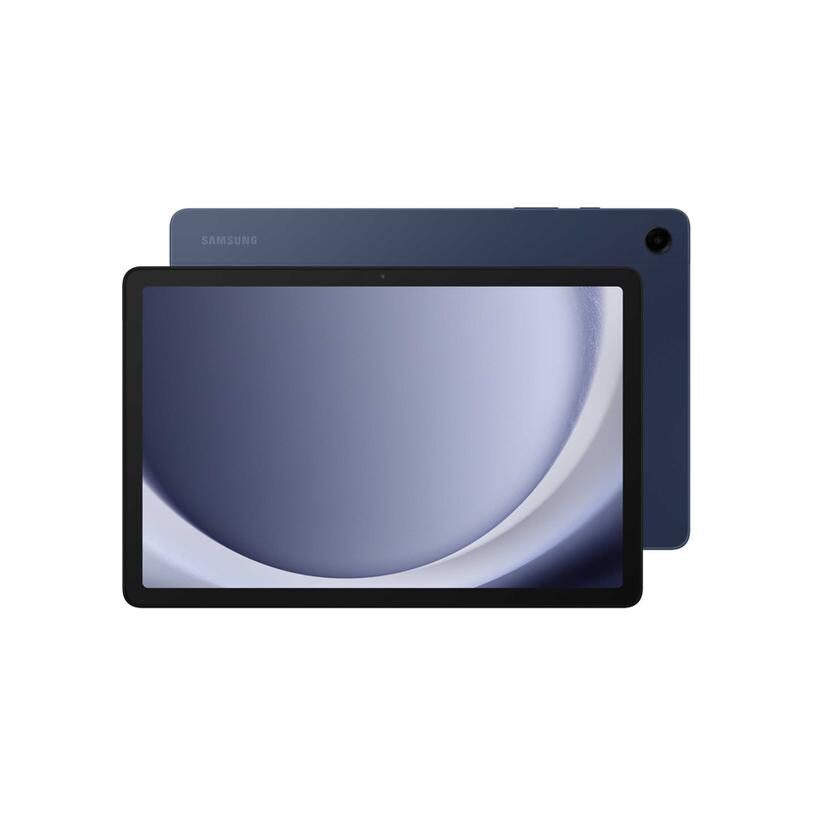
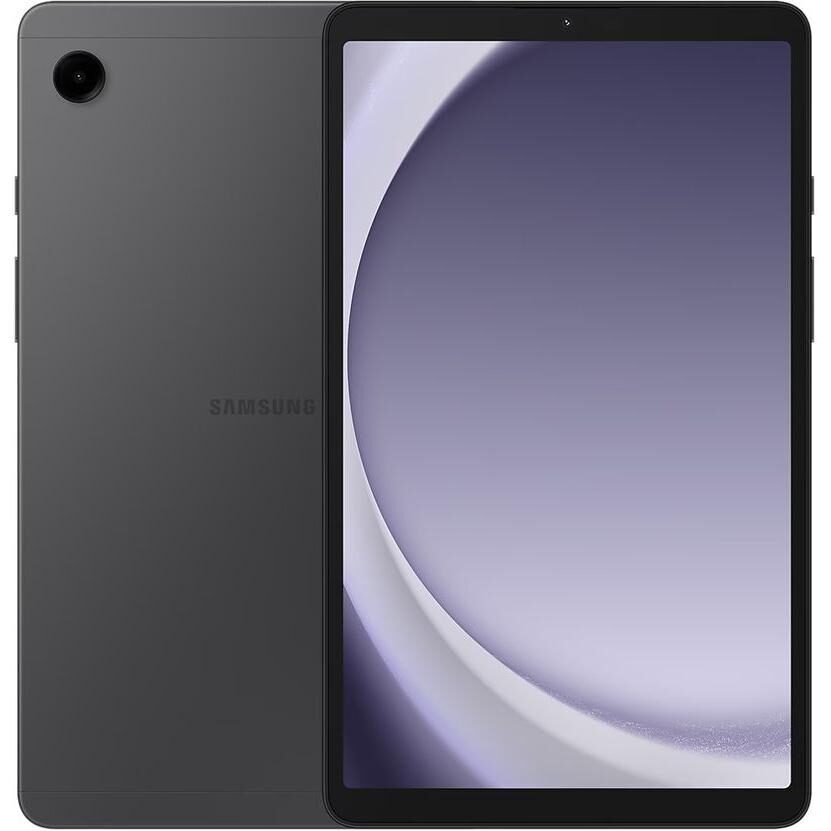
Galaxy Tab A (10.1", 2019) vs Galaxy Tab S8+ (12.4", 2022)
Shop Samsung Galaxy Tab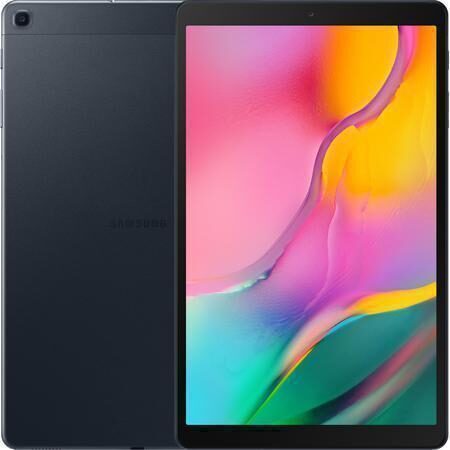
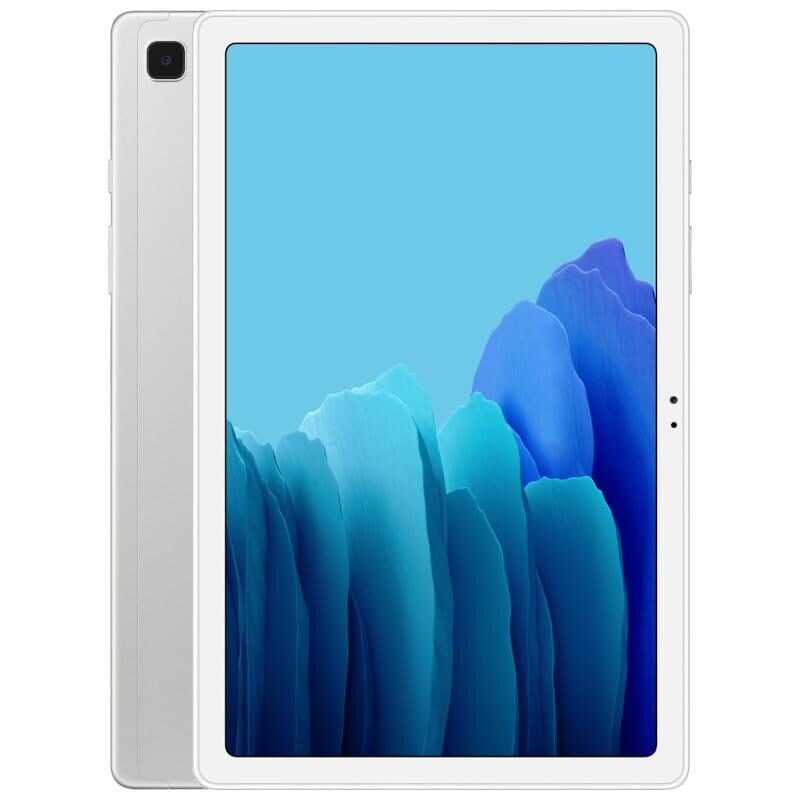
Galaxy Tab A (10.1", 2019)
Starting at
£67.50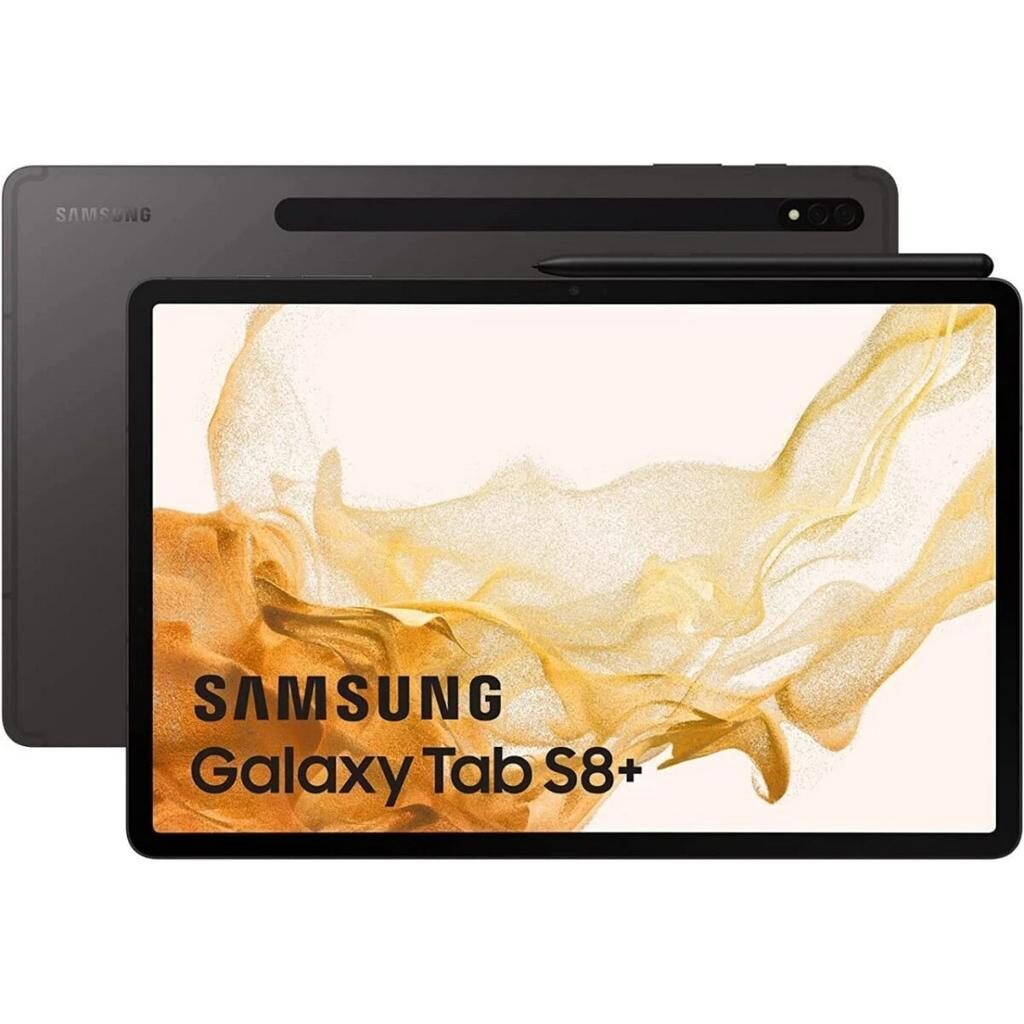
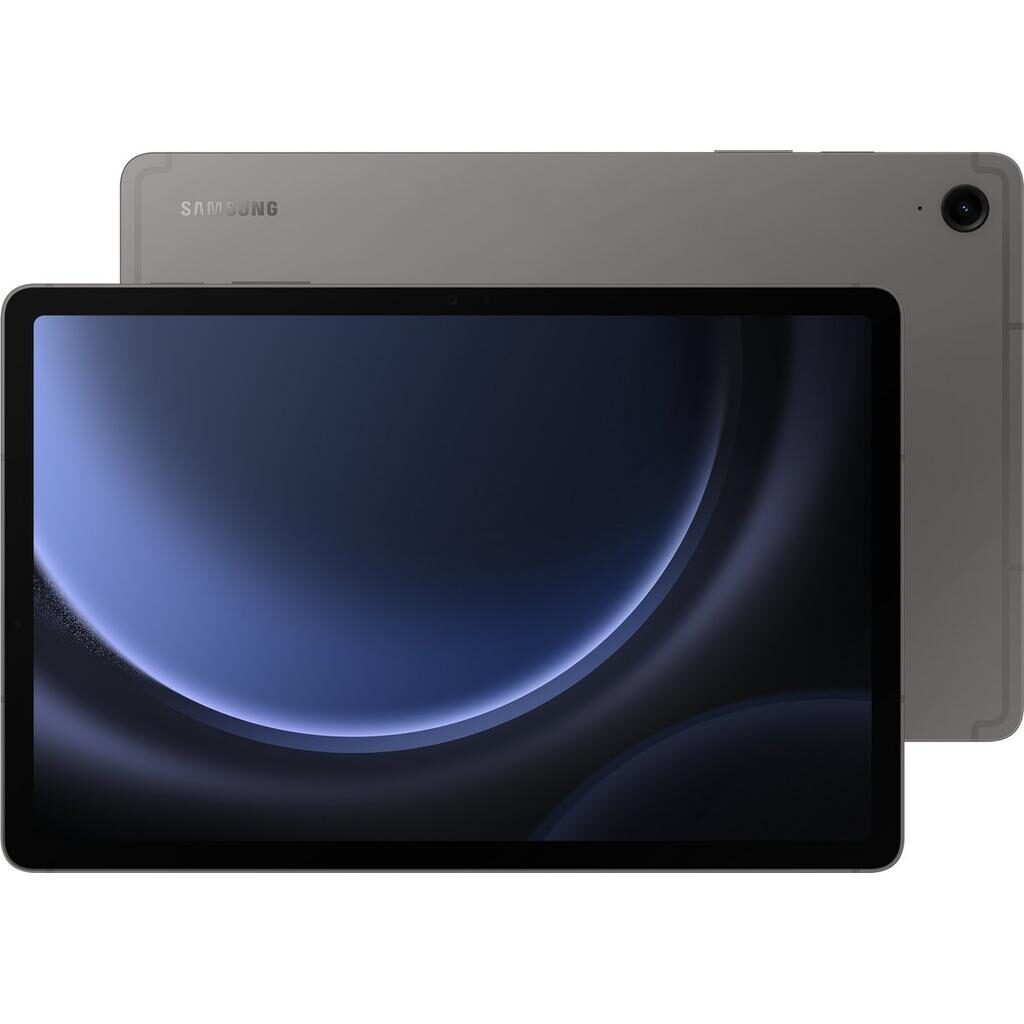
Galaxy Tab S8+ (12.4", 2022)
Starting at
£382.87£999.00 newWhat's the difference between the Galaxy Tab A (10.1", 2019) and Galaxy Tab S8+ (12.4", 2022)?
Galaxy Tab A (10.1", 2019) vs Galaxy Tab S8+ (12.4", 2022) comes down to the RAM, screen size and screen type. Refurbished, the Galaxy Tab A (10.1", 2019) starts at £67.50, £315.37 less than the Galaxy Tab S8+ (12.4", 2022). The Galaxy Tab S8+ (12.4", 2022) is the newer model, released in 2022.
Refurbished from
RAM
Screen size
Screen type
Weight
- The Galaxy Tab S8+ (12.4", 2022) has more RAM: 8 GB vs 2 GB.
- The Galaxy Tab S8+ (12.4", 2022) has a bigger screen: 12.4 inch vs 10.1 inch.
- The Galaxy Tab S8+ (12.4", 2022) has an OLED screen.
Galaxy Tab A (10.1", 2019) vs Galaxy Tab S8+ (12.4", 2022) specs
The Galaxy Tab A (10.1, 2019) and the Galaxy Tab S8+ (12.4, 2022) differ mainly in screen size, performance, and memory. The Galaxy Tab A suits everyday use with a smaller 10.1 inch screen and 2 GB RAM for basic apps. The Galaxy Tab S8+ offers a larger 12.4 inch Super AMOLED screen with higher resolution and 8 GB RAM, fitting for users who want a bigger display and smoother multitasking. The Tab S8+ also supports Android 12 and a 120Hz refresh rate, making it better for fluid visuals. Storage options differ too: the Tab A offers 16GB or 32GB, while the Tab S8+ provides 128GB or 256GB for more space. Weight varies, with the Tab S8+ being heavier due to its size and features.
Galaxy Tab A (10.1", 2019) vs Galaxy Tab S8+ (12.4", 2022) price
Colour
Galaxy Tab A (10.1", 2019) vs Galaxy Tab S8+ (12.4", 2022) battery life and software updates
Durability focuses on software support and release year. These aspects affect how long each tablet stays current with updates and security.
Operating System Support
The Galaxy Tab A runs Android 11, which suits users wanting a stable, familiar interface for everyday tasks. The Galaxy Tab S8+ supports Android 12, offering a slightly newer system with updated features and security improvements. This makes the Tab S8+ a good choice if you prefer the latest Android version available for these devices.
Year of Release
The Galaxy Tab A was released in 2019 and the Galaxy Tab S8+ in 2022.
Maximum operating system supported
Year of release
Galaxy Tab A (10.1", 2019) vs Galaxy Tab S8+ (12.4", 2022) performance
Performance covers the processor, RAM, and storage options. These determine how smoothly apps run, multitasking ability, and available space for files and apps.
Processor Power
The Galaxy Tab A uses the Exynos 7904 processor, suitable for basic everyday use such as browsing, emails, and light apps. The Galaxy Tab S8+ features the Qualcomm SM8450 Snapdragon 8 Gen 1, which delivers higher processing power for faster app launches and smoother handling of demanding tasks.
Memory Capacity
The Galaxy Tab A comes with 2 GB of RAM, enough for running standard apps comfortably. The Galaxy Tab S8+ offers 8 GB of RAM, which helps keep more apps open simultaneously and supports multitasking more easily.
Storage Options
Storage for the Galaxy Tab A is available in 16GB and 32GB capacities, fitting for users with lighter storage needs. The Galaxy Tab S8+ provides larger options of 128GB and 256GB, ideal if you store many apps, photos, or videos.
Processor
Processor brand
Processor core
Processor speed ghz
RAM
Galaxy Tab A (10.1", 2019) vs Galaxy Tab S8+ (12.4", 2022) screen
Screen quality affects how clear and comfortable the display is for reading, watching videos, and gaming. Differences in size, resolution, and technology shape the viewing experience.
Screen Size and Resolution
The Galaxy Tab A has a 10.1 inch screen with 1200 x 1920 resolution, which suits users wanting a compact display for everyday tasks. The Galaxy Tab S8+ features a larger 12.4 inch screen with a higher resolution of 1752 x 2800, providing more room for work or entertainment with greater detail.
Pixel Density and Screen Type
The Galaxy Tab A has a pixel density of 230 ppp on a TFT LCD screen, delivering clear images for standard use. The Galaxy Tab S8+ offers a higher pixel density of 270 ppp with a Super AMOLED screen, which provides richer colours and deeper contrast, making it better for viewing photos and videos.
Pixel density
Resolution
Screen size
Screen type
Galaxy Tab A (10.1", 2019) vs Galaxy Tab S8+ (12.4", 2022) camera
Audiovisual features include speakers and webcams, influencing media and video call quality.
Speakers
The Galaxy Tab A includes stereo speakers suitable for everyday audio needs. The Galaxy Tab S8+ also has stereo speakers with four speakers in total, which can deliver a fuller and more immersive sound experience.
Webcam
Both tablets have webcams, supporting video calls and selfies. This makes either a practical choice for staying connected online.
Speakers
Webcam
Galaxy Tab A (10.1", 2019) vs Galaxy Tab S8+ (12.4", 2022) size and design
Other features include refresh rate, SIM compatibility, and weight, all affecting daily use and portability.
Refresh Rate
The Galaxy Tab S8+ supports a 120Hz refresh rate, which makes animations and scrolling appear smoother, enhancing gaming and browsing experiences. The Galaxy Tab A does not have this feature, suiting users who do not prioritise high frame rates.
SIM Compatibility and SIM Slots
Neither tablet includes a SIM port or supports double SIM cards, so both rely on Wi-Fi for internet connectivity.
Weight
The Galaxy Tab A weighs 469 g, making it lighter and easier to hold for long periods. The Galaxy Tab S8+ weighs 567 g, reflecting its larger screen and additional features, which may suit users comfortable with a bit more weight for extra functionality.
120hz
Carrier compatibility
Connector
Double sim
Megapixels
Weight
Galaxy Tab A (10.1", 2019) or Galaxy Tab S8+ (12.4", 2022): which should you buy?
Buy the Galaxy Tab A (10.1", 2019) if
- you want to spend less: it starts at £67.50, £315.37 less than the Galaxy Tab S8+ (12.4", 2022)
- you want a lighter build (469 g vs 567 g)
Buy the Galaxy Tab S8+ (12.4", 2022) if
- you want more RAM (8 GB vs 2 GB)
- you want a bigger screen (12.4 inch vs 10.1 inch)
- you want an OLED screen
What our customers say
Customers praising the Galaxy Tab A often highlight its good condition and ease of use. Many appreciate it as a reliable, straightforward tablet for everyday tasks, noting smooth app performance and a neat black finish. Some users mention the screen brightness can be tricky outdoors, but overall it performs well for basic needs. The tablet is also popular among older users who find it simple to set up and operate.
Reviews for the Galaxy Tab S8+ focus on its smooth speed and bright, clear screen. Users enjoy the larger display and the tablet's ability to run apps without lag. Some mention excellent condition and value for a refurbished device. A few note minor cosmetic differences or battery life concerns, but most find it suits their browsing, streaming, and creative uses. The included pen is appreciated by those who use it.
Overall, the Galaxy Tab A is well-suited for users wanting a lighter, smaller tablet for everyday tasks, while the Galaxy Tab S8+ fits those who prefer a larger screen, more power, and smoother visuals for multitasking and media.
Galaxy Tab A (10.1", 2019) vs Galaxy Tab S8+ (12.4", 2022) FAQs
Galaxy Tab A (10.1", 2019) vs Galaxy Tab S8+ (12.4", 2022) comes down to the RAM, screen size and screen type. The Galaxy Tab S8+ (12.4", 2022) has more RAM: 8 GB vs 2 GB. The Galaxy Tab S8+ (12.4", 2022) has a bigger screen: 12.4 inch vs 10.1 inch.
The Galaxy Tab A (10.1", 2019) is cheaper refurbished, from £67.50 compared with £382.87 for the Galaxy Tab S8+ (12.4", 2022).
The Galaxy Tab S8+ (12.4", 2022) adds more RAM (8 GB vs 2 GB), a bigger screen (12.4 inch vs 10.1 inch) and an OLED screen. Refurbished, it costs £315.37 more (from £382.87 vs £67.50).
Refurbished, the Galaxy Tab A (10.1", 2019) comes in 16GB and 32GB, and the Galaxy Tab S8+ (12.4", 2022) in 128GB and 256GB.