Galaxy S7 vs iPhone XS
Shop Samsung Galaxy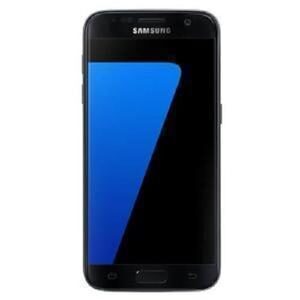
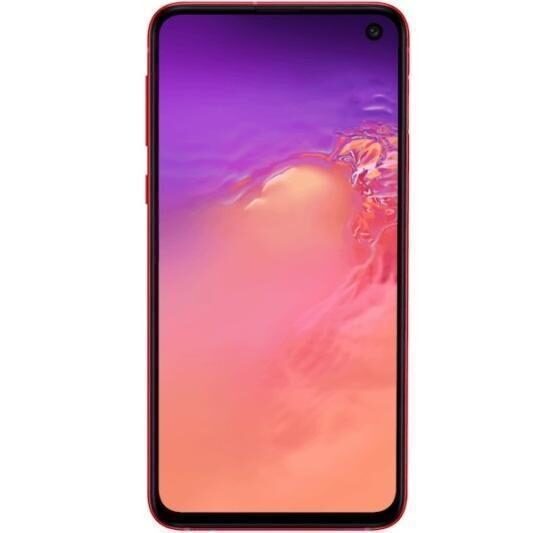
Galaxy S7
Starting at
£78.66£489.00 new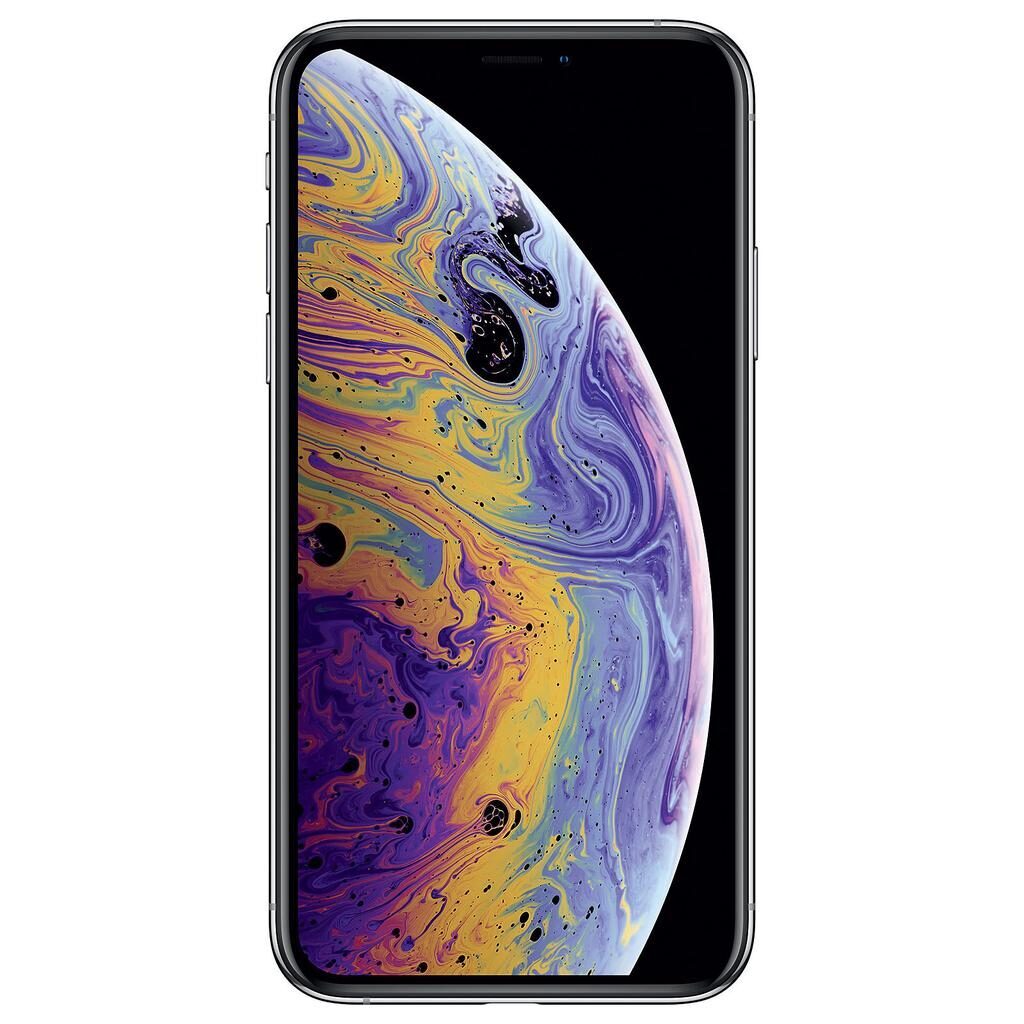
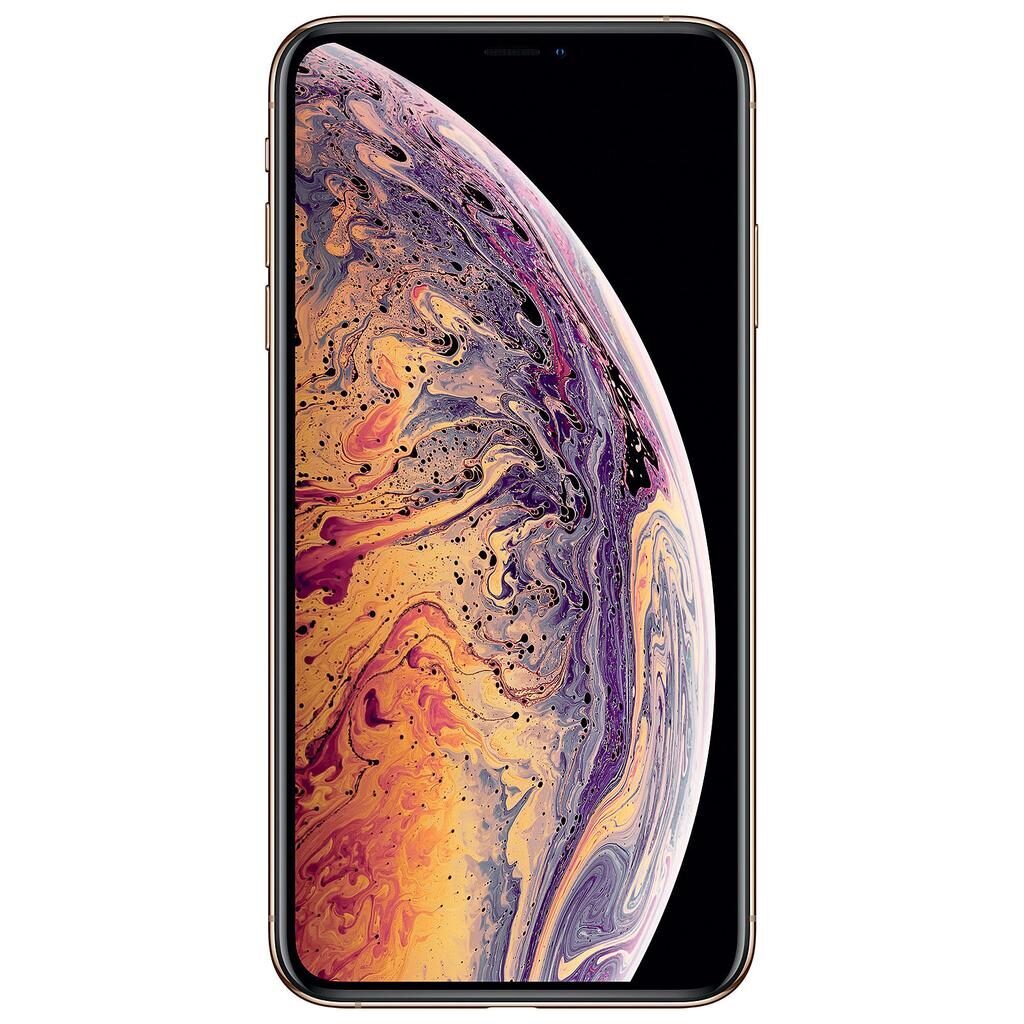
iPhone XS
Starting at
£138.35£559.00 newWhat's the difference between the Galaxy S7 and iPhone XS?
Galaxy S7 vs iPhone XS comes down to the chipset, battery and screen size. Refurbished, the Galaxy S7 starts at £78.66, £59.69 less than the iPhone XS. The iPhone XS is the newer model, released in 2018.
Refurbished from
Chipset
Battery
Screen size
Screen type
Front camera
- Chipset: Snapdragon 820 MSM8996 (14 nm), Exynos 8 Octa 8890 on the Galaxy S7, Apple A12 Bionic on the iPhone XS.
- The Galaxy S7 has a bigger battery: 3000 mAh vs 2658 mAh.
- The iPhone XS has a bigger screen: 5.8 inch vs 5.1 inch.
Galaxy S7 vs iPhone XS specs
The Galaxy S7 and iPhone XS differ in several key areas that suit different users. The Galaxy S7 runs Android and offers a microSDXC card slot and dual physical SIMs, which is useful if you want extra storage or two separate numbers. The iPhone XS has a larger screen and a higher resolution front camera, suited for users who value display size and selfie quality. Storage options for the iPhone XS are larger, accommodating more apps and media. Both phones have 4G and are unlocked, but the iPhone XS is heavier and slightly larger. Your choice depends on whether you prioritise expandable storage and SIM flexibility or a newer OS and a bigger screen.
Galaxy S7 vs iPhone XS price
Colour
Galaxy S7 vs iPhone XS battery life and software updates
Durability covers software updates, operating systems, and device compatibility. These factors affect how long the phone stays current and how it behaves day to day.
Operating System
The Galaxy S7 runs Android, offering a wide range of customisation and apps from the Google Play Store. The iPhone XS uses iOS, known for its smooth integration with other Apple devices and a curated app environment. Your choice depends on your preference for Android or iOS ecosystems.
Battery
Foldable
Ip rating
Software updates
Wireless charging
Year of release
Galaxy S7 vs iPhone XS performance
Performance mainly depends on the chipset, RAM, and storage options. These influence speed, multitasking, and how much data you can keep on the device.
Chipset and RAM
The Galaxy S7 has either the Snapdragon 820 MSM8996 or Exynos 8 Octa 8890 chipset with 4 GB RAM. The iPhone XS uses the Apple A12 Bionic chipset with the same 4 GB RAM. Both phones can handle everyday apps smoothly, but the difference in chipsets suits buyers who want a specific platform performance: Qualcomm or Apple silicon.
Storage Capacity
The Galaxy S7 is stocked with 32 GB storage, which is suitable for everyday use with moderate app and media needs. The iPhone XS offers larger storage options at 64 GB and 256 GB, providing more space for apps, photos, and videos. This suits users who want to keep plenty of content directly on their phone.
Chipset
RAM
Galaxy S7 vs iPhone XS screen
Screen quality affects how you view photos, videos, and apps. Differences in size, resolution, and display technology influence your experience of clarity and space.
Screen Size
The Galaxy S7 has a 5.1 inch screen, which fits well in one hand and is compact for everyday use. The iPhone XS has a larger 5.8 inch screen, offering more room for watching videos or browsing. Users who prefer a bigger display for media or multitasking may find the iPhone XS more comfortable.
Resolution and Display Type
The Galaxy S7 features a 1440 x 2560 resolution Super AMOLED screen, delivering sharp and vibrant images. The iPhone XS has a 1125 x 2436 resolution Super Retina OLED screen, which also provides rich colours and deep blacks. Both screens offer quality displays, but the Galaxy S7's higher pixel count suits those wanting very fine detail.
Resolution
Screen size
Screen type
Galaxy S7 vs iPhone XS camera
Audiovisual features cover the cameras for photos and video calls. Differences in megapixels affect image detail, especially for selfies.
Front Camera
The Galaxy S7 has a 5 megapixel front camera, suitable for clear video calls and selfies. The iPhone XS's 7 megapixel front camera captures more detail, which benefits users who prioritise selfie quality or video chat clarity.
Main Camera
Both phones have a 12 megapixel main camera, providing similar resolution for everyday photography. This makes either suitable for users who want good photo quality without focusing on megapixel differences.
Camera type
Front camera
Main camera
Galaxy S7 vs iPhone XS size and design
Miscellaneous features include physical dimensions, SIM and storage options, network compatibility, and weight. These affect how the phone fits in your hand, supports your mobile needs, and handles storage flexibility.
SIM and Storage Expansion
The Galaxy S7 supports dual physical SIM cards and has a microSDXC slot for extra storage. This suits users needing two phone numbers or who want to expand storage easily. The iPhone XS uses one physical SIM and an eSIM, which suits those who prefer digital SIM management but do not have expandable storage.
Size and Weight
The Galaxy S7 measures 142.4 mm by 69.6 mm and weighs 152 g, making it compact and light. The iPhone XS is slightly taller at 143.6 mm and wider at 70.9 mm, weighing 177 g. This suits buyers who want a larger, heavier phone or a smaller, lighter one.
Network and Carrier
Both phones support 4G and are unlocked, so you can use them with any compatible UK network. This offers flexibility in choosing or changing your mobile provider.
Carrier compatibility
Connector
Depth
Height
Mobile network
Release date
SD card slot
SIM card
Weight
Width
Galaxy S7 or iPhone XS: which should you buy?
Buy the Galaxy S7 if
- you want to spend less: it starts at £78.66, £59.69 less than the iPhone XS
- you want a bigger battery (3000 mAh vs 2658 mAh)
- you want a lighter build (152 g vs 177 g)
Buy the iPhone XS if
- you want a bigger screen (5.8 inch vs 5.1 inch)
- you want a higher-resolution front camera (7 megapixels vs 5 megapixels)
What our customers say
Customers say the Galaxy S7 is a good-quality phone with a fair price. Many find it suitable for everyday use or as a gift, appreciating its condition and features. However, battery life is often mentioned as a concern, with some users noting it needs frequent charging or battery replacement. Some report minor issues like unresponsive buttons or differences in expected colour. Setup can be a bit tricky for some buyers, especially if apps or manuals differ from previous models.
For the iPhone XS, customers frequently highlight its like-new condition and smooth performance. Many are pleased with the battery life lasting through the day and the phone's appearance, including screen quality and smooth operation. Storage options and speed suit users with higher app and photo needs. Some customers mention minor marks or faults, especially on phones bought in good rather than premium condition. Camera quality and ease of use also receive positive comments.
Overall, the Galaxy S7 suits buyers looking for a compact Android phone with flexible SIM and storage options and who are comfortable managing battery care. The iPhone XS appeals to those who want a larger screen, iOS with current updates, and generous storage for apps and media.
Galaxy S7 vs iPhone XS FAQs
Galaxy S7 vs iPhone XS comes down to the chipset, battery and screen size. Chipset: Snapdragon 820 MSM8996 (14 nm), Exynos 8 Octa 8890 on the Galaxy S7, Apple A12 Bionic on the iPhone XS. The Galaxy S7 has a bigger battery: 3000 mAh vs 2658 mAh.
The Galaxy S7 is cheaper refurbished, from £78.66 compared with £138.35 for the iPhone XS.
The Galaxy S7 has a bigger battery: 3000 mAh vs 2658 mAh.
Both have the same main camera: 12 megapixels.
Updates for the Galaxy S7 ended in Jun 2019. Updates for the iPhone XS ended in Apr 2026. Its last version is iOS 18.
Refurbished, the Galaxy S7 comes in 32GB, and the iPhone XS in 64GB and 256GB.