Galaxy S7 edge vs Galaxy S8+
Shop Samsung Galaxy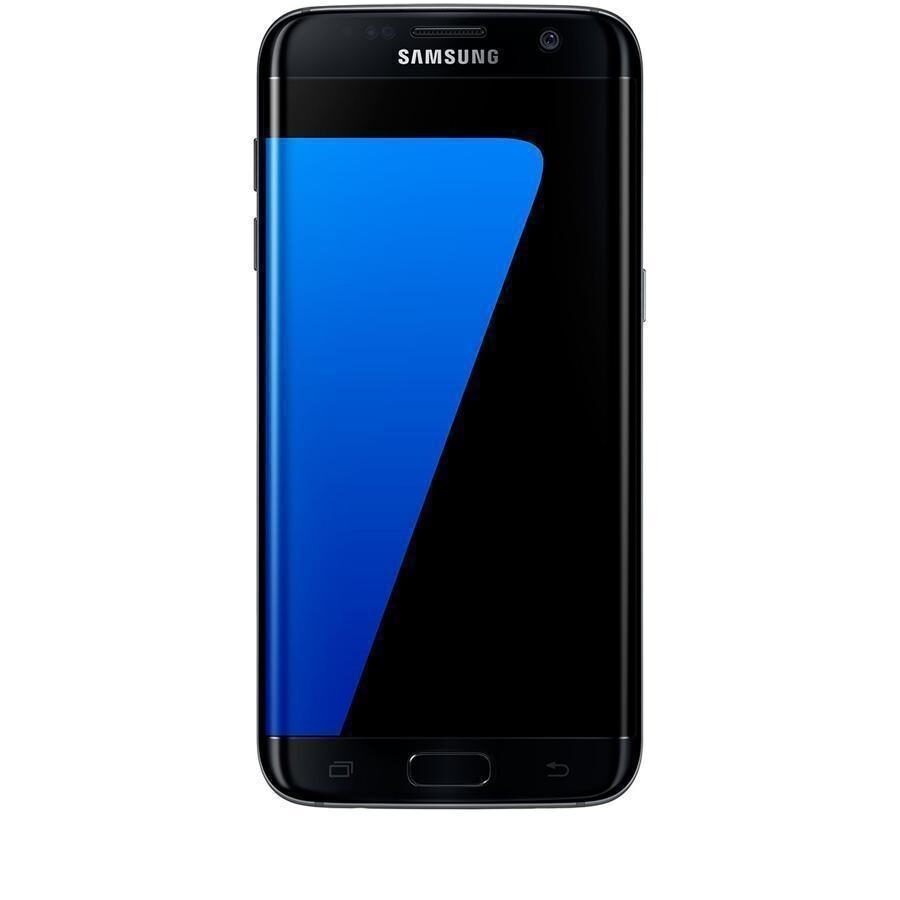
Galaxy S7 edge
Starting at
£161.35£619.00 new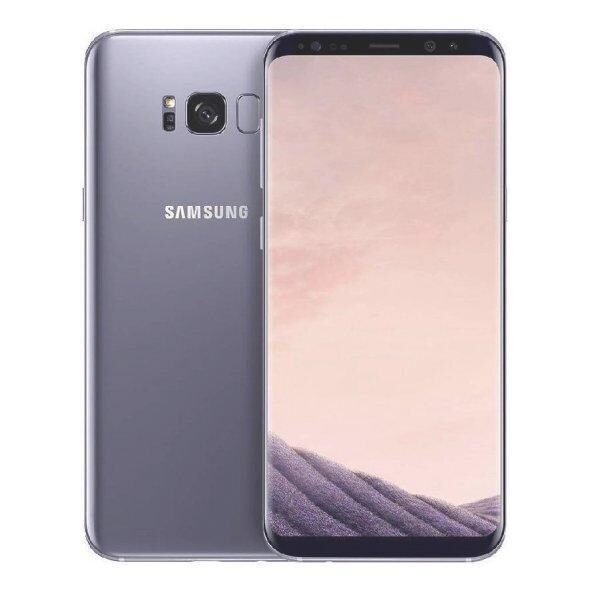
Galaxy S8+
Starting at
£99.25£305.00 newWhat's the difference between the Galaxy S7 edge and Galaxy S8+?
Galaxy S7 edge vs S8+ comes down to the battery, screen size and front camera. Refurbished, the Galaxy S8+ starts at £99.25, £62.10 less than the Galaxy S7 edge. The Galaxy S8+ is the newer model, released in 2017.
Refurbished from
Battery
Screen size
Front camera
Software updates
Weight
- The Galaxy S7 edge has a bigger battery: 3600 mAh vs 3500 mAh.
- The Galaxy S8+ has a bigger screen: 6.2 inch vs 5.5 inch.
- The Galaxy S8+ has a higher-resolution front camera: 8 megapixels vs 5 megapixels.
Galaxy S7 edge vs Galaxy S8+ specs
The Galaxy S7 edge and Galaxy S8+ offer different experiences that suit different needs. The Galaxy S7 edge has a smaller 5.5 inch screen with a resolution of 1440 x 2560, while the Galaxy S8+ features a larger 6.2 inch screen with a taller resolution of 1440 x 2960, making it better for viewing videos or multitasking. Both phones have 4 GB of RAM, but the S8+ comes with 64GB of storage compared to 32GB on the S7 edge, which suits users who need more space for apps and media. The Galaxy S8+ has an 8 megapixel front camera for sharper selfies, while the S7 edge has a 5 megapixel front camera. The Galaxy S7 edge uses a microUSB connector, while the Galaxy S8+ uses USB-C, which is more common on recent devices. Both are unlocked and support 4G networks, with expandable storage via microSDXC cards. Your choice depends on whether you prefer a larger screen and more storage or a smaller phone with simpler connectors.
Galaxy S7 edge vs Galaxy S8+ price
Colour
Galaxy S7 edge vs Galaxy S8+ battery life and software updates
Durability covers software compatibility and physical design details. This affects who can run the newest apps and features.
Software Compatibility
This means both devices run older versions of Android, which can affect access to new features and some apps.
Physical Size
The Galaxy S7 edge is smaller in height and width, measuring 150.9 mm tall and 72.6 mm wide, making it easier to use one-handed or fit in smaller pockets. The Galaxy S8+ is taller at 159.5 mm and a little wider at 73.4 mm, which suits users who want a larger display but can manage a bigger phone.
Battery
Foldable
Ip rating
Software updates
Wireless charging
Year of release
Galaxy S7 edge vs Galaxy S8+ performance
RAM
Galaxy S7 edge vs Galaxy S8+ screen
Screen quality affects how much you see and how sharp images look. Both phones use Super AMOLED screens, but the Galaxy S8+ has a larger and higher resolution display, which suits different viewing preferences.
Screen Size
The Galaxy S7 edge has a 5.5 inch screen, offering a more compact experience that fits well in one hand. The Galaxy S8+ features a 6.2 inch screen, giving you more space for watching videos, browsing, or multitasking with apps.
Screen Resolution
The Galaxy S7 edge displays images at 1440 by 2560 pixels, while the Galaxy S8+ has a taller resolution of 1440 by 2960 pixels. This means the S8+ shows more vertical content, which is useful for reading or using apps that benefit from extra screen space.
Resolution
Screen size
Screen type
Galaxy S7 edge vs Galaxy S8+ camera
Audiovisual features include cameras and front-facing sensors that affect photos and video calls. Both phones share the same main camera resolution but differ in front camera detail.
Front Camera
The Galaxy S7 edge has a 5 megapixel front camera, suitable for video calls and standard selfies. The Galaxy S8+ offers an 8 megapixel front camera, capturing sharper and more detailed selfies, which suits users who prioritise front-facing photos.
Main Camera
Both the Galaxy S7 edge and Galaxy S8+ have 12 megapixel main cameras. This means you can expect similar photo quality for everyday photography, including landscapes and low light shots.
Front camera
Main camera
Galaxy S7 edge vs Galaxy S8+ size and design
Miscellaneous features cover connectivity, expandability, and physical characteristics that affect daily use and convenience.
Connector Type
The Galaxy S7 edge uses a microUSB connector alongside a 3.5mm headphone jack, which fits older charging cables and accessories. The Galaxy S8+ uses a USB-C connector with the same headphone jack, supporting newer charging and accessory standards.
Storage Options
The Galaxy S7 edge is stocked with 32GB of storage, suitable for users with moderate app and media needs. The Galaxy S8+ comes with 64GB of storage, which is better for those who want to keep more apps, photos, and videos directly on the phone.
Weight and Dimensions
The Galaxy S7 edge weighs 157 g and is slimmer at 7.7 mm depth, making it lighter and easier to hold for long periods. The Galaxy S8+ weighs 173 g and is slightly thicker at 8.1 mm, reflecting its larger screen and battery size.
Network and SIM
Both phones support 4G networks and use physical SIM cards, providing standard mobile connectivity. Both models are unlocked, so you can use them with the network provider of your choice.
Expandable Storage
Both the Galaxy S7 edge and Galaxy S8+ support microSDXC cards, allowing you to increase storage for photos, music, and apps. This is helpful if you need more space beyond the built-in storage.
Carrier compatibility
Connector
Depth
Height
Mobile network
Release date
SD card slot
SIM card
Weight
Width
Galaxy S7 edge or Galaxy S8+: which should you buy?
Buy the Galaxy S7 edge if
- you want a bigger battery (3600 mAh vs 3500 mAh)
- you want a lighter build (157 g vs 173 g)
Buy the Galaxy S8+ if
- you want to spend less: it starts at £99.25, £62.10 less than the Galaxy S7 edge
- you want a bigger screen (6.2 inch vs 5.5 inch)
- you want a higher-resolution front camera (8 megapixels vs 5 megapixels)
What our customers say
Customers who bought the Galaxy S7 edge often praise its condition and appearance, saying it looks like new and works well. Some note the phone has good value for money, though a few mention battery life can be poor and some apps may not work as smoothly as expected. There are also comments on minor scratches on the screen and occasional power issues. Overall, users appreciate the phone's performance for everyday use and its sensible environmental impact.
Users of the Galaxy S8+ describe the phone as working well and being in lovely condition, with some very happy with the product's quality. However, a few customers report issues with the front camera and biometric features, and some experienced slow performance or battery problems. Despite this, many find the phone satisfactory for their needs and plan to keep using it. The larger screen and camera improvements are often appreciated.
In summary, the Galaxy S7 edge suits buyers looking for a compact phone with good condition and reasonable performance for daily tasks. The Galaxy S8+ appeals to those wanting a larger screen and better front camera detail, accepting the potential for occasional hardware quirks.
Galaxy S7 edge vs Galaxy S8+ FAQs
Galaxy S7 edge vs S8+ comes down to the battery, screen size and front camera. The Galaxy S7 edge has a bigger battery: 3600 mAh vs 3500 mAh. The Galaxy S8+ has a bigger screen: 6.2 inch vs 5.5 inch.
The Galaxy S8+ is cheaper refurbished, from £99.25 compared with £161.35 for the Galaxy S7 edge.
The Galaxy S7 edge has a bigger battery: 3600 mAh vs 3500 mAh.
Both have the same main camera: 12 megapixels.
Updates for the Galaxy S7 edge ended in Mar 2019. Updates for the Galaxy S8+ ended in Apr 2021.
The Galaxy S8+ adds a bigger screen (6.2 inch vs 5.5 inch) and a higher-resolution front camera (8 megapixels vs 5 megapixels). Refurbished, it costs £62.10 less (from £99.25 vs £161.35).
Refurbished, the Galaxy S7 edge comes in 32GB, and the Galaxy S8+ in 64GB.