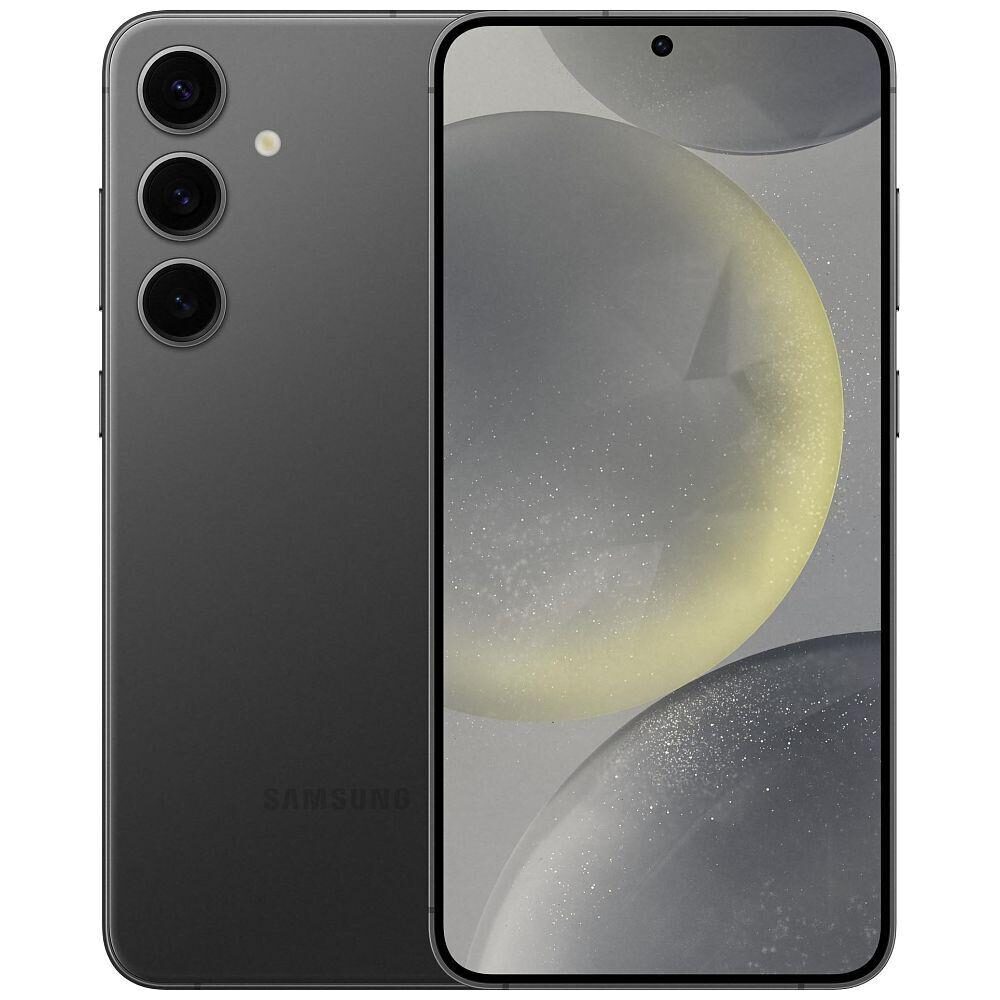
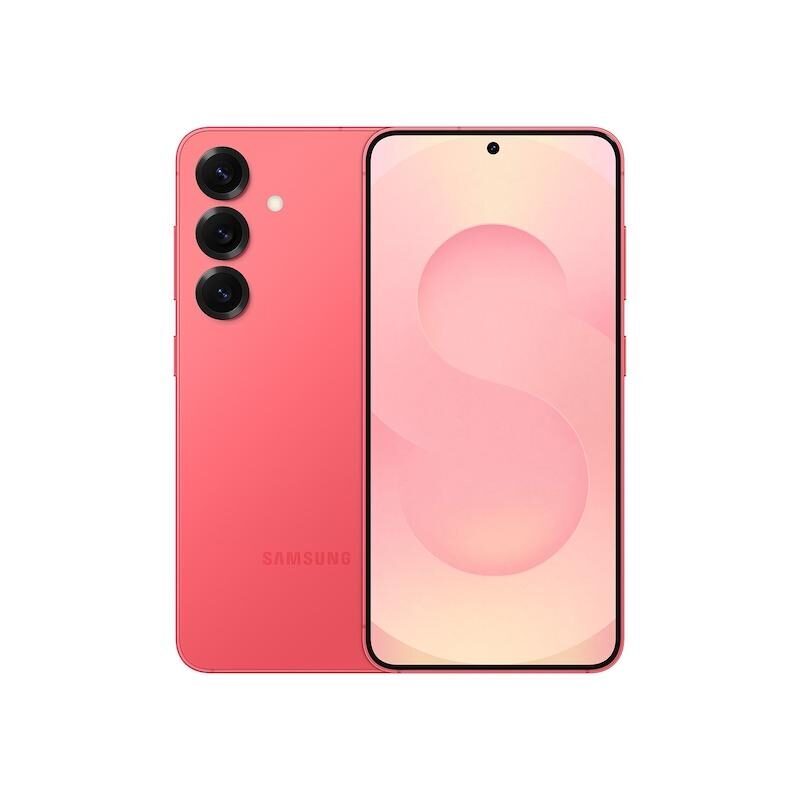
Galaxy S25 Ultra vs Galaxy Z Fold6
Shop Samsung Galaxy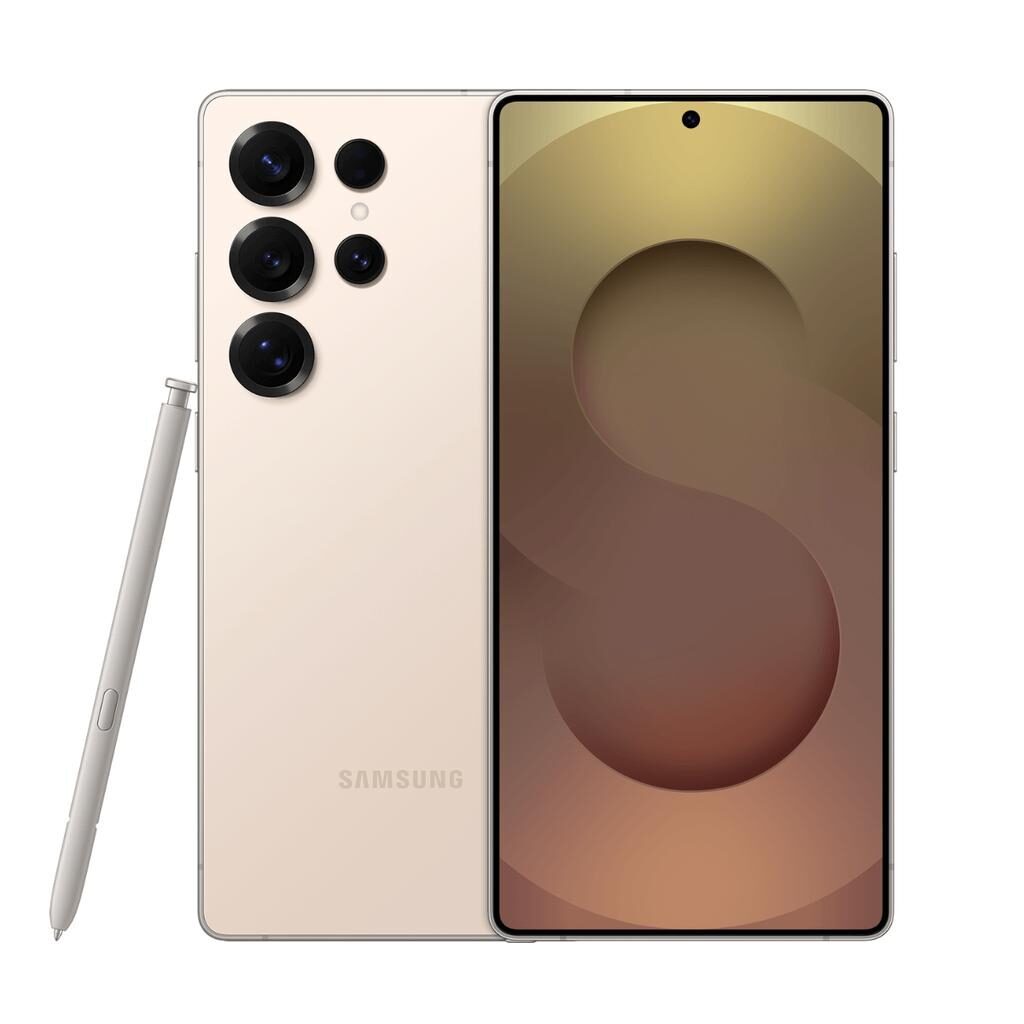
Galaxy S25 Ultra
Starting at
£678.00£1,200.00 new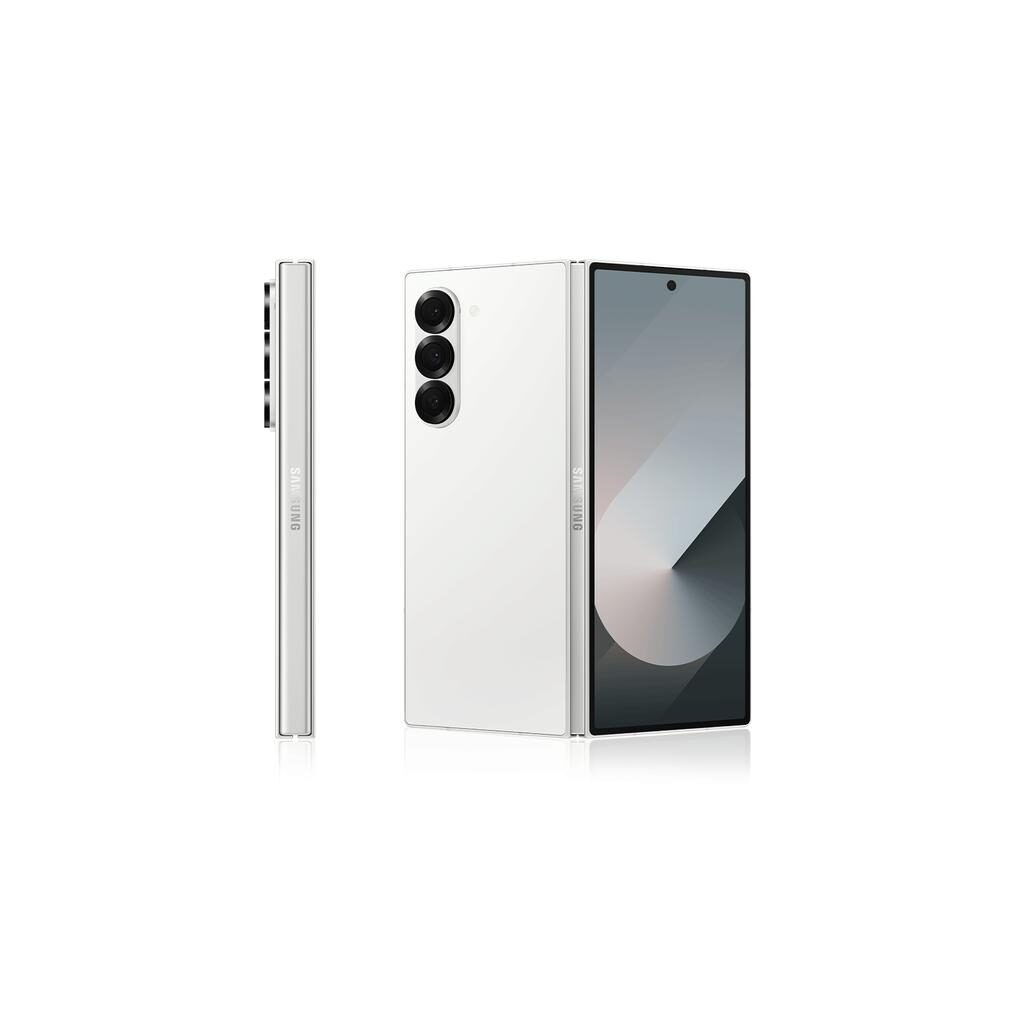
Galaxy Z Fold6
Starting at
£537.00What's the difference between the Galaxy S25 Ultra and Galaxy Z Fold6?
Galaxy S25 Ultra vs Z Fold6 comes down to the chipset, battery and screen size. Refurbished, the Galaxy Z Fold6 starts at £537, £141 less than the Galaxy S25 Ultra. The Galaxy S25 Ultra is the newer model, released in 2025.
Refurbished from
Chipset
Battery
Screen size
Screen type
Main camera
- Chipset: Qualcomm SM8750-AC Snapdragon 8 Elite (3 nm) on the Galaxy S25 Ultra, Qualcomm SM8650-AC Snapdragon 8 Gen 3 (4 nm) on the Galaxy Z Fold6.
- The Galaxy S25 Ultra has a bigger battery: 5000 mAh vs 4400 mAh.
- The Galaxy Z Fold6 has a bigger screen: 7.6 inch vs 6.9 inch.
Galaxy S25 Ultra vs Galaxy Z Fold6 specs
The Galaxy S25 Ultra and Galaxy Z Fold6 differ mainly in design and user experience. The Galaxy S25 Ultra is a traditional smartphone with a large 6.9 inch screen and a high resolution, ideal for those who prefer a solid, familiar device with a powerful camera setup. The Galaxy Z Fold6 offers a foldable 7.6 inch screen that opens up to a larger display area, suited for users who want more screen space in a compact form that folds. Battery capacity, camera detail, and device dimensions also vary, which may influence your choice depending on your priorities such as battery life, camera performance, or portability.
Galaxy S25 Ultra vs Galaxy Z Fold6 price
Colour
- BlackStarting at £678.00
- BlueStarting at £678.00
- GreyStarting at £678.00
- Titanium Jet BlackStarting at £680.00
- SilverStarting at £678.00
- Rose GoldStarting at £680.00
- GreenStarting at £678.00
- GrayStarting at £678.00
- BlackSold out
- PinkSold out
- SilverSold out
- BlueSold out
- Dark blueSold out
- WhiteSold out
- NavySold out
Storage
- 256GBSold out
- 512GBSold out
- 1TBSold out
Galaxy S25 Ultra vs Galaxy Z Fold6 battery life and software updates
Durability considerations include battery size, software support, and build style. These factors affect how long the phone lasts in daily use and how it fits your lifestyle.
Battery Capacity
The Galaxy S25 Ultra has a 5000 mAh battery, which offers a higher capacity compared to the Galaxy Z Fold6's 4400 mAh. This larger battery may suit users who need longer usage between charges, such as heavy app users or those often away from power sources. The Galaxy Z Fold6's battery suits users prioritising a foldable design while still having a solid daily battery.
Foldable Design
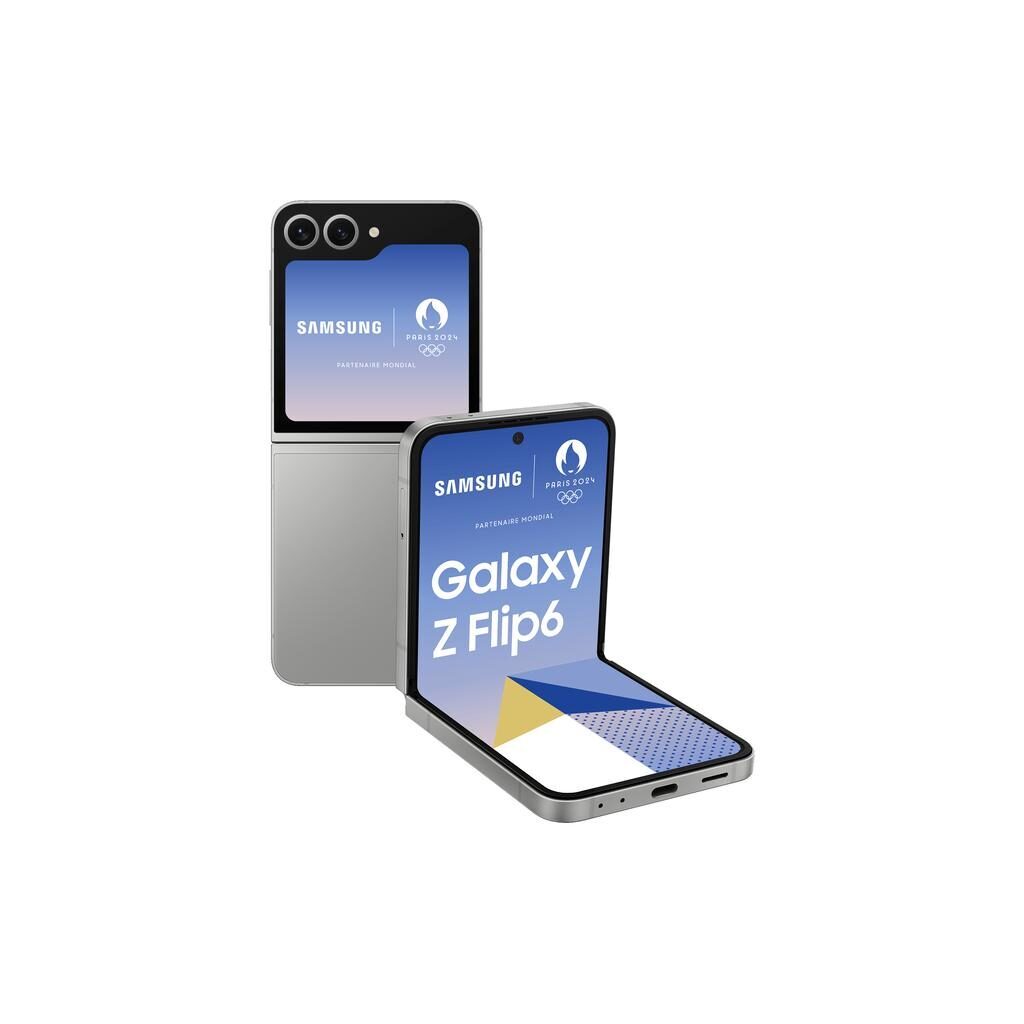
The Galaxy Z Fold6 is foldable, offering a compact form when closed and a larger screen when open. This design is well suited for multitasking, media consumption, or reading on a bigger screen that fits in your pocket when folded. The Galaxy S25 Ultra is a traditional non-foldable phone, which may suit users preferring a straightforward, single-screen device without hinges or moving parts.
Software Updates
This ensures that both devices can receive current software features and security patches, important for ongoing usability and security.
Battery
Fast charging
Foldable
Ip rating
Software updates
Wireless charging
Year of release
Galaxy S25 Ultra vs Galaxy Z Fold6 performance
Performance depends on chipset and memory, which influence speed and multitasking capabilities in daily use.
Chipset Technology
The Galaxy S25 Ultra uses the Qualcomm SM8750-AC Snapdragon 8 Elite built on a 3 nm process, while the Galaxy Z Fold6 has the Qualcomm SM8650-AC Snapdragon 8 Gen 3 on a 4 nm process. The smaller 3 nm manufacturing process in the S25 Ultra's chipset may offer improved efficiency and performance, which benefits users running demanding apps or multitasking heavily.
Memory Options
Both phones come with 12 GB of RAM and storage options of 256GB, 512GB, and 1TB. This amount of memory supports smooth multitasking and ample space for apps, media, and files, making either device suitable for power users or those who keep many apps open.
Chipset
RAM
Galaxy S25 Ultra vs Galaxy Z Fold6 screen
Screen quality affects how you experience media, browsing, and work tasks. These phones differ in size, resolution, and screen type, shaping the visual experience.
Screen Size and Format
The Galaxy Z Fold6 has a larger 7.6 inch foldable screen which provides more room for multitasking, reading, and video viewing in an expanded format. The Galaxy S25 Ultra features a 6.9 inch screen, offering a large but traditional smartphone display size that fits comfortably in one hand.
Resolution and Clarity
The Galaxy S25 Ultra has a resolution of 1440x3120 pixels, delivering a sharp and detailed picture suited for high-definition content. The Galaxy Z Fold6 has a resolution of 1856x2160 pixels, which provides a different aspect ratio that complements its foldable screen, offering a spacious canvas when unfolded.
Screen Type and Refresh Rate
Both devices use Dynamic LTPO AMOLED 2X screens with a 120 Hz refresh rate. This means they offer smooth motion for scrolling and gaming, with vibrant colours and adaptive refresh to balance quality and battery life. The Z Fold6's screen is foldable, introducing flexibility in how you use the display.
Refresh rate
Resolution
Screen size
Screen type
Galaxy S25 Ultra vs Galaxy Z Fold6 camera
Camera and front-facing camera differences affect photography and video calls. The number of cameras and megapixels vary, influencing detail and versatility.
Main Camera Setup
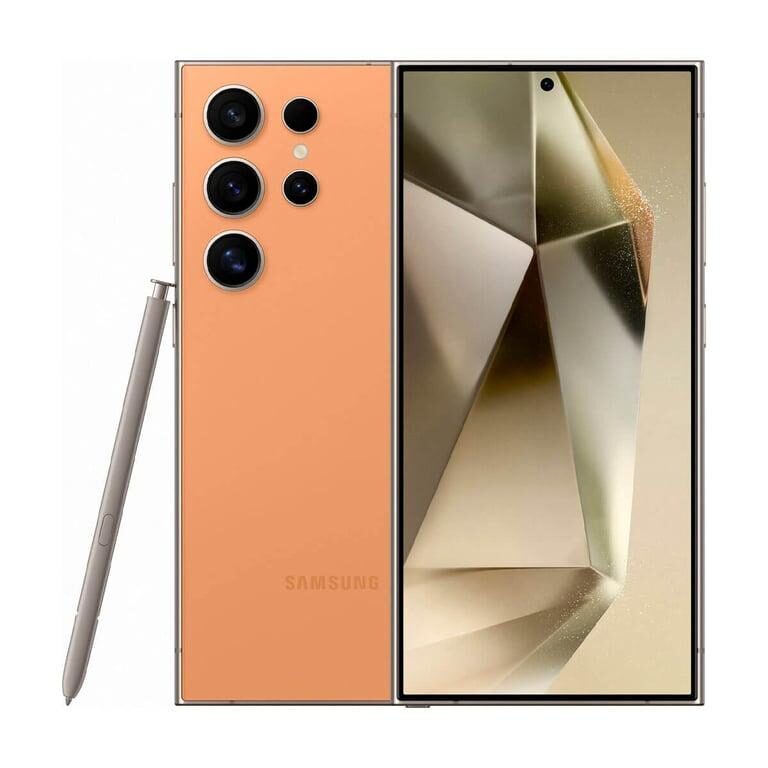
The Galaxy S25 Ultra has a quadruple camera system including a 200 MP main sensor with wide aperture and optical image stabilisation, plus telephoto lenses offering 3x and 5x optical zoom. This array suits users who want detailed photos, zoom options, and versatile photography. The Galaxy Z Fold6 has a triple camera system with a 50 MP main sensor, suitable for users who want a capable camera with fewer lenses.
Front Camera Resolution
The Galaxy S25 Ultra features a 12 MP front camera, which is well suited for high-resolution selfies and video calls. The Galaxy Z Fold6 has a 4 MP front camera, which supports video calls and selfies with lower megapixel count but still functional for everyday use.
Camera type
Front camera
Main camera
Galaxy S25 Ultra vs Galaxy Z Fold6 size and design
Other factors to consider include size, weight, network compatibility, SIM options, and physical design, all of which affect daily convenience and usage.
Device Dimensions and Weight
The Galaxy S25 Ultra measures 162 mm in height, 77 mm in width, and 8 mm in depth, weighing 218 g. The Galaxy Z Fold6 is smaller in height at 153.5 mm and wider at 132.6 mm but much thinner at 5.6 mm, weighing 239 g. The Fold6's design suits users who want a compact device that opens to a large screen, while the S25 Ultra offers a more conventional size and slightly lighter weight.
SIM Card Options
The Galaxy S25 Ultra supports a Physical SIM and an eSIM, making it straightforward for most users. The Galaxy Z Fold6 supports Dual Physical SIMs plus an eSIM, which is useful if you want to manage two physical numbers alongside an eSIM, such as for work and personal use.
Connectivity and Network
Both phones are unlocked and support 5G networks, ensuring they work with the latest mobile networks and provide fast data connections.
Carrier compatibility
Connector
Depth
Height
Mobile network
Release date
SD card slot
SIM card
Weight
Width
Galaxy S25 Ultra or Galaxy Z Fold6: which should you buy?
Buy the Galaxy S25 Ultra if
- you want a bigger battery (5000 mAh vs 4400 mAh)
- you want a higher-resolution main camera (200 megapixels vs 50 megapixels)
- you want a higher-resolution front camera (12 megapixels vs 4 megapixels)
Buy the Galaxy Z Fold6 if
- you want to spend less: it starts at £537, £141 less than the Galaxy S25 Ultra
- you want a bigger screen (7.6 inch vs 6.9 inch)
What our customers say
Customers of the Galaxy S25 Ultra often highlight its like-new condition and reliable battery life. Many report the phone looks almost brand new with no scratches and a battery health near 100 percent. Users appreciate the camera quality, noting it takes great photos in various lighting without needing to adjust settings. The phone is described as solid and easy to use, with features like the S Pen adding value. Some mention that the phone performs well and runs fast, while a few note issues with non-UK models or specific faults, but overall satisfaction with the device itself is high.
Galaxy Z Fold6 customers praise the foldable design and condition, with many noting the phone looks nearly new and offers excellent value. Users like the larger screen when unfolded for reading and browsing and find the fold crease barely noticeable. Some mention the battery drains faster than desired and that cleaning may be needed out of the box. The dual SIM support and compact folded size are appreciated, though the front camera's lower megapixels are accepted for everyday use. Overall, customers enjoy the unique form factor and functionality.
Both phones suit different needs: the Galaxy S25 Ultra appeals to those wanting a powerful camera and traditional smartphone experience with long battery life, while the Galaxy Z Fold6 suits users who want a foldable phone with a larger screen for multitasking and reading, accepting a smaller front camera and slightly shorter battery capacity.
Galaxy S25 Ultra vs Galaxy Z Fold6 FAQs
Galaxy S25 Ultra vs Z Fold6 comes down to the chipset, battery and screen size. Chipset: Qualcomm SM8750-AC Snapdragon 8 Elite (3 nm) on the Galaxy S25 Ultra, Qualcomm SM8650-AC Snapdragon 8 Gen 3 (4 nm) on the Galaxy Z Fold6. The Galaxy S25 Ultra has a bigger battery: 5000 mAh vs 4400 mAh.
The Galaxy Z Fold6 is cheaper refurbished, from £537 compared with £678 for the Galaxy S25 Ultra.
The Galaxy S25 Ultra has a bigger battery: 5000 mAh vs 4400 mAh.
The Galaxy S25 Ultra has a higher-resolution main camera: 200 megapixels vs 50 megapixels.
The Galaxy S25 Ultra gets updates until Feb 2032. The Galaxy Z Fold6 gets updates until Jul 2031.
The Galaxy S25 Ultra adds a bigger battery (5000 mAh vs 4400 mAh), a higher-resolution main camera (200 megapixels vs 50 megapixels) and a higher-resolution front camera (12 megapixels vs 4 megapixels). Refurbished, it costs £141 more (from £678 vs £537).
Both come in 256GB, 512GB and 1TB refurbished.