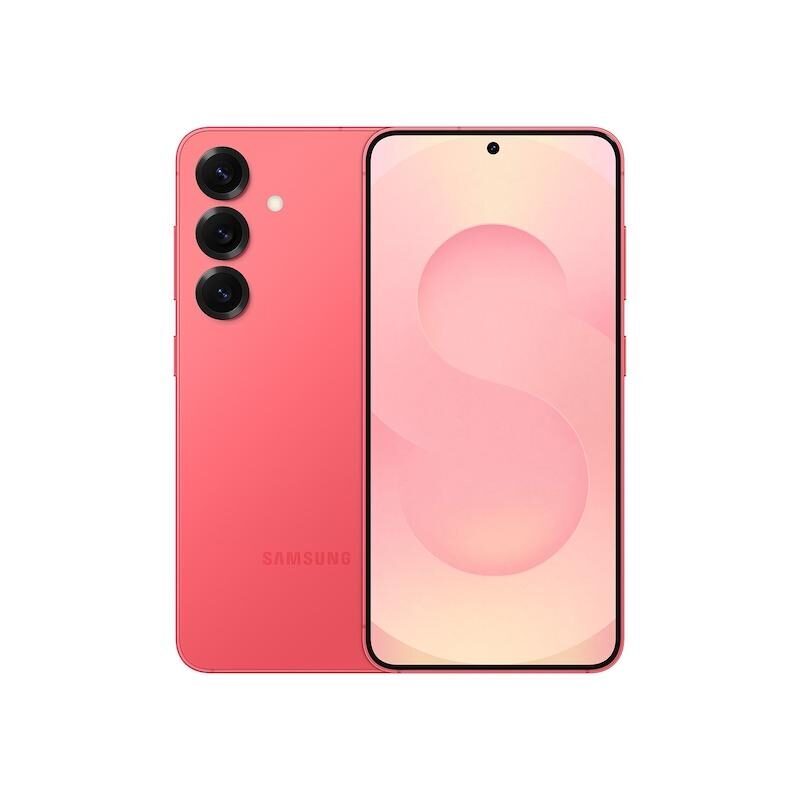
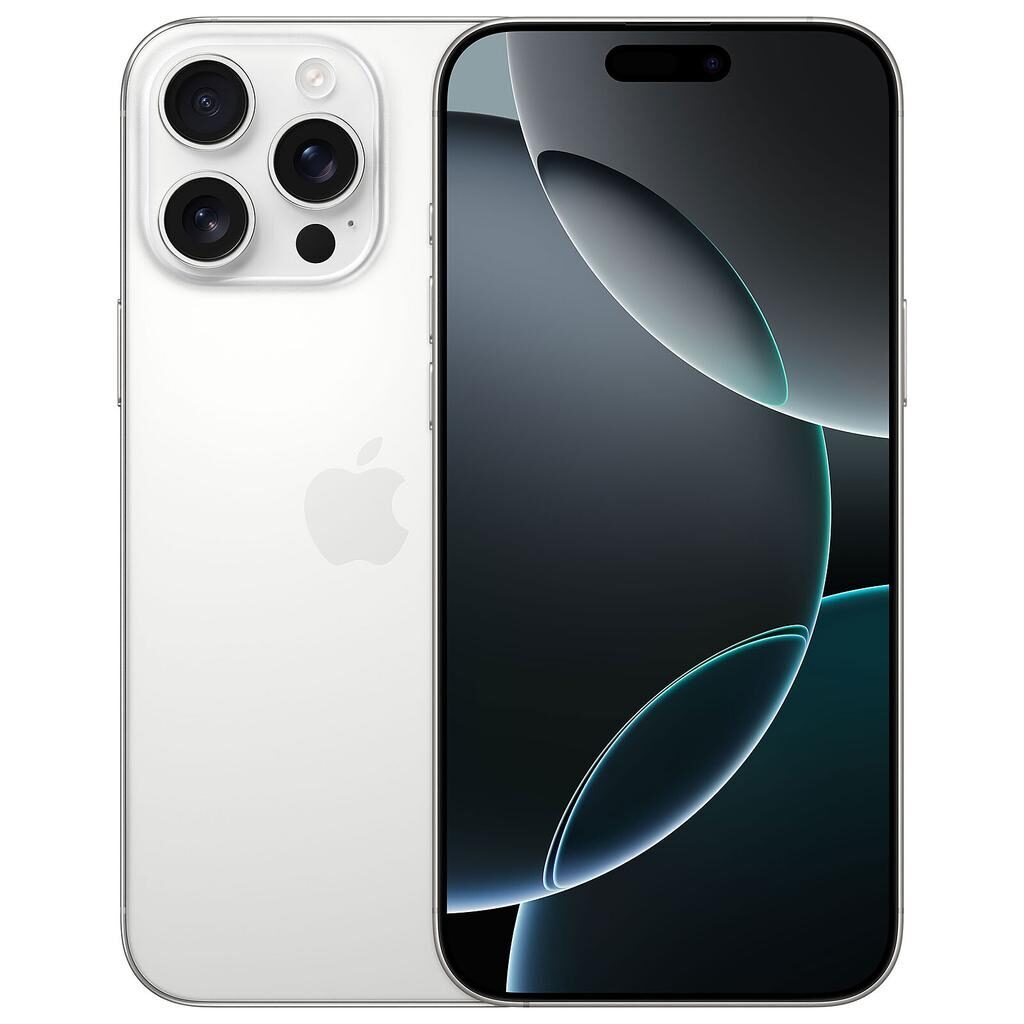
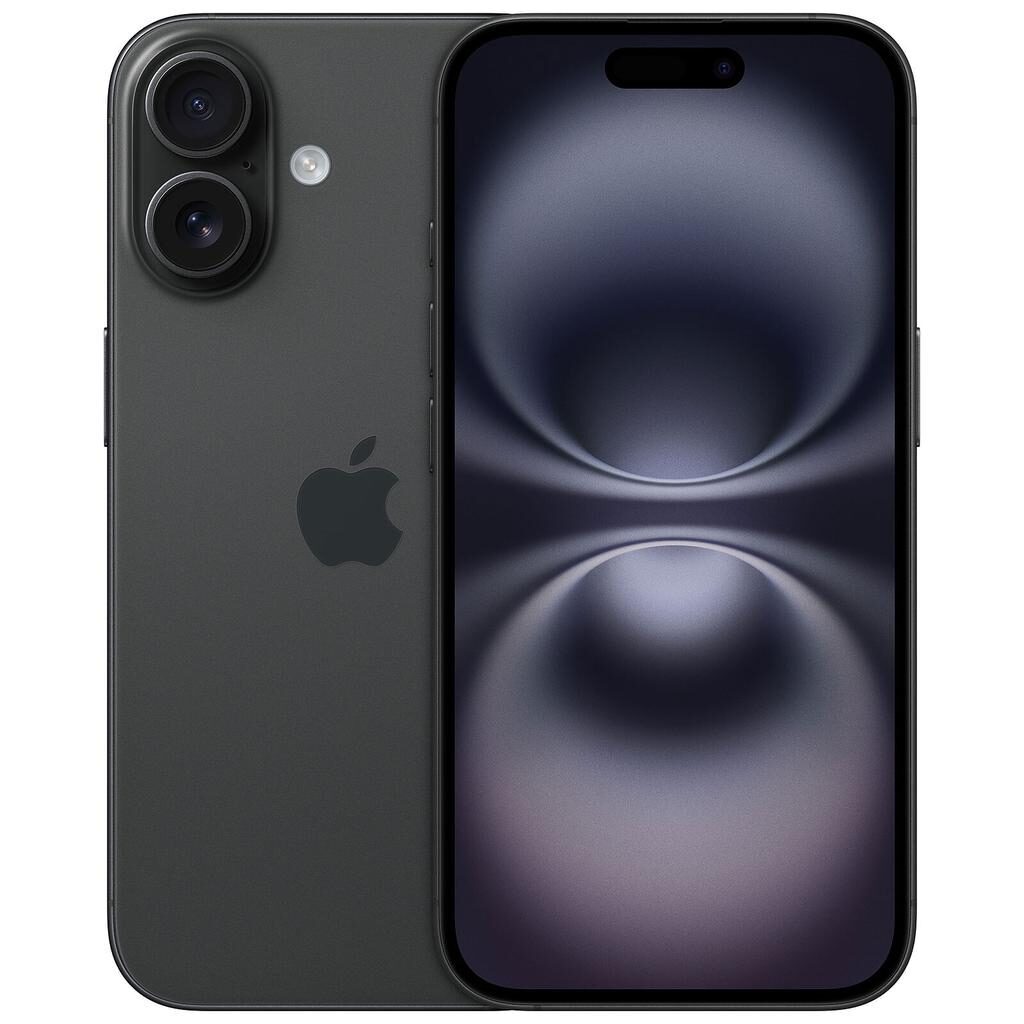
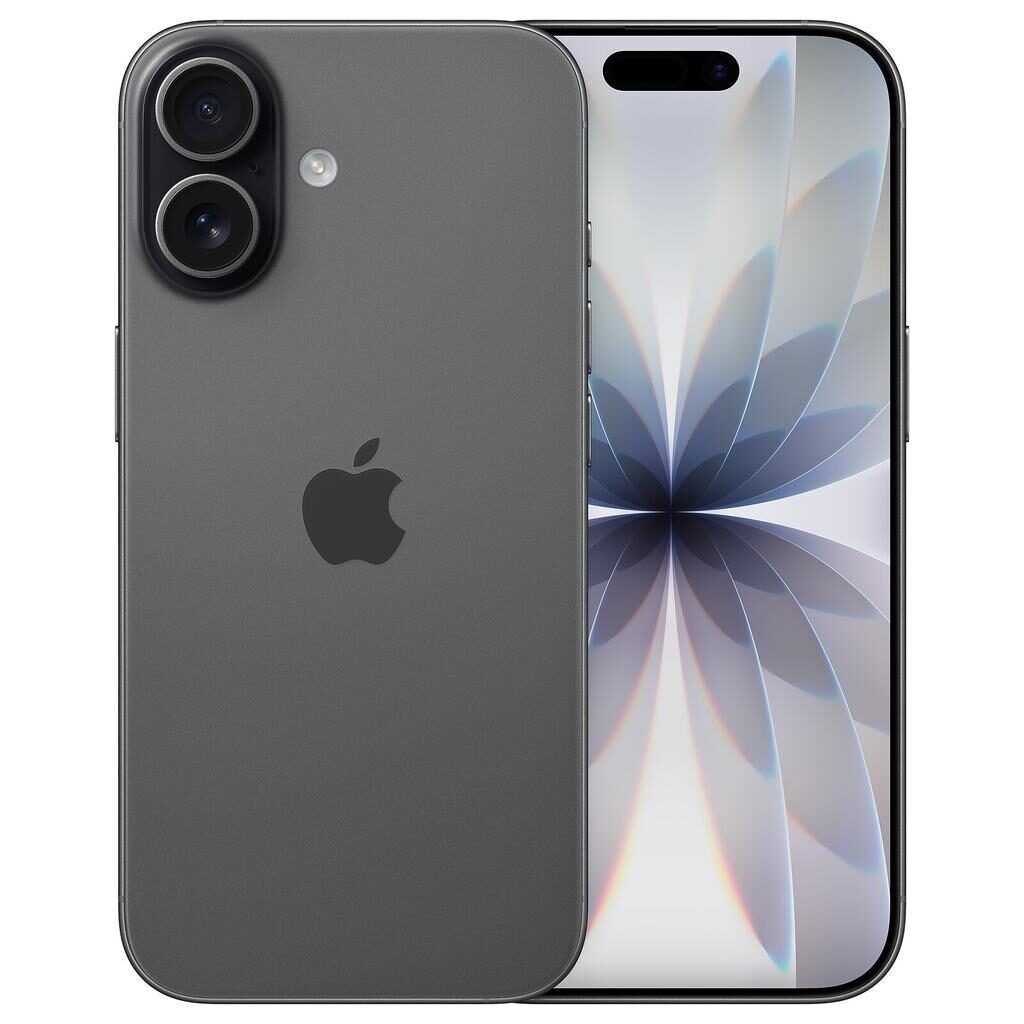
Galaxy S25 FE vs iPhone 16e
Shop Samsung Galaxy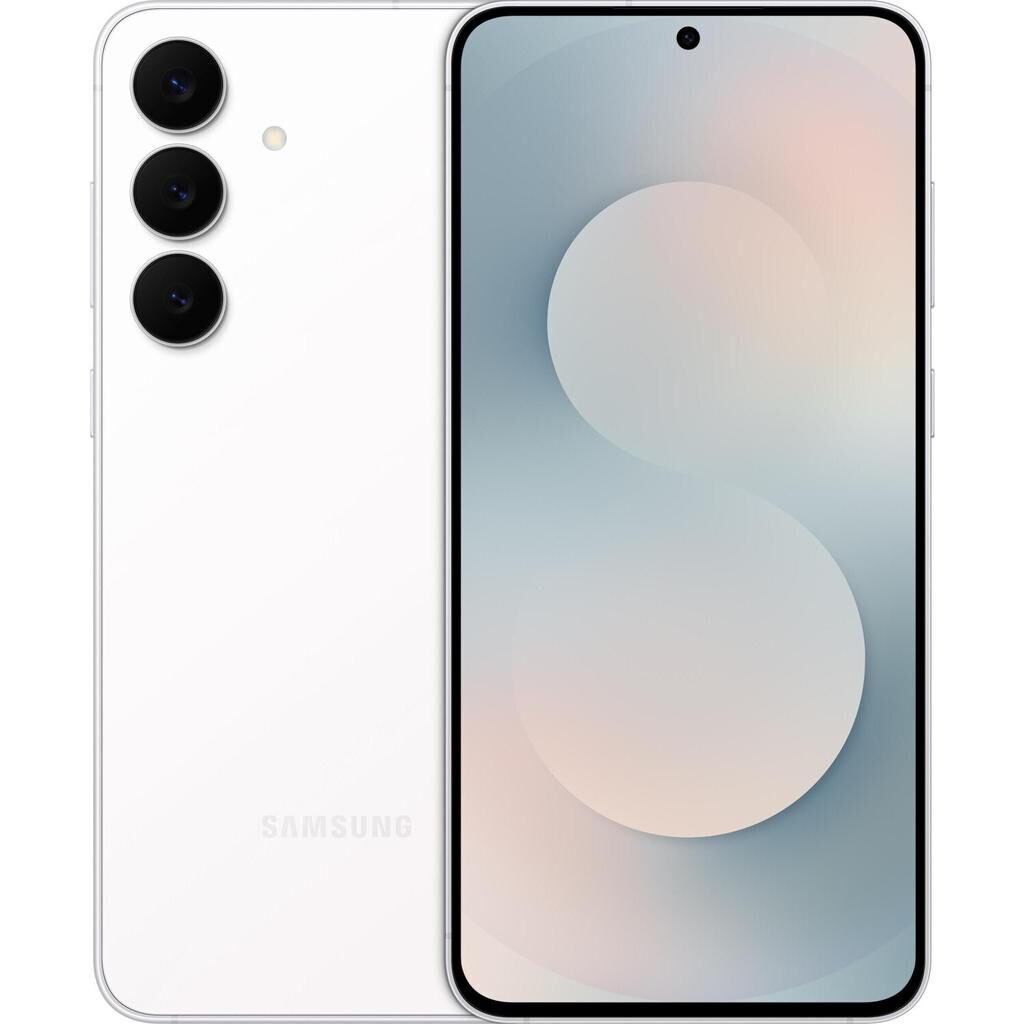
Galaxy S25 FE
Starting at
£364.55£645.24 new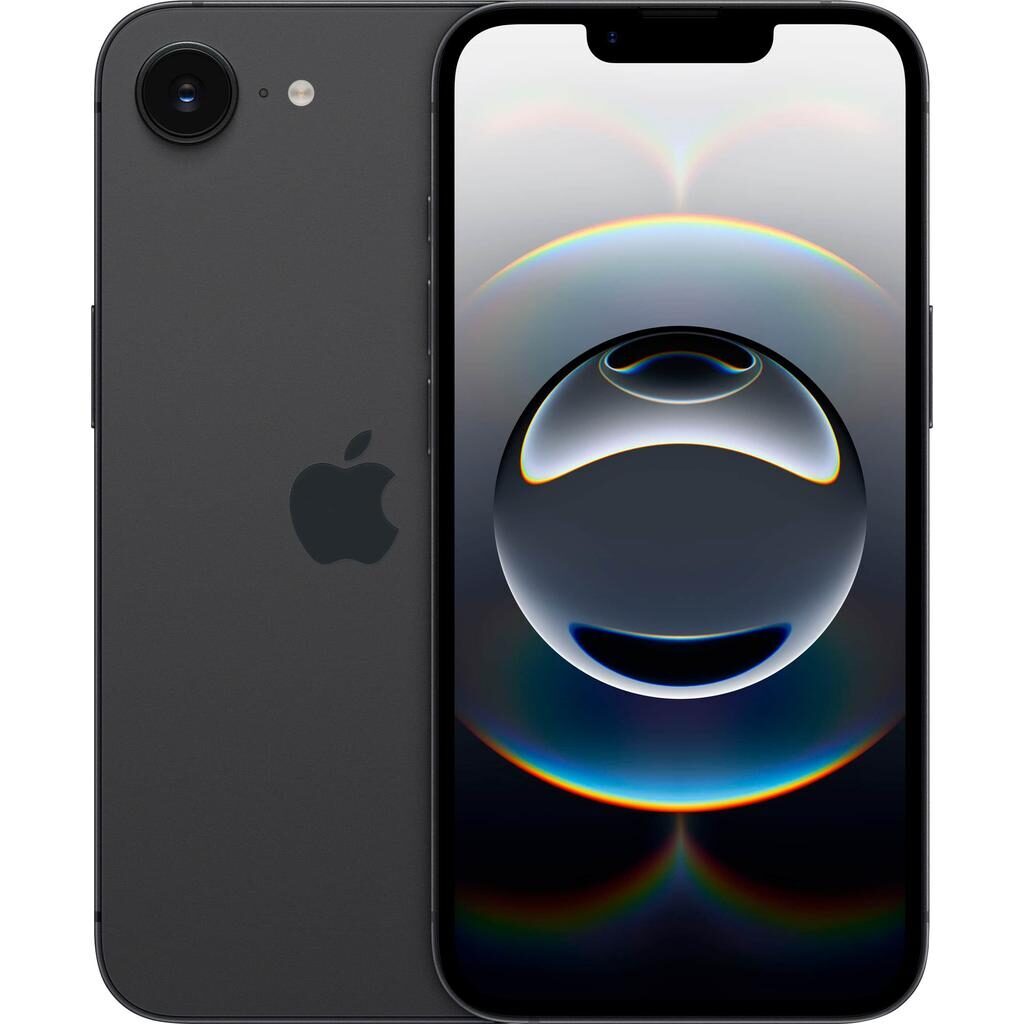
iPhone 16e
Starting at
£478.75£599.00 newWhat's the difference between the Galaxy S25 FE and iPhone 16e?
Galaxy S25 FE vs iPhone 16e comes down to the chipset, battery and screen size. Refurbished, the Galaxy S25 FE starts at £364.55, £114.20 less than the iPhone 16e.
Refurbished from
Chipset
Battery
Screen size
Screen type
Main camera
- Chipset: Exynos 2400 (4 nm) on the Galaxy S25 FE, Apple A18 (3 nm) on the iPhone 16e.
- The Galaxy S25 FE has a bigger battery: 4900 mAh vs 4005 mAh.
- The Galaxy S25 FE has a bigger screen: 6.7 inch vs 6.1 inch.
Galaxy S25 FE vs iPhone 16e specs
The Galaxy S25 FE and iPhone 16e both come from 2025 and offer 8 GB of RAM with multiple storage options. The Galaxy S25 FE suits you if you prefer a larger screen and longer battery life, while the iPhone 16e offers a more compact size and a higher screen resolution. The Galaxy runs Android and uses a USB Type-C connector, while the iPhone runs iOS with USB-C as well but offers an eSIM alongside a physical SIM. Your choice depends on whether you value screen size and battery or prefer a smaller device with iOS and eSIM support.
Galaxy S25 FE vs iPhone 16e price
Colour
Galaxy S25 FE vs iPhone 16e battery life and software updates
Durability for these devices includes battery capacity, operating system, and SIM options. These factors influence how long the phone lasts on a charge, how you use it daily, and your mobile setup.
Battery Capacity
The Galaxy S25 FE has a 4900 mAh battery, which is larger than the iPhone 16e's 4005 mAh. This means the Galaxy S25 FE is suited for users who want longer battery life between charges, especially during heavy use or long days away from power sources. The iPhone 16e's battery size suits those who prefer a lighter phone with a smaller capacity.
Operating System
The Galaxy S25 FE runs on Android, which offers wide customisation and app choices. The iPhone 16e uses iOS, known for its smooth integration with other Apple devices and consistent updates. Your preference for OS will shape your app experience and device ecosystem.
Battery
Fast charging
Foldable
Ip rating
Software updates
Wireless charging
Year of release
Galaxy S25 FE vs iPhone 16e performance
Performance depends on the chipset, memory, and storage options, which affect how smoothly apps run and how much space you have for data and media.
Chipset Technology
The Galaxy S25 FE uses the Exynos 2400 built on a 4 nm process, while the iPhone 16e includes the Apple A18 chipset with a 3 nm process. The smaller process on the iPhone 16e's chipset generally points to efficiency and performance improvements for iOS tasks. The Galaxy S25 FE's chipset is optimised for Android, so both perform well within their systems.
Memory and Storage
Both devices come with 8 GB of RAM, which keeps everyday apps running smoothly. They are stocked in 128GB, 256GB, and 512GB storage options, giving you flexibility depending on how much space you need for apps, photos, and files.
Chipset
RAM
Galaxy S25 FE vs iPhone 16e screen
Screen size, resolution, and type affect how you view content. These devices differ in size and display technology, which influences your experience watching videos, browsing, and gaming.
Screen Size and Resolution
The Galaxy S25 FE has a larger 6.7 inch screen with a resolution of 1080x2340, which provides a spacious area for watching videos or multitasking. The iPhone 16e offers a smaller 6.1 inch screen but with a higher resolution of 2532x1170, delivering sharper images and text. Choose the Galaxy for more screen space or the iPhone for finer detail.
Display Technology
The Galaxy S25 FE uses Dynamic AMOLED 2X, known for vibrant colours and smooth refresh rates, which suits users who enjoy rich visuals and gaming. The iPhone 16e uses Super Retina XDR OLED, offering high brightness and colour accuracy, ideal for those who value true-to-life colours and clarity.
Refresh rate
Resolution
Screen size
Screen type
Galaxy S25 FE vs iPhone 16e camera
Front camera
Main camera
Galaxy S25 FE vs iPhone 16e size and design
Other differences include SIM support, weight, and connectors. These affect how you connect to networks, carry the phone, and plug in accessories.
SIM Card Options
The Galaxy S25 FE supports dual physical SIM cards, which is useful if you want to use two separate phone numbers or carriers with physical SIMs. The iPhone 16e combines a physical SIM slot with an eSIM, offering more flexibility for switching networks without swapping cards, suited for those who value convenience.
Weight and Port Type
The Galaxy S25 FE weighs 190 g, making it slightly heavier than the iPhone 16e at 167 g. If you prefer a lighter phone for easier handling, the iPhone 16e fits better. Both use USB Type-C connectors, which is standard for charging and accessories.
Carrier compatibility
Connector
Depth
Height
Mobile network
Release date
SD card slot
SIM card
Weight
Width
Galaxy S25 FE or iPhone 16e: which should you buy?
Buy the Galaxy S25 FE if
- you want to spend less: it starts at £364.55, £114.20 less than the iPhone 16e
- you want a bigger battery (4900 mAh vs 4005 mAh)
- you want a bigger screen (6.7 inch vs 6.1 inch)
Buy the iPhone 16e if
- you want a lighter build (167 g vs 190 g)
What our customers say
Customers who chose the Galaxy S25 FE appreciate its premium condition and battery life, with many saying it feels like new and is a great upgrade. Some note occasional colour mix-ups or minor issues like a missing charging cable, but overall the device works well and the battery adapts over time. Users highlight the larger screen and good camera quality for trips and everyday use. The 8 GB RAM and storage options support smooth performance, and the dual physical SIM suits those with multiple numbers.
iPhone 16e customers praise its like-new look and smooth performance with iOS. Many find the eSIM easy to activate and enjoy the screen quality and battery life. Some mention challenges transferring data from Android phones, but those upgrading from older iPhones report a big improvement in speed and camera. The physical SIM plus eSIM setup appeals to users wanting flexible network options. Battery health and condition are often described as near new.
The Galaxy S25 FE suits buyers wanting a bigger screen and longer battery, with Android flexibility and dual physical SIMs. The iPhone 16e fits those looking for a lighter, higher-resolution screen with iOS and eSIM convenience. Both have 8 GB RAM and multiple storage choices, making them strong options depending on your priorities.
Galaxy S25 FE vs iPhone 16e FAQs
Galaxy S25 FE vs iPhone 16e comes down to the chipset, battery and screen size. Chipset: Exynos 2400 (4 nm) on the Galaxy S25 FE, Apple A18 (3 nm) on the iPhone 16e. The Galaxy S25 FE has a bigger battery: 4900 mAh vs 4005 mAh.
The Galaxy S25 FE is cheaper refurbished, from £364.55 compared with £478.75 for the iPhone 16e.
The Galaxy S25 FE has a bigger battery: 4900 mAh vs 4005 mAh.
The Galaxy S25 FE has a higher-resolution main camera: 50 megapixels vs 48 megapixels.
The Galaxy S25 FE gets updates until Sep 2032. The iPhone 16e is still supported and can run iOS 27.
Both come in 128GB, 256GB and 512GB refurbished.