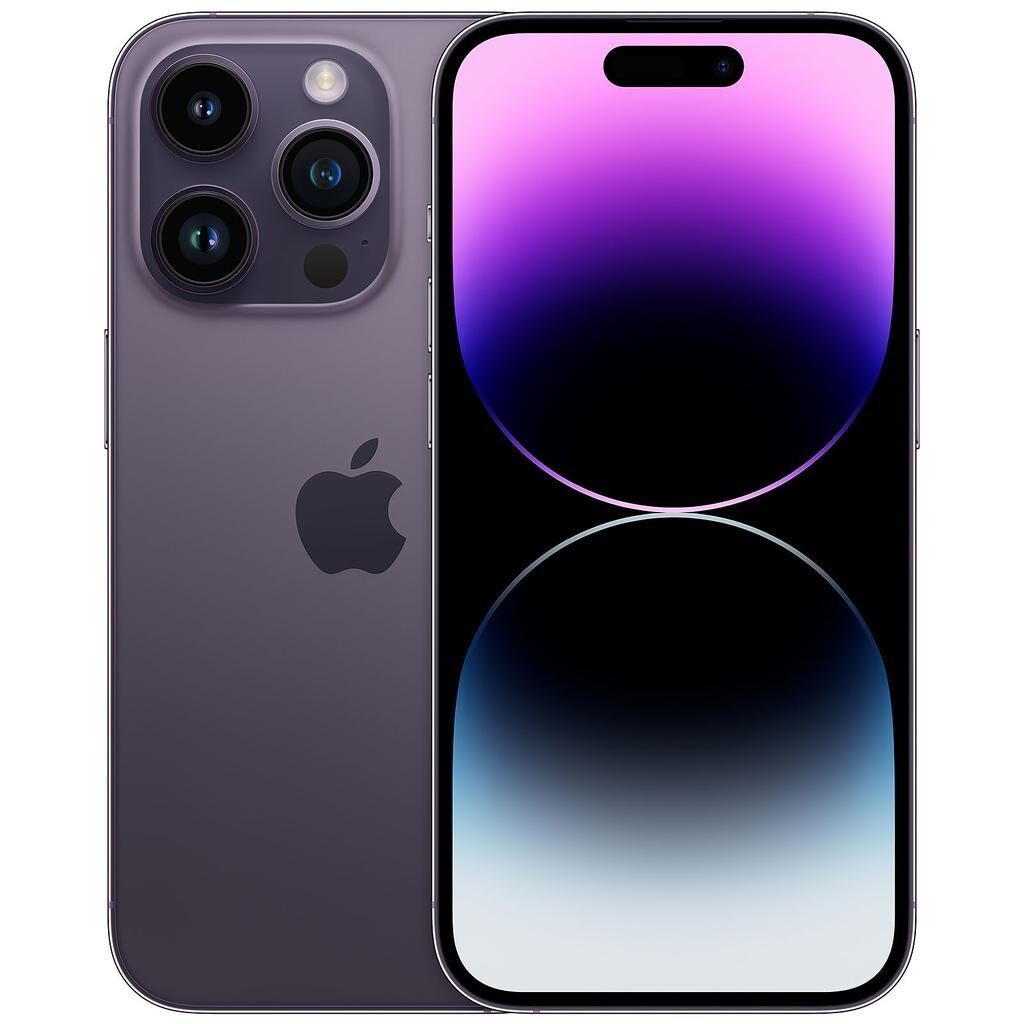
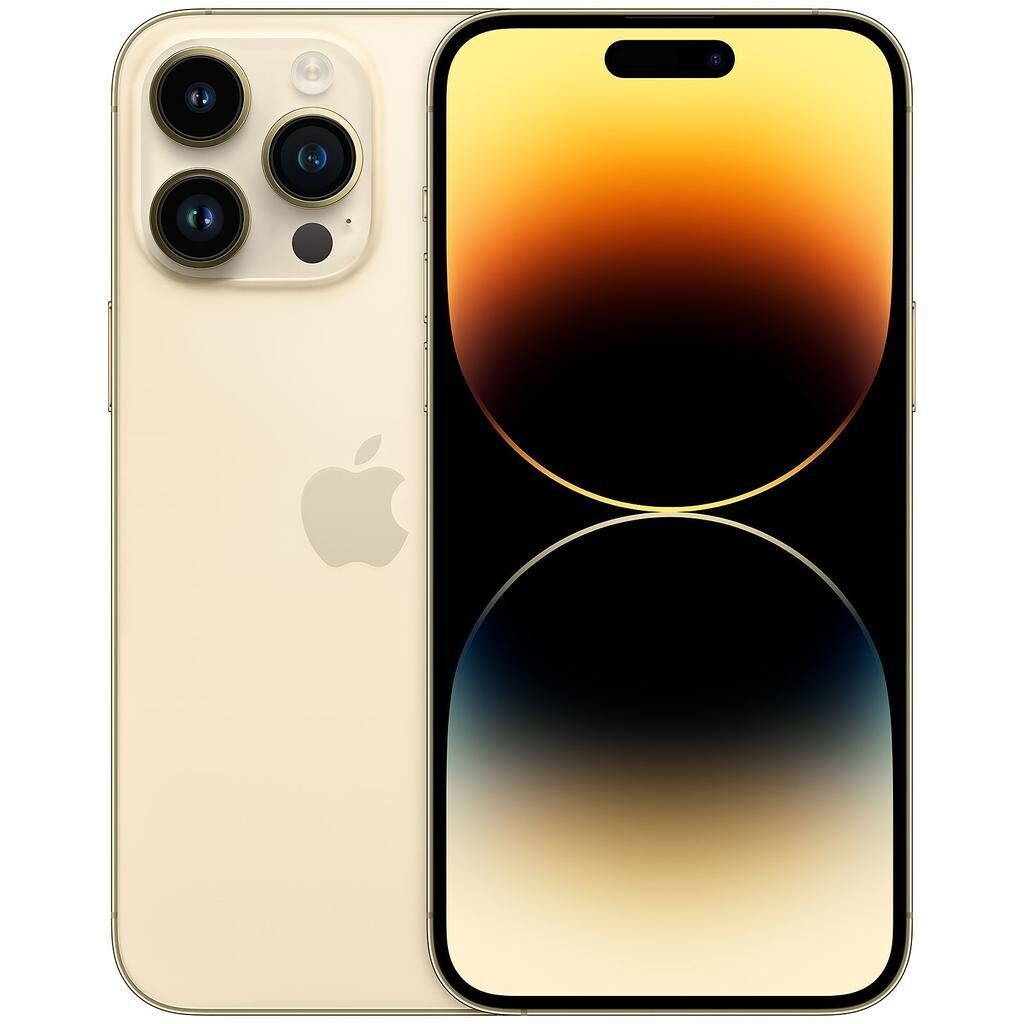
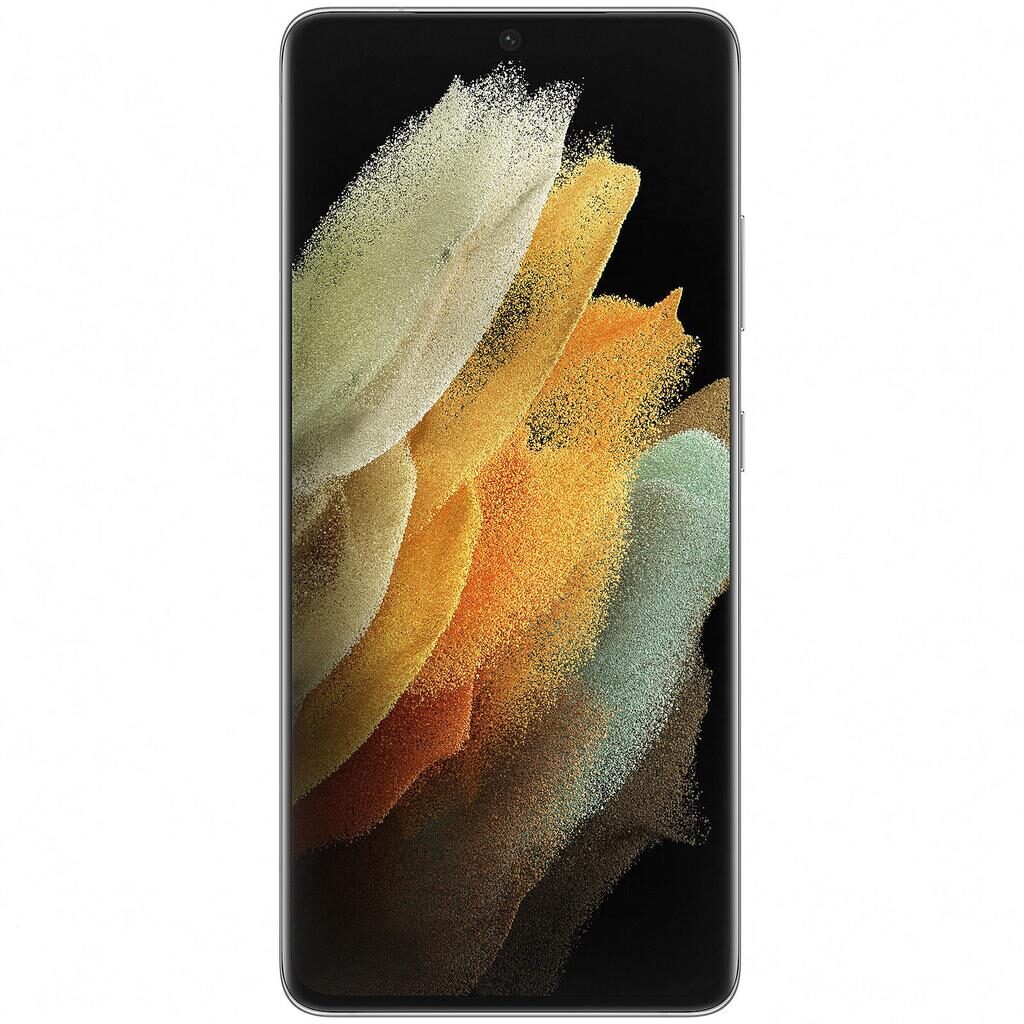
Galaxy S20 Ultra 5G vs iPhone 13 mini
Shop Samsung Galaxy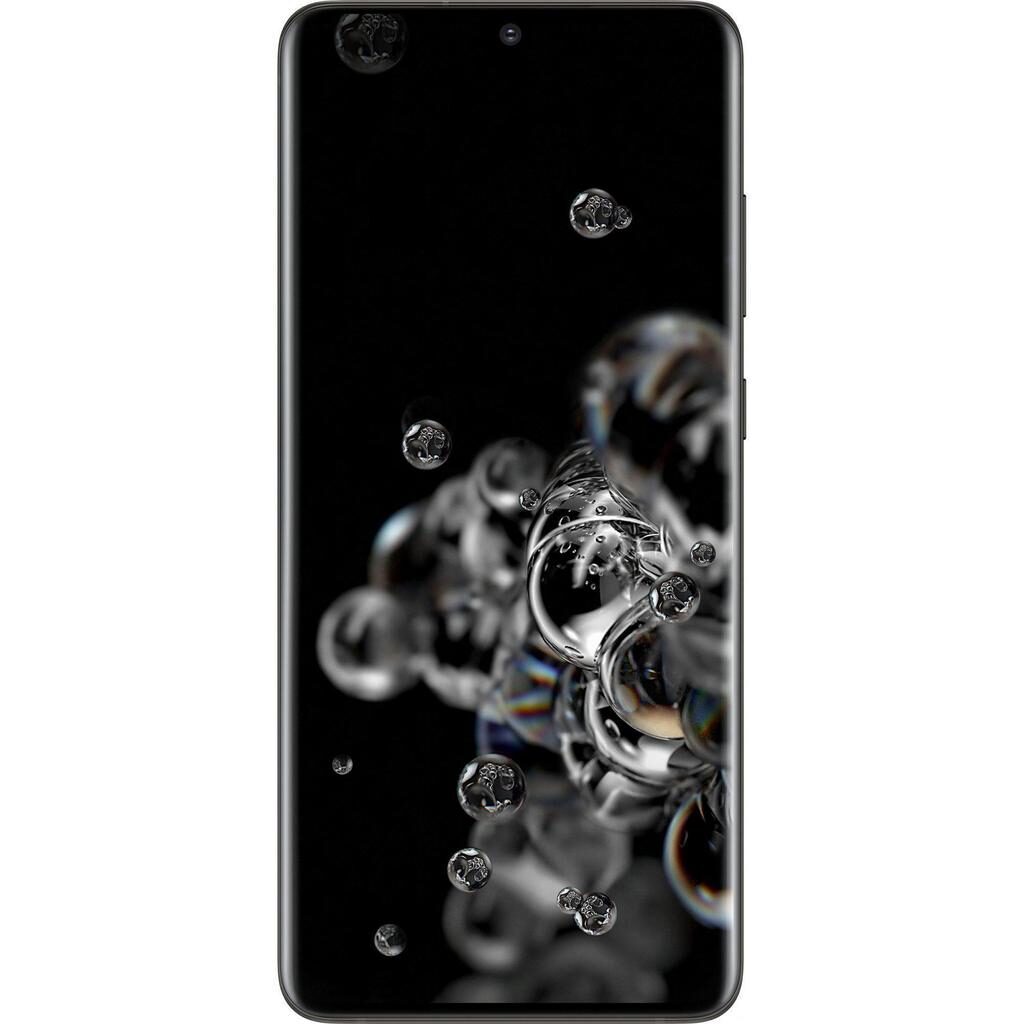
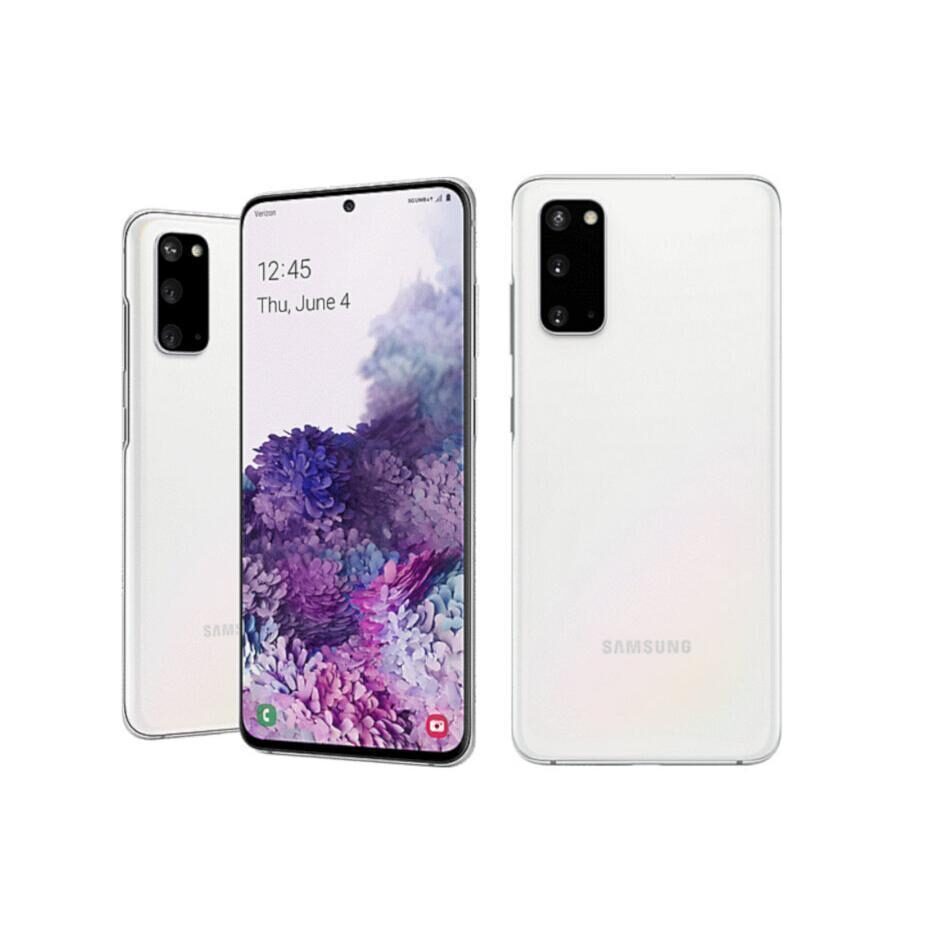
Galaxy S20 Ultra 5G
Starting at
£233.80£1,220.00 new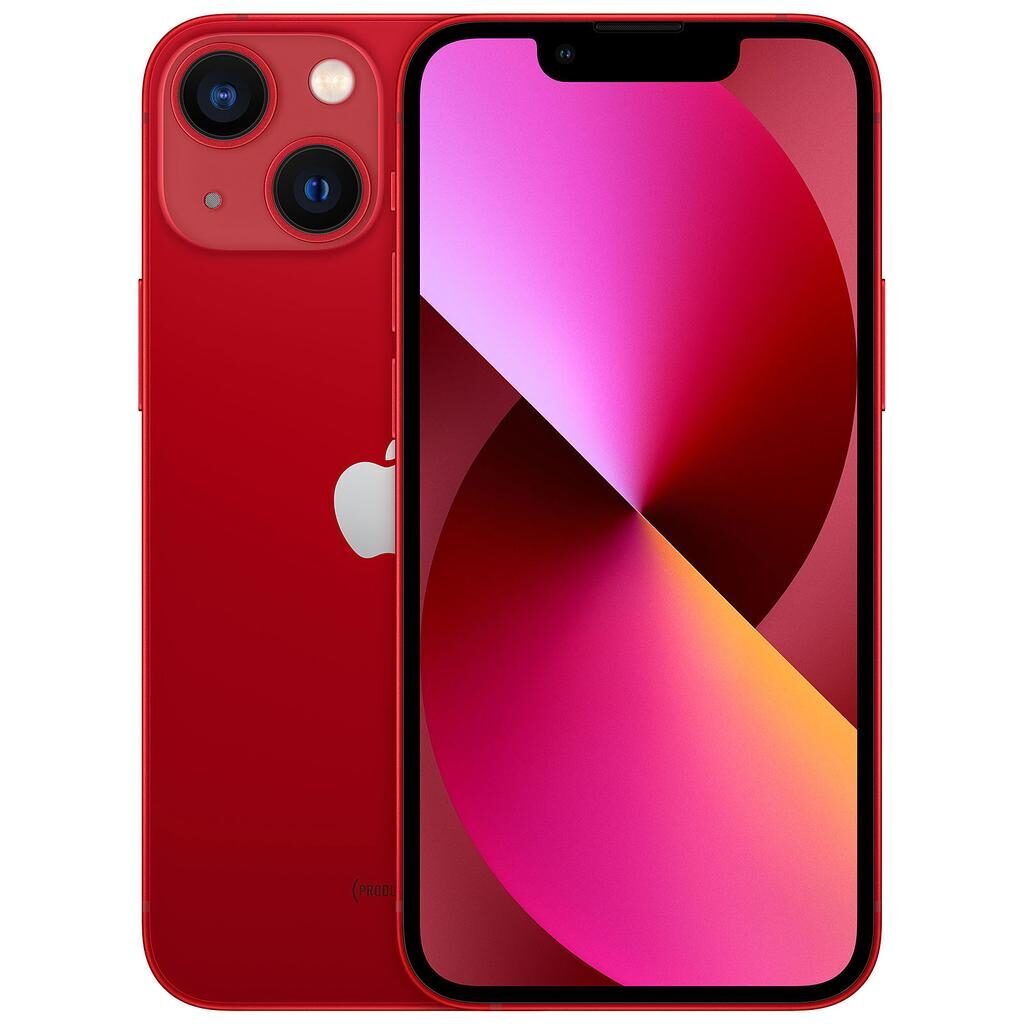
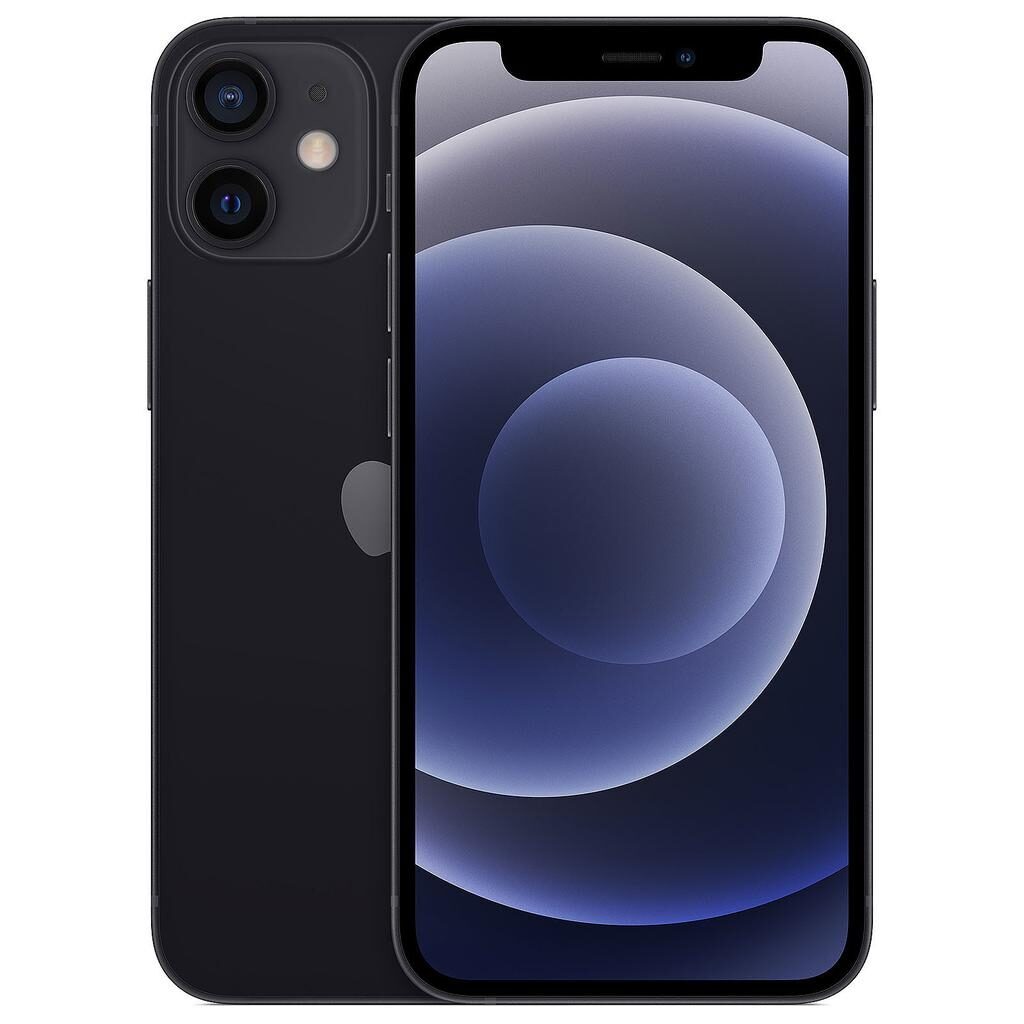
iPhone 13 mini
Starting at
£230.09£649.00 newWhat's the difference between the Galaxy S20 Ultra 5G and iPhone 13 mini?
Galaxy S20 Ultra 5G vs iPhone 13 mini comes down to the RAM, battery and screen size. Refurbished, the iPhone 13 mini starts at £230.09, £3.71 less than the Galaxy S20 Ultra 5G. The iPhone 13 mini is the newer model, released in 2021.
Refurbished from
RAM
Battery
Screen size
Screen type
Refresh rate
- The Galaxy S20 Ultra 5G has more RAM: 12 GB vs 4 GB.
- The Galaxy S20 Ultra 5G has a bigger battery: 5000 mAh vs 2438 mAh.
- The Galaxy S20 Ultra 5G has a bigger screen: 6.9 inch vs 5.4 inch.
Galaxy S20 Ultra 5G vs iPhone 13 mini specs
The Galaxy S20 Ultra 5G and iPhone 13 mini suit different needs based on their size, power, and features. The Galaxy S20 Ultra 5G offers a large 6.9 inch screen with a high 120 Hz refresh rate, a powerful 12 GB RAM, and a high-capacity 5000 mAh battery, making it suitable for users who want a spacious display and strong performance for multitasking and media. Camera setups differ, with the Galaxy focusing on high megapixel counts and multiple lenses, while the iPhone provides a lighter camera system. Each device supports 5G and unlocked carrier use, so choice depends on your priorities for size, screen, performance, and software.
Galaxy S20 Ultra 5G vs iPhone 13 mini price
Colour
Galaxy S20 Ultra 5G vs iPhone 13 mini battery life and software updates
Durability covers battery size, software updates, and operating system, which affect how long the phone lasts daily and over time.
Battery Capacity
The Galaxy S20 Ultra 5G has a 5000 mAh battery, which suits users who need longer battery life between charges, especially for heavy use. The iPhone 13 mini offers a 2438 mAh battery, making it better for those who prefer a lighter phone with a smaller battery capacity.
Operating System
The Galaxy S20 Ultra 5G uses Android, offering flexibility in customisation and app availability, while the iPhone 13 mini uses iOS, known for its integration with other Apple devices and consistent updates.
Battery
Fast charging
Foldable
Ip rating
Software updates
Wireless charging
Year of release
Galaxy S20 Ultra 5G vs iPhone 13 mini performance
Chipset
RAM
Galaxy S20 Ultra 5G vs iPhone 13 mini screen
Screen quality affects how clear and smooth visuals appear, which matters for watching videos, gaming, and general use. The Galaxy S20 Ultra 5G provides a larger and higher resolution screen with a faster refresh rate.
Screen Size
The Galaxy S20 Ultra 5G has a 6.9 inch screen, giving more room for videos, browsing, and multitasking. The iPhone 13 mini has a compact 5.4 inch screen, fitting better in pockets and one-handed use.
Resolution
With 1440 x 3200 pixels, the Galaxy S20 Ultra 5G delivers sharper detail, ideal if you want crisp images and text on a large display. The iPhone 13 mini's 1080 x 2340 resolution still offers clear visuals on its smaller screen.
Refresh Rate
The Galaxy S20 Ultra 5G has a 120 Hz refresh rate, making animations and scrolling look smoother, which benefits gaming and fast-paced content. The iPhone 13 mini stays at 60 Hz, sufficient for everyday use.
Screen Type
The Galaxy S20 Ultra 5G uses Dynamic AMOLED 2X technology, which can produce bright and vivid colours. The iPhone 13 mini features a Super Retina XDR OLED screen, known for accurate colours and sharp contrast.
Refresh rate
Resolution
Screen size
Screen type
Galaxy S20 Ultra 5G vs iPhone 13 mini camera
Camera and front camera details matter if photography or video calls are priorities. The Galaxy S20 Ultra 5G offers more lenses and higher megapixels, while the iPhone 13 mini has a simpler camera setup.
Camera Setup
The Galaxy S20 Ultra 5G has a quadruple main camera system, which suits users who want versatile photography options. The iPhone 13 mini has a double main camera setup, fitting those happy with a straightforward camera experience.
Main Camera Megapixels
With 108 megapixels, the Galaxy S20 Ultra 5G captures detailed photos, useful for cropping or large prints. The iPhone 13 mini's 12 megapixels still take quality pictures for everyday photography.
Front Camera
The Galaxy S20 Ultra 5G's 40 megapixel front camera suits video calls and selfies where high detail is desired. The iPhone 13 mini's 12 megapixel front camera offers good quality for video chats and selfies in a smaller sensor.
Camera type
Front camera
Main camera
Galaxy S20 Ultra 5G vs iPhone 13 mini size and design
Other practical differences include body size, connectors, storage options, and expandability, which influence how you use each phone day to day.
Size and Weight
The Galaxy S20 Ultra 5G measures 166.9 mm tall, 76 mm wide, and 8.8 mm deep, weighing 222 g. This larger size suits those who prefer a substantial phone. The iPhone 13 mini is smaller and lighter at 131.5 mm tall, 64.2 mm wide, 7.5 mm deep, and 140 g, ideal for users wanting a compact device.
Storage Options
The iPhone 13 mini is available in 128GB, 256GB, and 512GB storage sizes, offering flexibility for users needing more space. The Galaxy S20 Ultra 5G comes in a 128GB version but supports microSDXC cards, allowing storage expansion.
Connector Type
The Galaxy S20 Ultra 5G uses a USB-C connector, common for many devices and accessories. The iPhone 13 mini has a Lightning connector, which fits Apple accessories and chargers.
Network and SIM
Both phones support 5G networks and come unlocked, with Physical SIM plus eSIM compatibility, so you can choose your carrier freely and enjoy fast mobile connections.
Carrier compatibility
Connector
Depth
Height
Mobile network
Release date
SD card slot
SIM card
Weight
Width
Galaxy S20 Ultra 5G or iPhone 13 mini: which should you buy?
Buy the Galaxy S20 Ultra 5G if
- you want more RAM (12 GB vs 4 GB)
- you want a bigger battery (5000 mAh vs 2438 mAh)
- you want a bigger screen (6.9 inch vs 5.4 inch)
Buy the iPhone 13 mini if
- you want to spend less: it starts at £230.09, £3.71 less than the Galaxy S20 Ultra 5G
- you want longer software support (supported, up to iOS 27 vs ended Mar 2025)
- you want a lighter build (140 g vs 222 g)
What our customers say
Customers who have bought the Galaxy S20 Ultra 5G often praise its excellent condition, noting it looks like new and performs well for their needs. Many appreciate the large screen resolution and 12GB RAM for multitasking and media use. Some mention the battery life is good but wish it lasted longer. The phone's size and powerful camera system suit users wanting a feature-rich experience. Overall, reviews describe the phone as very good and reliable for intensive use.
Buyers of the iPhone 13 mini highlight the phone's compact size and ease of use. Many report receiving phones in better condition than expected, with good battery health and flawless screens. Users appreciate the variety of storage sizes and the phone's smooth operation with the latest iOS updates. The smaller form factor appeals to those who want a lightweight phone that fits comfortably in hand or pocket. Customers are happy with the camera and the phone's overall performance.
Both phones suit different buyers well: the Galaxy S20 Ultra 5G fits those who want a large screen and high performance, while the iPhone 13 mini is ideal for users preferring a smaller device with the latest software and varied storage options.
Galaxy S20 Ultra 5G vs iPhone 13 mini FAQs
Galaxy S20 Ultra 5G vs iPhone 13 mini comes down to the RAM, battery and screen size. The Galaxy S20 Ultra 5G has more RAM: 12 GB vs 4 GB. The Galaxy S20 Ultra 5G has a bigger battery: 5000 mAh vs 2438 mAh.
The iPhone 13 mini is cheaper refurbished, from £230.09 compared with £233.80 for the Galaxy S20 Ultra 5G.
The Galaxy S20 Ultra 5G has a bigger battery: 5000 mAh vs 2438 mAh.
The Galaxy S20 Ultra 5G has a higher-resolution main camera: 108 megapixels vs 12 megapixels.
Updates for the Galaxy S20 Ultra 5G ended in Mar 2025. The iPhone 13 mini is still supported and can run iOS 27.
Refurbished, the Galaxy S20 Ultra 5G comes in 128GB, and the iPhone 13 mini in 128GB, 256GB and 512GB.