Galaxy Note9 vs Galaxy S6
Shop Samsung Galaxy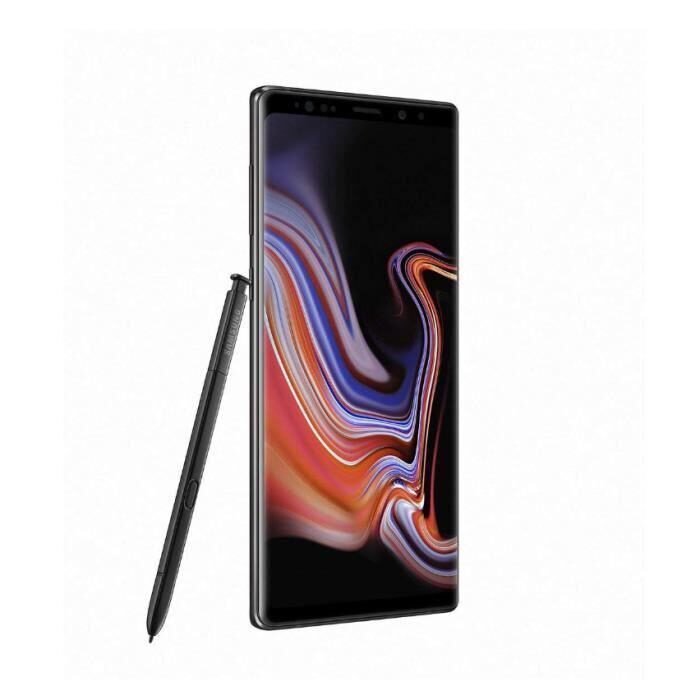
Galaxy Note9
Starting at
£142.00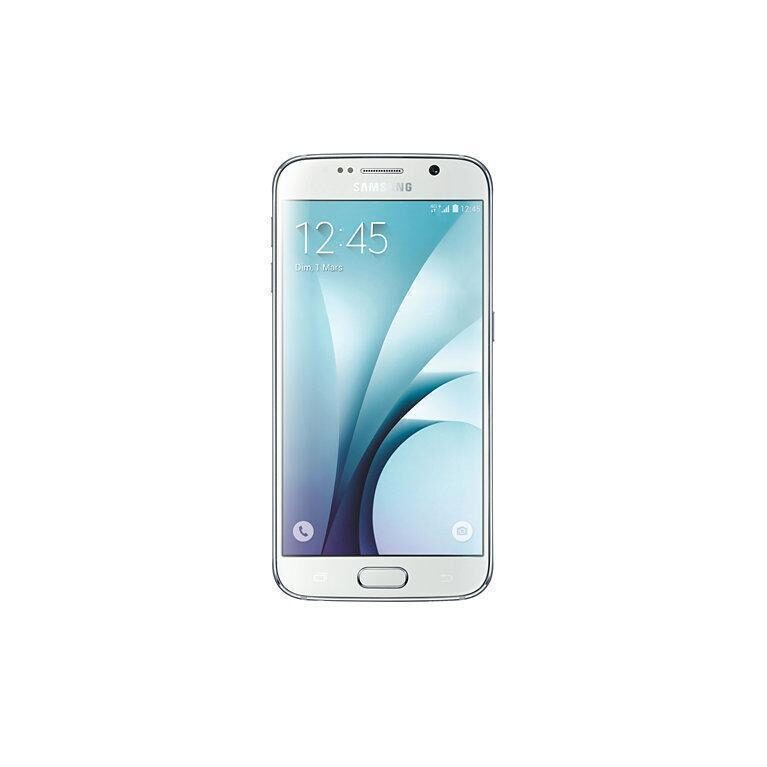
Galaxy S6
Starting at
£81.32£399.00 newWhat's the difference between the Galaxy Note9 and Galaxy S6?
Galaxy Note9 vs S6 comes down to the chipset, RAM and battery. Refurbished, the Galaxy S6 starts at £81.32, £60.68 less than the Galaxy Note9. The Galaxy Note9 is the newer model, released in 2018.
Refurbished from
Chipset
RAM
Battery
Screen size
Main camera
- Chipset: Exynos 9810, Qualcomm SDM845 Snapdragon 845 on the Galaxy Note9, Exynos 7420 Octa (14 nm) on the Galaxy S6.
- The Galaxy Note9 has more RAM: 6 GB vs 3 GB.
- The Galaxy Note9 has a bigger battery: 4000 mAh vs 2550 mAh.
Galaxy Note9 vs Galaxy S6 specs
The Galaxy Note9 and Galaxy S6 offer different strengths for different users. The Galaxy Note9 has a larger battery and more memory, making it a good choice if you want longer use and smoother multitasking. It also has a bigger, sharper screen and a higher resolution front camera for video calls or selfies. The Galaxy S6, with a smaller screen and battery, suits those who prefer a more compact phone with a higher resolution main camera for detailed photos. The Note9 supports dual SIM cards and expandable storage, while the S6 does not. Your choice depends on whether you value screen size and battery life or a smaller device with a higher megapixel main camera.
Galaxy Note9 vs Galaxy S6 price
Colour
- BlackSold out
- BlueSold out
Storage
- 128GBSold out
Galaxy Note9 vs Galaxy S6 battery life and software updates
Battery capacity and software updates affect how long each phone lasts during use and how current the software remains. These factors are key for daily reliability.
Battery Capacity
The Galaxy Note9 has a 4000 mAh battery which supports longer usage between charges, suitable if you spend extended time on your phone or use power-hungry apps. The Galaxy S6 has a 2550 mAh battery, which may suit users with lighter daily use or those who charge more frequently.
Software Updates
This means both phones run older versions, which may affect app compatibility over time.
Battery
Foldable
Software updates
Wireless charging
Year of release
Galaxy Note9 vs Galaxy S6 performance
Processor power, memory size and storage capacity influence speed, multitasking and how much data you can keep on your phone.
Processor Chipset
The Galaxy Note9 comes with either the Exynos 9810 or Snapdragon 845 chipset, offering strong performance for demanding apps and multitasking. The Galaxy S6 uses the Exynos 7420 Octa (14 nm), which is well-suited for everyday tasks but has fewer cores and is from an earlier generation.
Memory Size
With 6 GB of RAM, the Galaxy Note9 manages multiple apps and heavier use with ease. The Galaxy S6 has 3 GB of RAM, enough for standard daily activities and simpler multitasking.
Storage Options
The Galaxy Note9 offers 128GB of storage, allowing you to keep more apps, photos and files on board. The Galaxy S6 provides 32GB, which is suitable for lighter storage needs or users who rely on cloud storage.
Chipset
RAM
Galaxy Note9 vs Galaxy S6 screen
Screen size, resolution and type affect how much content you see and how sharp it looks, important for video, browsing and reading.
Screen Size
The Galaxy Note9 features a 6.4 inch screen, giving more room for videos, apps and multitasking. This is ideal if you prefer a larger display for media or work. The Galaxy S6 has a 5.1 inch screen, making it easier to hold and operate with one hand.
Resolution
The Note9's screen resolution is 1440 x 2960, offering a taller and sharper display that suits high definition media and detailed content. The S6's 1440 x 2560 resolution still provides vibrant visuals but with less vertical space.
Screen Type
Both phones use Super AMOLED screens, which deliver rich colours and deep blacks. This makes both good for watching videos and viewing photos in vivid detail.
Resolution
Screen size
Screen type
Galaxy Note9 vs Galaxy S6 camera
Camera megapixels and placement impact photo and video quality, which matters if you take many pictures or video call often.
Front Camera
The Galaxy Note9 offers an 8 megapixel front camera, which is better suited for clearer selfies and video calls. The Galaxy S6 has a 5 megapixel front camera, adequate for everyday video chats and self-portraits.
Main Camera
The Galaxy S6 has a 16 megapixel main camera, capturing more detail in photos, which benefits users who prioritise high-resolution images. The Galaxy Note9's 12 megapixel main camera balances quality with other features but has fewer megapixels.
Front camera
Main camera
Galaxy Note9 vs Galaxy S6 size and design
Other differences include size, weight, SIM options and storage expansion, which influence convenience and flexibility.
Size and Weight
The Galaxy Note9 measures 161.9 mm in height, 76.4 mm in width and 8.8 mm in depth, weighing 201 g. It is larger and heavier, suitable if you prefer a substantial phone. The Galaxy S6 is smaller and lighter at 143.4 mm height, 70.5 mm width, 6.8 mm depth and 138 g, ideal for compactness and easier one-handed use.
SIM Card Options
The Galaxy Note9 supports dual physical SIM cards, which is useful if you want to use two numbers or carriers on one phone. The Galaxy S6 supports a single physical SIM card.
Expandable Storage
The Galaxy Note9 includes a microSDXC slot, allowing you to add extra storage with a memory card. The Galaxy S6 does not have this feature, so users must rely on the internal storage.
Carrier Compatibility and Network
Both phones are unlocked and support 4G mobile networks, giving you flexibility to choose your network provider.
Carrier compatibility
Depth
Height
Mobile network
Release date
SD card slot
SIM card
Weight
Width
Galaxy Note9 or Galaxy S6: which should you buy?
Buy the Galaxy Note9 if
- you want more RAM (6 GB vs 3 GB)
- you want a bigger battery (4000 mAh vs 2550 mAh)
- you want a bigger screen (6.4 inch vs 5.1 inch)
Buy the Galaxy S6 if
- you want to spend less: it starts at £81.32, £60.68 less than the Galaxy Note9
- you want a higher-resolution main camera (16 megapixels vs 12 megapixels)
- you want a lighter build (138 g vs 201 g)
What our customers say
Customers who bought the Galaxy Note9 often highlight that the phone looks like new and performs well. Many say the device has good features and is reliable for everyday use, with several appreciating the condition and value for money. Some note the need to replace the battery eventually and mention that the phone runs Android 10, which affects app compatibility. A few customers report issues with overheating or battery life, but others find the phone works fine for their needs.
Reviews for the Galaxy S6 frequently mention that it is ready to use out of the box and looks new. Users appreciate the phone's smaller size and ease of use. The main camera is noted for producing detailed photos, and the phone suits those who want a reliable, compact device for everyday tasks.
Overall, the Galaxy Note9 suits users looking for a larger screen, more memory and longer battery life, while the Galaxy S6 appeals to those who want a smaller device with a higher resolution main camera and simple operation.
Galaxy Note9 vs Galaxy S6 FAQs
Galaxy Note9 vs S6 comes down to the chipset, RAM and battery. Chipset: Exynos 9810, Qualcomm SDM845 Snapdragon 845 on the Galaxy Note9, Exynos 7420 Octa (14 nm) on the Galaxy S6. The Galaxy Note9 has more RAM: 6 GB vs 3 GB.
The Galaxy S6 is cheaper refurbished, from £81.32 compared with £142 for the Galaxy Note9.
The Galaxy Note9 has a bigger battery: 4000 mAh vs 2550 mAh.
The Galaxy S6 has a higher-resolution main camera: 16 megapixels vs 12 megapixels.
Updates for the Galaxy Note9 ended in Jul 2022. Updates for the Galaxy S6 ended in Jun 2018.
The Galaxy Note9 adds more RAM (6 GB vs 3 GB), a bigger battery (4000 mAh vs 2550 mAh) and a bigger screen (6.4 inch vs 5.1 inch). Refurbished, it costs £60.68 more (from £142 vs £81.32).
Refurbished, the Galaxy Note9 comes in 128GB, and the Galaxy S6 in 32GB.