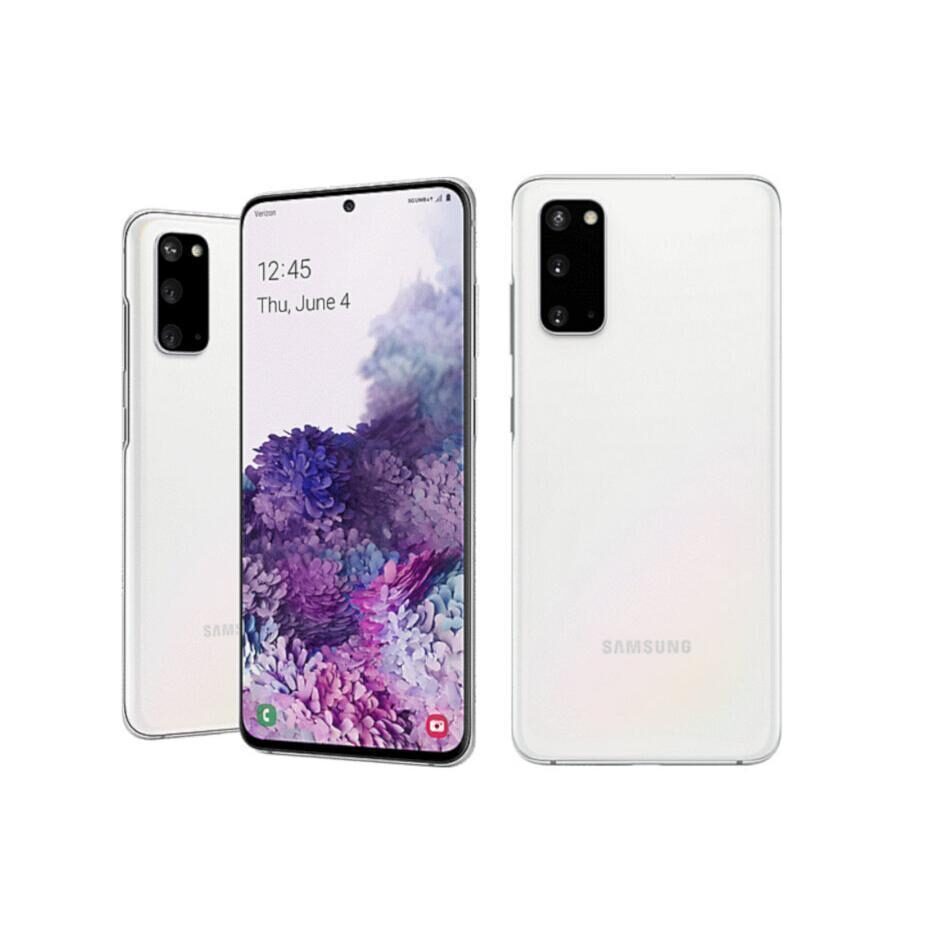
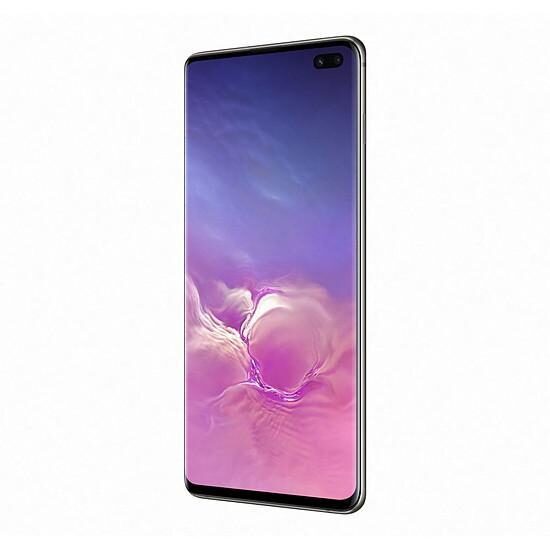
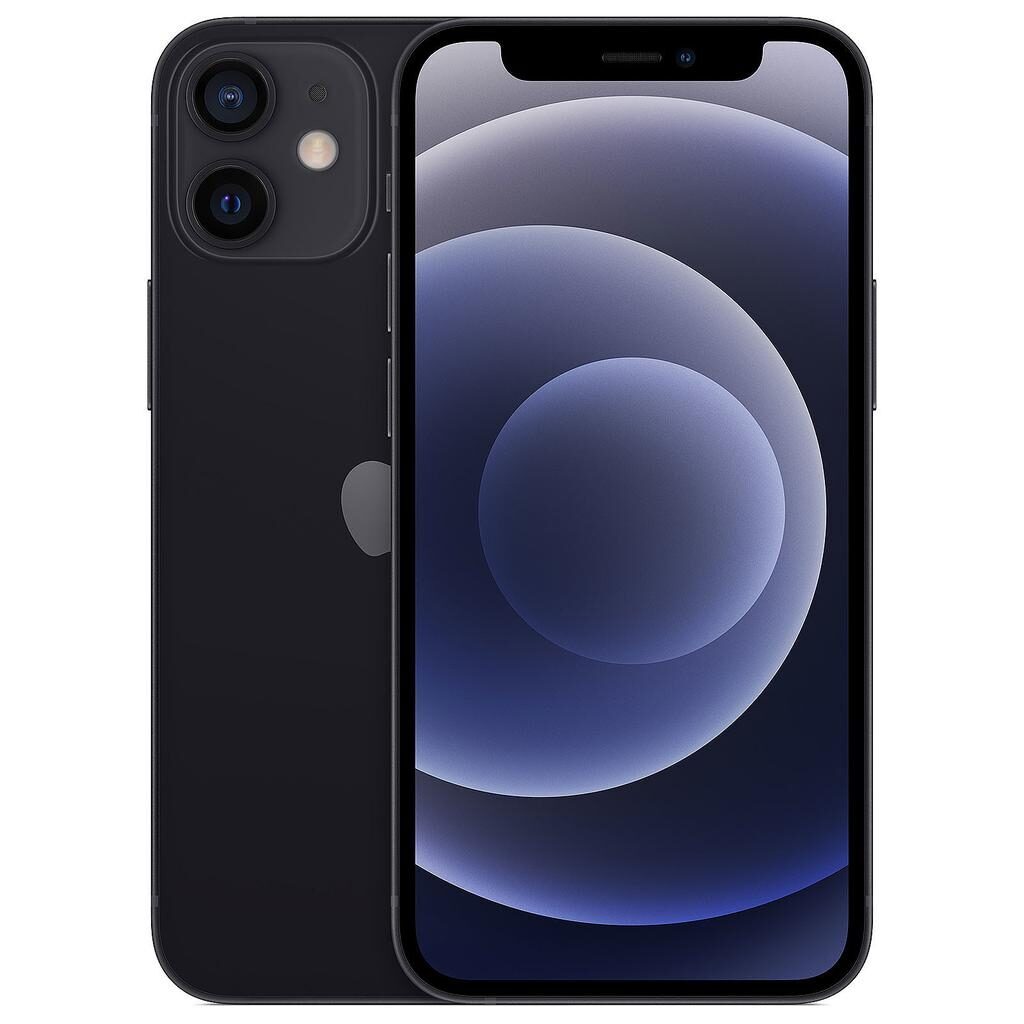
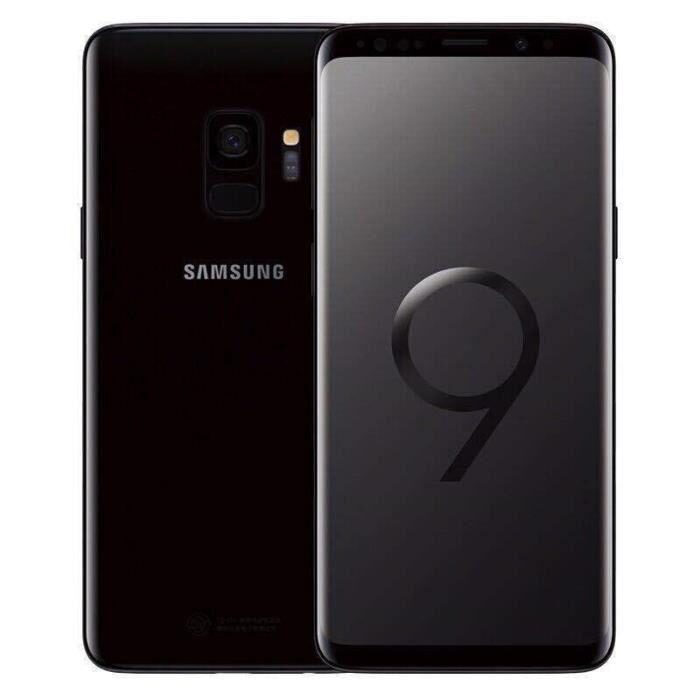
Galaxy Note8 vs Google Pixel 4
Shop Samsung Galaxy
Galaxy Note8
Starting at
£139.32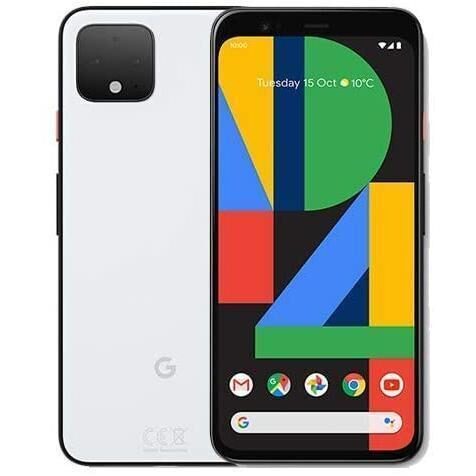
Google Pixel 4
Starting at
£131.91What's the difference between the Galaxy Note8 and Google Pixel 4?
Galaxy Note8 vs Google Pixel 4 comes down to the chipset, battery and screen size. Refurbished, the Google Pixel 4 starts at £131.91, £7.41 less than the Galaxy Note8. The Google Pixel 4 is the newer model, released in 2019.
Refurbished from
Chipset
Battery
Screen size
Screen type
Main camera
- Chipset: Exynos 8895, Qualcomm MSM8998 Snapdragon 835 on the Galaxy Note8, Qualcomm SM8150 Snapdragon 855 (7 nm) on the Google Pixel 4.
- The Galaxy Note8 has a bigger battery: 3300 mAh vs 2800 mAh.
- The Galaxy Note8 has a bigger screen: 6.3 inch vs 5.7 inch.
Galaxy Note8 vs Google Pixel 4 specs
The Galaxy Note8 and Google Pixel 4 differ in several key ways that suit different needs. The Note8 has a larger 6.3 inch Super AMOLED screen with higher resolution, ideal for watching videos or working on a bigger display. The Pixel 4 is smaller and lighter, with a 5.7 inch P-OLED screen, making it easier to handle and pocket. Performance wise, Pixel 4 uses a Snapdragon 855 chipset while both have 6 GB RAM, fitting users who want a newer processor. Note8 offers a bigger 3300 mAh battery and a microSDXC slot for extra storage, good for heavy daily use. Pixel 4 supports eSIM and has more storage options, including 128GB. Your choice depends on whether you prefer a larger screen and expandable storage or a more compact phone with newer chipset and eSIM support.
Galaxy Note8 vs Google Pixel 4 price
Colour
- BlackSold out
- WhiteSold out
- BlackSold out
Storage
- 64GBSold out
- 64GBSold out
- 128GBSold out
Galaxy Note8 vs Google Pixel 4 battery life and software updates
Durability covers battery capacity, software updates, and basic design factors.
Battery Capacity
The Galaxy Note8 has a 3300 mAh battery which suits users who need longer use between charges, especially with its larger screen. The Google Pixel 4 has a 2800 mAh battery, which is smaller and may require more frequent charging if you use power-intensive apps.
Operating System Updates
This means both phones will run older versions of Android, which may affect app compatibility over time.
Battery
Foldable
Software updates
Year of release
Galaxy Note8 vs Google Pixel 4 performance
Performance depends on the chipset, RAM, and storage options. Both phones have 6 GB RAM, providing similar multitasking ability, but their processors and storage choices vary.
Processor Differences
The Galaxy Note8 uses either the Exynos 8895 or Snapdragon 835 chipset, while the Google Pixel 4 runs on the Snapdragon 855 with 7 nm technology. The Pixel 4's newer chipset generally offers better efficiency and performance for demanding apps.
Storage Capacity
The Galaxy Note8 is stocked with 64GB storage, which is suitable for everyday users. The Google Pixel 4 comes in 64GB and 128GB options, offering more space for apps, photos, and files if you prefer larger storage.
Chipset
RAM
Galaxy Note8 vs Google Pixel 4 screen
Screen quality affects how you view photos, videos, and apps. Size, resolution, and panel type differ between these two phones, influencing clarity and viewing experience.
Screen Size and Resolution
The Galaxy Note8 has a larger 6.3 inch screen with a higher resolution of 1440 x 2960 pixels, providing a sharper and more spacious display for video or multitasking. The Google Pixel 4's 5.7 inch screen has a resolution of 1080 x 2280 pixels, which offers a comfortable size for one-handed use.
Screen Type
The Note8 uses a Super AMOLED screen, known for vibrant colours and deep blacks, which benefits media consumption. The Pixel 4 features a P-OLED screen, delivering bright colours and good contrast in a slightly smaller size.
Refresh rate
Resolution
Screen size
Screen type
Galaxy Note8 vs Google Pixel 4 camera
Camera and audio features shape your experience capturing photos and enjoying calls or music. The two phones have similar camera resolutions with slight differences in main camera megapixels.
Camera Resolution
Both phones have an 8 megapixel front camera suitable for selfies and video calls. The main camera on the Galaxy Note8 is 12 megapixels, while the Google Pixel 4 offers a slightly higher 12.2 megapixels, which can capture marginally more detail in photos.
Front camera
Main camera
Galaxy Note8 vs Google Pixel 4 size and design
Other features affect everyday convenience including size, weight, ports, network, and storage expansion options.
Size and Weight
The Galaxy Note8 measures 162.5 mm tall, 74.8 mm wide, and weighs 195 g, making it larger and heavier. The Google Pixel 4 is more compact at 147.1 mm by 68.8 mm and lighter at 162 g, suiting those who prefer a smaller, easier-to-handle phone.
Connectivity and Expansion
The Galaxy Note8 includes both USB-C and a 3.5mm headphone jack, useful if you want wired audio without an adapter. It also supports microSDXC cards to expand storage beyond its 64GB. The Pixel 4 has USB-C only and offers a physical SIM and eSIM for flexible network options but does not support microSD cards.
Mobile Network
Both phones support 4G networks and come without carrier restrictions, allowing use with various carriers across the UK.
Carrier compatibility
Connector
Depth
Height
Mobile network
SD card slot
SIM card
Weight
Width
Galaxy Note8 or Google Pixel 4: which should you buy?
Buy the Galaxy Note8 if
- you want a bigger battery (3300 mAh vs 2800 mAh)
- you want a bigger screen (6.3 inch vs 5.7 inch)
- you want a headphone jack
Buy the Google Pixel 4 if
- you want to spend less: it starts at £131.91, £7.41 less than the Galaxy Note8
- you want a lighter build (162 g vs 195 g)
What our customers say
Customers generally praise the Galaxy Note8 for its look and feel, often saying it looks like new and works perfectly. Many appreciate its bargain value and large screen. Some note battery life issues requiring frequent charging, and a few mention problems with phone locking or minor charging glitches. Overall, the Note8 suits those who want a larger device with strong basic performance and expandable storage.
Users of the Google Pixel 4 highlight its good condition and battery life, with many enjoying the phone's responsiveness and camera quality. Some report common issues like dead pixels or face recognition problems, but others find it meets their needs well. The Pixel 4 appeals to buyers looking for a lighter, more compact phone with newer chipset and eSIM support, though battery life and screen problems may affect some users.
Choosing between these two depends on your priorities: the Note8 offers a bigger screen and expandable storage suitable for media and multitasking, while the Pixel 4 fits those who want a smaller phone with a newer processor and flexible SIM options.
Galaxy Note8 vs Google Pixel 4 FAQs
Galaxy Note8 vs Google Pixel 4 comes down to the chipset, battery and screen size. Chipset: Exynos 8895, Qualcomm MSM8998 Snapdragon 835 on the Galaxy Note8, Qualcomm SM8150 Snapdragon 855 (7 nm) on the Google Pixel 4. The Galaxy Note8 has a bigger battery: 3300 mAh vs 2800 mAh.
The Google Pixel 4 is cheaper refurbished, from £131.91 compared with £139.32 for the Galaxy Note8.
The Galaxy Note8 has a bigger battery: 3300 mAh vs 2800 mAh.
The Galaxy Note8 has 12 megapixels and the Google Pixel 4 has 12.2 megapixels.
Updates for the Galaxy Note8 ended in Nov 2021. Updates for the Google Pixel 4 ended in Oct 2022. Its last version is Android 13.
Refurbished, the Galaxy Note8 comes in 64GB, and the Google Pixel 4 in 64GB and 128GB.