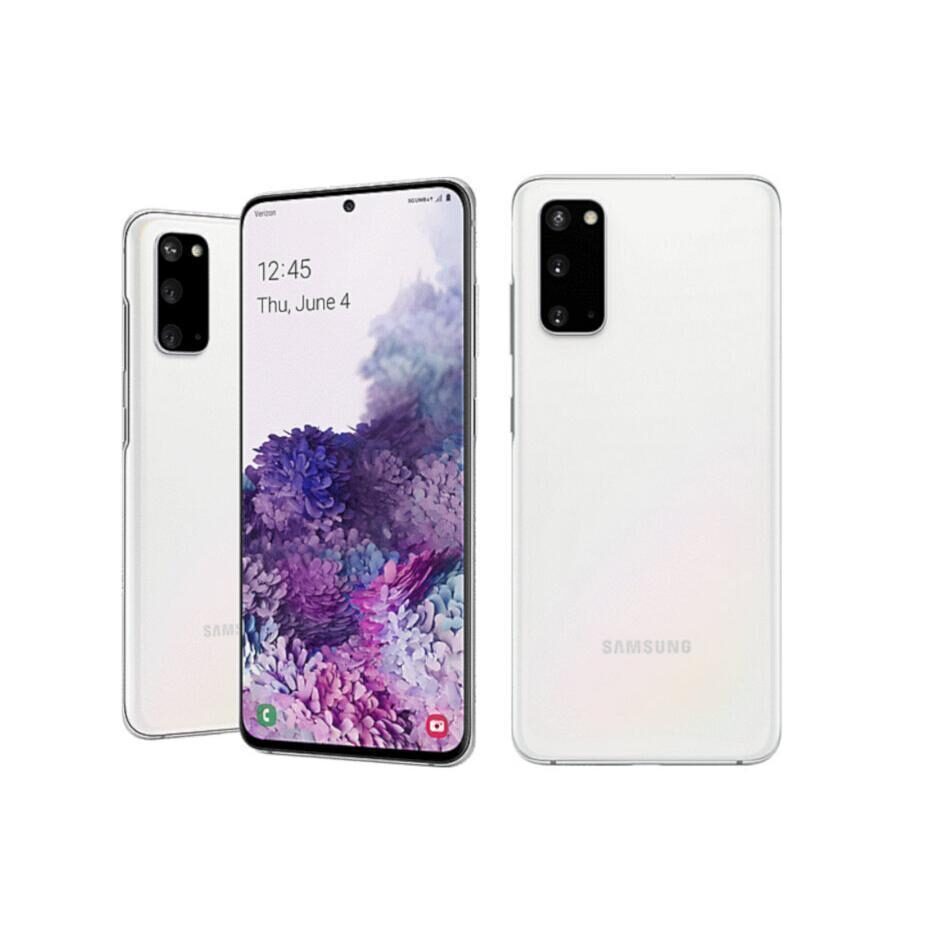
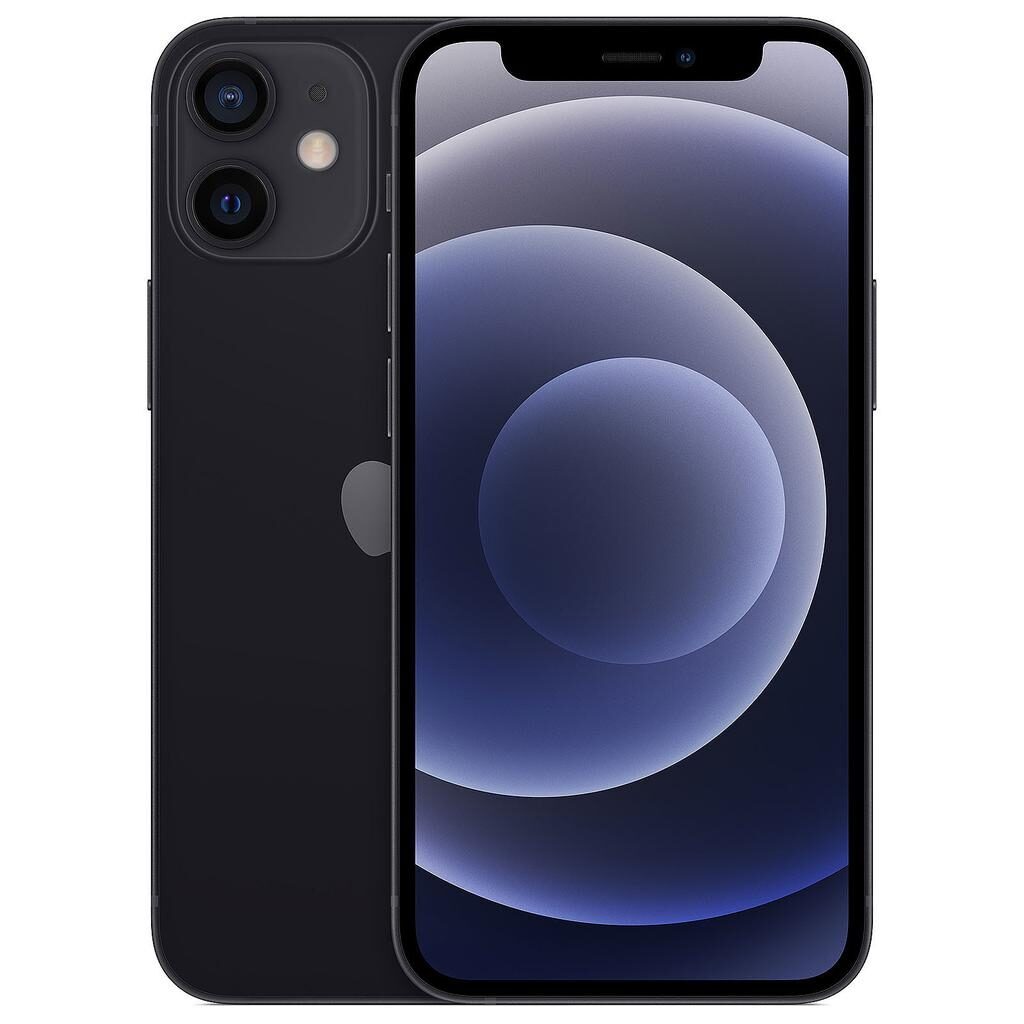
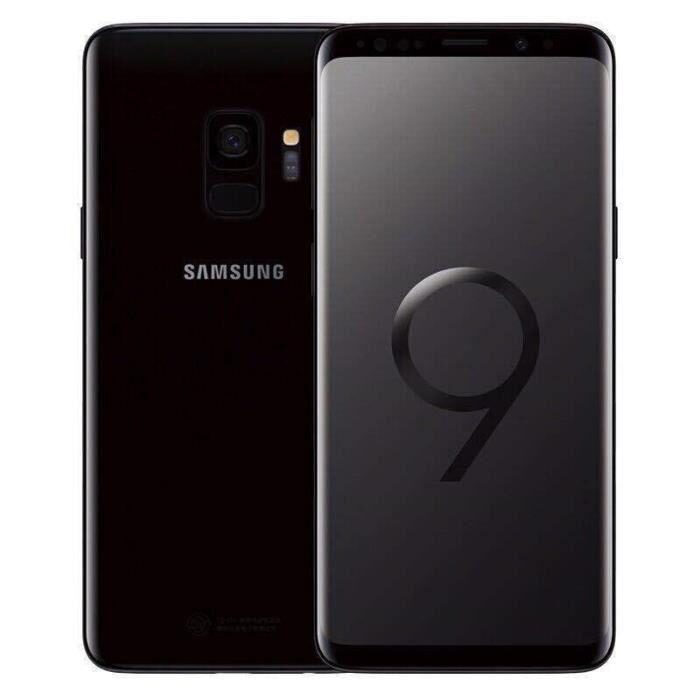
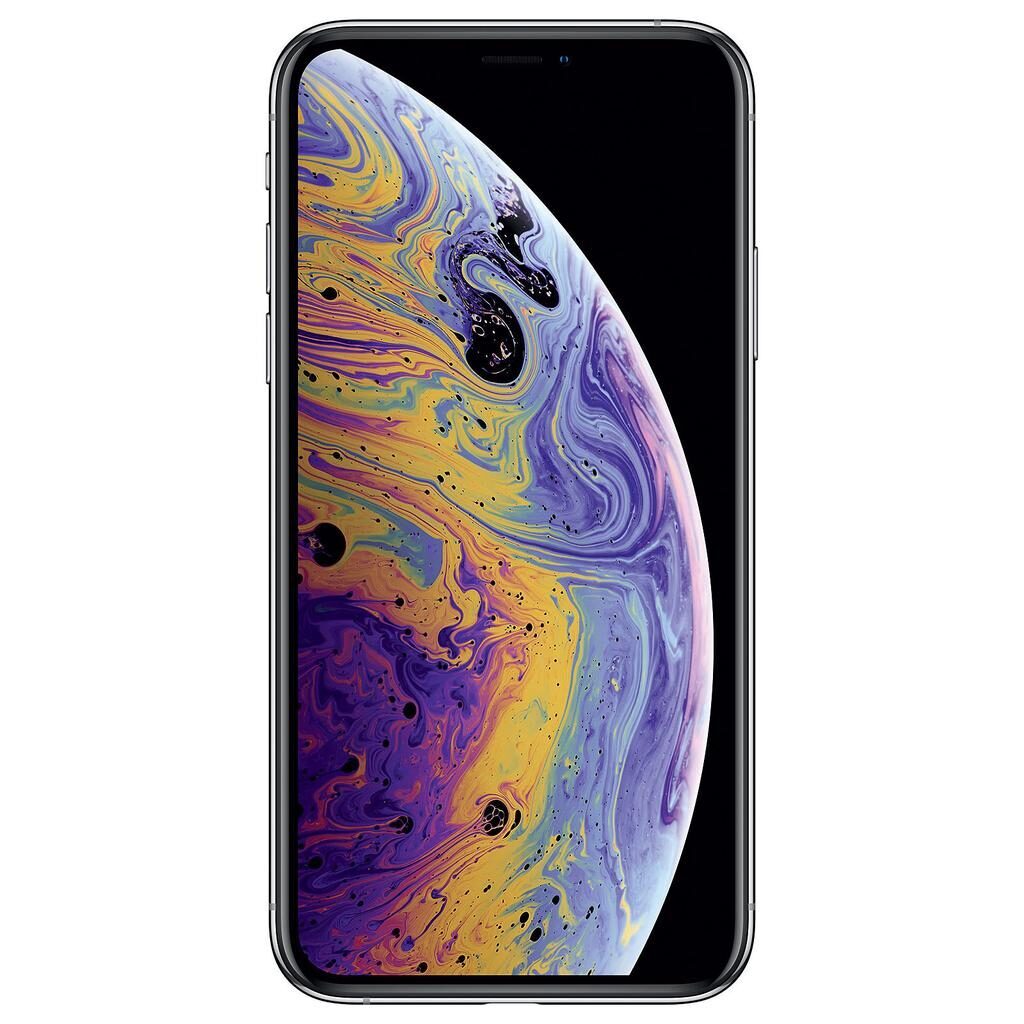
Galaxy Note8 vs Galaxy S10+
Shop Samsung Galaxy
Galaxy Note8
Starting at
£139.32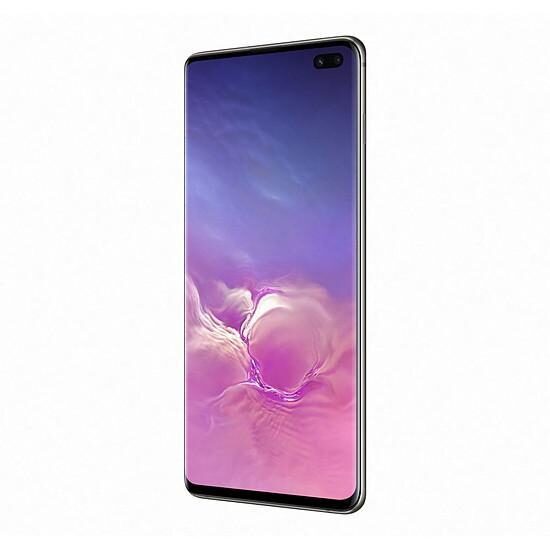
Galaxy S10+
Starting at
£118.91£639.00 newWhat's the difference between the Galaxy Note8 and Galaxy S10+?
Galaxy Note8 vs S10+ comes down to the chipset, RAM and battery. Refurbished, the Galaxy S10+ starts at £118.91, £20.41 less than the Galaxy Note8. The Galaxy S10+ is the newer model, released in 2019.
Refurbished from
Chipset
RAM
Battery
Screen size
Screen type
- Chipset: Exynos 8895, Qualcomm MSM8998 Snapdragon 835 on the Galaxy Note8, Exynos 9820 on the Galaxy S10+.
- The Galaxy S10+ has more RAM: 12 GB vs 6 GB.
- The Galaxy S10+ has a bigger battery: 4100 mAh vs 3300 mAh.
Galaxy Note8 vs Galaxy S10+ specs
The Galaxy Note8 and Galaxy S10+ offer different strengths suited to different users. The Galaxy Note8 is good for everyday use with a solid 6 GB RAM and a 6.3 inch Super AMOLED screen, ideal if you want a capable phone without extra features. The Galaxy S10+ provides more power with 12 GB RAM and a slightly larger 6.4 inch Dynamic AMOLED screen, suited for those who want a more spacious display and more memory for multitasking. Storage options on the S10+ are larger, with up to 512GB available, making it a fit for users needing more space. Both phones have unlocked 4G and support microSD cards, but the S10+ offers dual SIM capability. Choose the Note8 for a simpler setup or the S10+ for more screen size and memory.
Galaxy Note8 vs Galaxy S10+ price
Colour
Storage
- 64GBSold out
Galaxy Note8 vs Galaxy S10+ battery life and software updates
Durability here is about software updates and basic operating system.
Operating System
Both the Galaxy Note8 and Galaxy S10+ run Android, providing a familiar interface and app ecosystem.
Battery
Foldable
Ip rating
Software updates
Wireless charging
Year of release
Galaxy Note8 vs Galaxy S10+ performance
Chipset
RAM
Galaxy Note8 vs Galaxy S10+ screen
Screen quality is important for viewing and interaction. The Galaxy S10+ offers a slightly larger and higher resolution display with a newer screen type, which can make a difference if you watch videos or use your phone for detailed tasks.
Screen Size and Resolution
The Galaxy Note8 has a 6.3 inch screen with a resolution of 1440 x 2960, while the Galaxy S10+ offers a 6.4 inch display with a resolution of 1440 x 3040. The S10+ provides a bit more screen space and a slightly sharper picture, which benefits users who prefer a roomier display for browsing or media.
Screen Technology
The Galaxy Note8 uses a Super AMOLED screen, known for vibrant colours and deep blacks. The Galaxy S10+ features a Dynamic AMOLED screen, which can offer enhanced colour accuracy and brightness. This suits buyers looking for a more vivid and dynamic viewing experience.
Resolution
Screen size
Screen type
Galaxy Note8 vs Galaxy S10+ camera
Camera quality can affect your photos and video calls. While both phones have the same main camera resolution, the front camera differs slightly, which impacts selfies and video chats.
Front Camera
The Galaxy Note8 features an 8 megapixel front camera, suitable for clear selfies and video calls. The Galaxy S10+ has a 10 megapixel front camera, capturing more detail which benefits those who often use the front camera for photos or video conferencing.
Main Camera
Both devices have a 12 megapixel main camera, providing similar image resolution for everyday photography. This makes either phone suitable for users who want good quality photos without prioritising camera differences.
Camera type
Front camera
Main camera
Galaxy Note8 vs Galaxy S10+ size and design
Several practical details affect daily use, such as connectivity, physical size, and SIM options. Both phones share some features but differ in others that may influence your choice.
SIM Card Options
The Galaxy Note8 uses a single physical SIM card, which is straightforward for users who need one line. The Galaxy S10+ supports dual physical SIM cards, useful for those who want to use two numbers or carriers simultaneously.
Storage Capacity
The Galaxy Note8 comes with 64GB storage, fitting basic needs. The Galaxy S10+ offers larger capacities of 128GB or 512GB, which suits users who keep many apps, photos, or files on their phone without relying heavily on microSD cards.
Dimensions and Weight
The Galaxy Note8 measures 162.5 mm tall, 74.8 mm wide, and 8.6 mm deep, weighing 195 g. The Galaxy S10+ is slightly taller at 157.6 mm, wider at 74.1 mm, and a bit thicker at 7.8 mm, weighing 198 g. These small differences affect how the phones feel in hand and pocket.
Connectivity and Expandability
Both phones include USB-C and a 3.5mm headphone jack, supporting wired audio and charging. They also support microSDXC cards for extra storage and are unlocked for use with any carrier on 4G networks. These features give flexibility for various user preferences.
Carrier compatibility
Connector
Depth
Height
Mobile network
Release date
SD card slot
SIM card
Weight
Width
Galaxy Note8 or Galaxy S10+: which should you buy?
Buy the Galaxy S10+ if
- you want to spend less: it starts at £118.91, £20.41 less than the Galaxy Note8
- you want more RAM (12 GB vs 6 GB)
- you want a bigger battery (4100 mAh vs 3300 mAh)
What our customers say
Customers who chose the Galaxy Note8 highlight its appearance and condition, often noting it looks like new. Many find it a great bargain and are pleased with its performance for everyday use. Some mention battery life as a concern, needing frequent charging. The camera and screen receive positive comments, though a few customers had minor issues like moisture detection at first or a locked phone that was unexpected.
Reviews of the Galaxy S10+ show satisfaction with its condition and performance, with many users appreciating the ease of transferring data and the phone's neat look. Battery life is praised in some cases but criticized in others, with a few reports of charging or SIM card problems. Dual SIM capability and larger storage options seem to appeal to buyers needing more flexibility. Most find it a reliable choice that feels like a newer device.
Overall, the Galaxy Note8 suits those seeking a simpler, solid phone with good screen quality and everyday features. The Galaxy S10+ is better for users who want a larger screen, more memory, and dual SIM support, making it a good fit for multitaskers and those with more demanding storage or connectivity needs.
Galaxy Note8 vs Galaxy S10+ FAQs
Galaxy Note8 vs S10+ comes down to the chipset, RAM and battery. Chipset: Exynos 8895, Qualcomm MSM8998 Snapdragon 835 on the Galaxy Note8, Exynos 9820 on the Galaxy S10+. The Galaxy S10+ has more RAM: 12 GB vs 6 GB.
The Galaxy S10+ is cheaper refurbished, from £118.91 compared with £139.32 for the Galaxy Note8.
The Galaxy S10+ has a bigger battery: 4100 mAh vs 3300 mAh.
Both have the same main camera: 12 megapixels.
Updates for the Galaxy Note8 ended in Nov 2021. Updates for the Galaxy S10+ ended in Apr 2023.
The Galaxy S10+ adds more RAM (12 GB vs 6 GB), a bigger battery (4100 mAh vs 3300 mAh) and a higher-resolution front camera (10 megapixels vs 8 megapixels). Refurbished, it costs £20.41 less (from £118.91 vs £139.32).
Refurbished, the Galaxy Note8 comes in 64GB, and the Galaxy S10+ in 128GB and 512GB.