Galaxy M21 vs Nokia 3.4
Shop Samsung Galaxy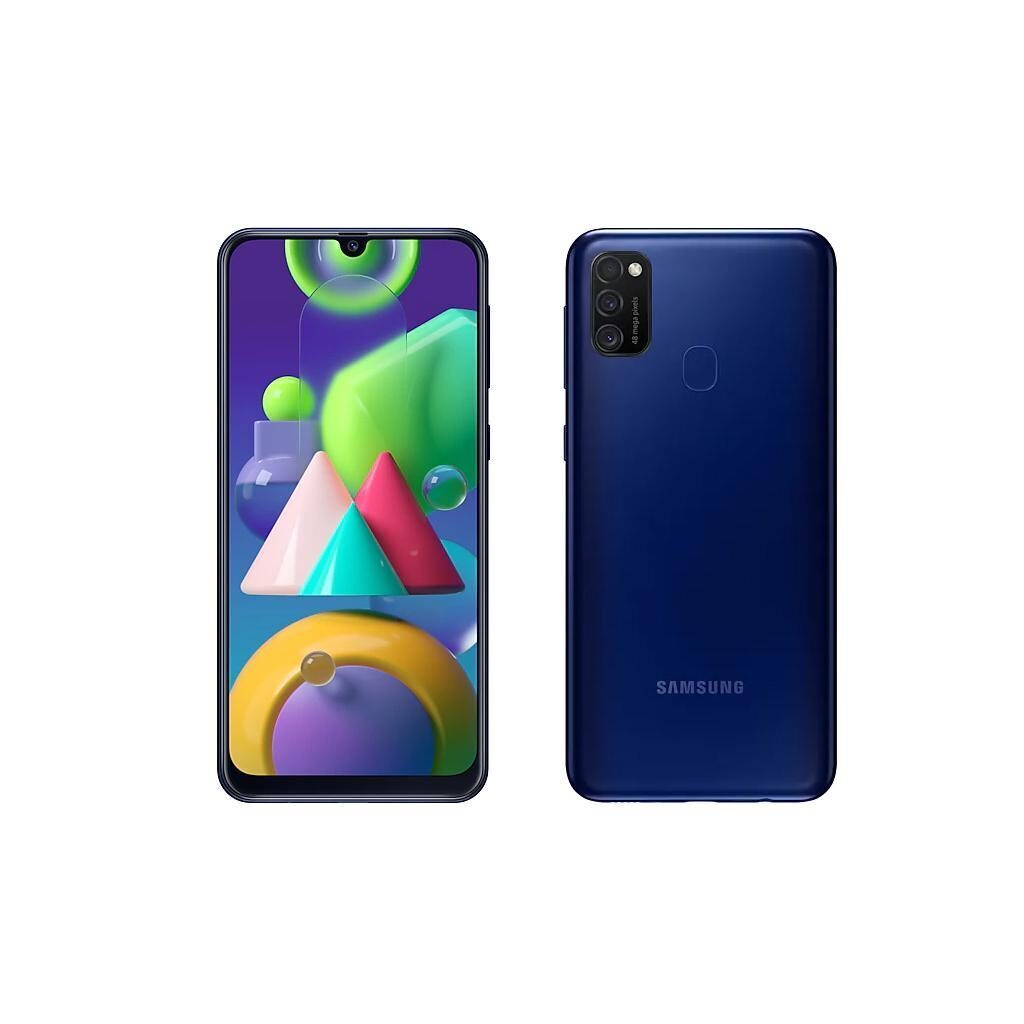
Galaxy M21
Starting at
£89.00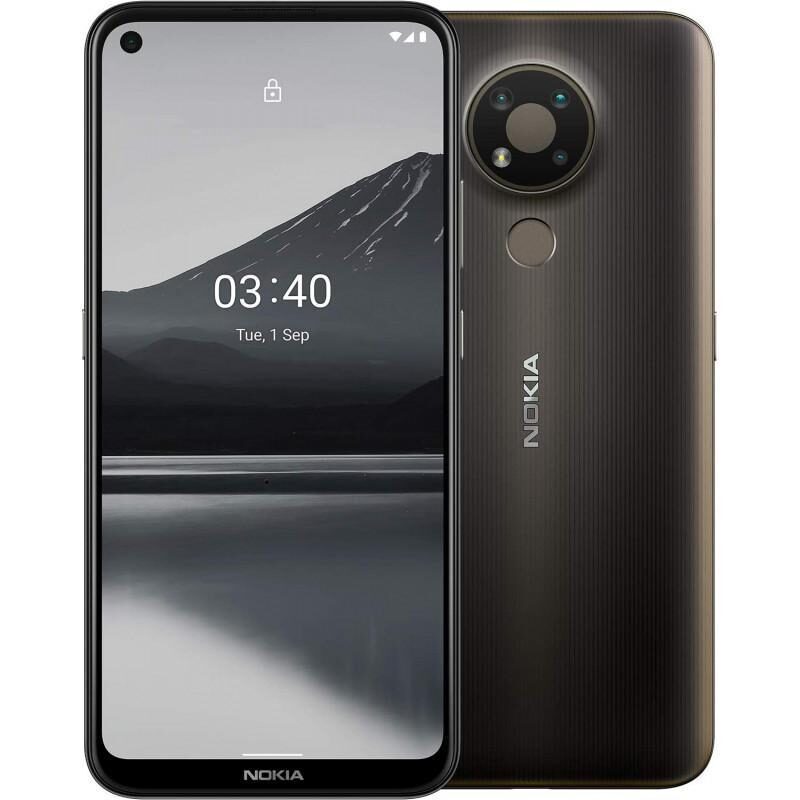
Nokia 3.4
Starting at
£103.00What's the difference between the Galaxy M21 and Nokia 3.4?
Galaxy M21 vs Nokia 3.4 comes down to the chipset, battery and screen size. Refurbished, the Galaxy M21 starts at £89, £14 less than the Nokia 3.4.
Refurbished from
Chipset
Battery
Screen size
Screen type
Main camera
- Chipset: Exynos 9611 on the Galaxy M21, Qualcomm SM4250 Snapdragon 460 (11 nm) on the Nokia 3.4.
- The Galaxy M21 has a bigger battery: 6000 mAh vs 4000 mAh.
- Screen size: 6.4 inch on the Galaxy M21, 6,39 inch on the Nokia 3.4.
Galaxy M21 vs Nokia 3.4 specs
The Galaxy M21 and Nokia 3.4 both come from 2020 and run Android, but they cater to different needs. The Galaxy M21 is suited for users who want longer battery life, a higher resolution Super AMOLED screen, and more detailed cameras. It also offers more storage options and supports dual physical SIM cards. The Nokia 3.4 fits well for those who prefer a simpler display resolution with an IPS LCD screen and a lighter phone. Both devices are unlocked and support 4G networks, making them versatile choices depending on your priorities for battery, screen quality, camera detail, and storage.
Galaxy M21 vs Nokia 3.4 price
Colour
- BlueSold out
- CharcoalSold out
Storage
- 64GBSold out
- 32GBSold out
Galaxy M21 vs Nokia 3.4 battery life and software updates
Battery capacity and software updates are key durability considerations. Both phones run Android and were released in 2020, but their battery sizes differ, affecting how long you can use them between charges.
Battery Capacity
The Galaxy M21 has a 6000 mAh battery, which suits users who need extended usage time without frequent recharging. The Nokia 3.4 comes with a 4000 mAh battery, fitting those whose daily routines allow for more regular charging.
Battery
Foldable
Software updates
Year of release
Galaxy M21 vs Nokia 3.4 performance
Performance depends on the chipset, RAM, and storage you choose. Both phones have 4 GB of RAM, which keeps everyday apps running smoothly, but their processors and available storage differ.
Processor Differences
The Galaxy M21 uses the Exynos 9611 chipset, while the Nokia 3.4 runs on the Qualcomm SM4250 Snapdragon 460 (11 nm). This affects how each device handles tasks, with the Snapdragon 460 known for efficient performance in everyday use.
Storage Capacity
The Galaxy M21 is available with 64GB of storage, offering more space for apps, photos, and files. The Nokia 3.4 comes with 32GB, which suits users who manage their storage carefully or primarily use cloud services.
Chipset
RAM
Galaxy M21 vs Nokia 3.4 screen
Screen quality impacts your viewing experience for videos, reading, and browsing. The Galaxy M21 and Nokia 3.4 differ in resolution, size, and display technology.
Screen Resolution and Size
The Galaxy M21 features a 6.4 inch screen with 1080 x 2340 resolution, delivering a sharper and more detailed image. The Nokia 3.4 has a slightly smaller 6.39 inch display with 720 x 1560 resolution, good for everyday use and easier on the battery.
Display Technology
Galaxy M21 uses a Super AMOLED screen, which offers vibrant colours and deeper blacks. Nokia 3.4 has an IPS LCD screen, providing consistent brightness and good viewing angles, suitable for general everyday tasks.
Resolution
Screen size
Screen type
Galaxy M21 vs Nokia 3.4 camera
Camera quality is important if you capture photos or video often. Both phones have front and main cameras with different megapixel counts, affecting image detail.
Front Camera
Galaxy M21's 20 megapixels front camera is suited for sharper and more detailed selfies or video calls. Nokia 3.4's 8 megapixels front camera works well for everyday use and casual snapshots.
Main Camera
The Galaxy M21's 48 megapixels main camera captures more detail in photos, ideal for users who prioritise photography. Nokia 3.4's 13 megapixels main camera is suitable for typical snapshots and everyday photography needs.
Camera type
Front camera
Main camera
Galaxy M21 vs Nokia 3.4 size and design
Other factors include carrier compatibility, physical size, SIM card options, and expansion features that affect daily use and convenience.
SIM Card Support
The Galaxy M21 supports dual physical SIM cards, which is helpful if you want to use two numbers or plans on one phone. Nokia 3.4 supports a single physical SIM card.
Memory Card Expansion
Both devices include microSDXC card slots, so you can expand storage with a memory card for photos, music, and other files.
Physical Dimensions and Weight
Galaxy M21 measures 159 mm tall, 75.1 mm wide, and 8.9 mm deep, weighing 188 g. Nokia 3.4 is 161 mm tall, 76 mm wide, 8.7 mm deep, and weighs 180 g. Nokia 3.4 is slightly lighter and a bit taller, which may affect how each feels in your hand or pocket.
Audio and Ports
Both phones have USB-C and a 3.5mm headphone jack, allowing easy use of wired headphones and standard charging cables.
Network Compatibility
Galaxy M21 and Nokia 3.4 both support 4G networks and come unlocked, giving you flexibility to choose your carrier.
Carrier compatibility
Connector
Depth
Height
Mobile network
SD card slot
SIM card
Weight
Width
Galaxy M21 or Nokia 3.4: which should you buy?
Buy the Galaxy M21 if
- you want to spend less: it starts at £89, £14 less than the Nokia 3.4
- you want a bigger battery (6000 mAh vs 4000 mAh)
- you want an OLED screen
Buy the Nokia 3.4 if
- you want a lighter build (180 g vs 188 g)
Galaxy M21 vs Nokia 3.4 FAQs
Galaxy M21 vs Nokia 3.4 comes down to the chipset, battery and screen size. Chipset: Exynos 9611 on the Galaxy M21, Qualcomm SM4250 Snapdragon 460 (11 nm) on the Nokia 3.4. The Galaxy M21 has a bigger battery: 6000 mAh vs 4000 mAh.
The Galaxy M21 is cheaper refurbished, from £89 compared with £103 for the Nokia 3.4.
The Galaxy M21 has a bigger battery: 6000 mAh vs 4000 mAh.
The Galaxy M21 has a higher-resolution main camera: 48 megapixels vs 13 megapixels.
Updates for the Galaxy M21 ended in Mar 2024. We don't have published update dates for the Nokia 3.4.
Refurbished, the Galaxy M21 comes in 64GB, and the Nokia 3.4 in 32GB.