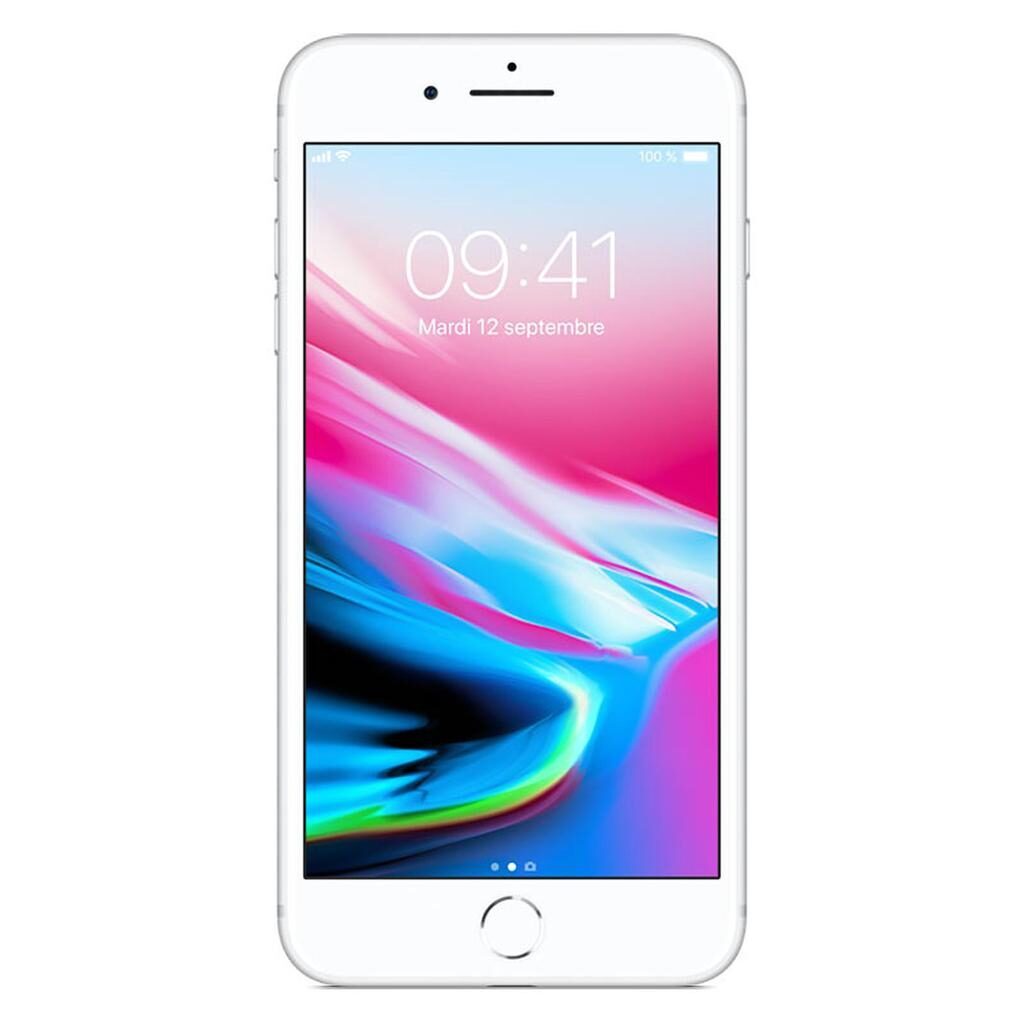
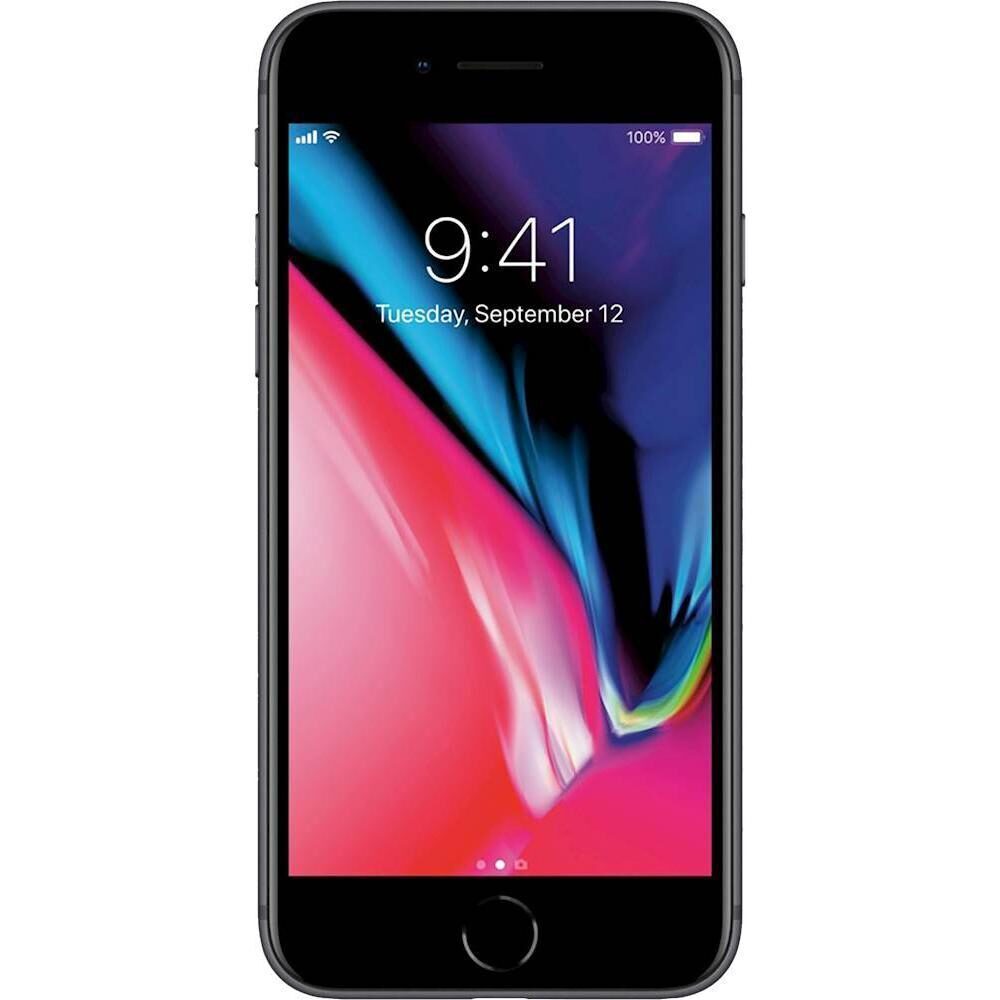
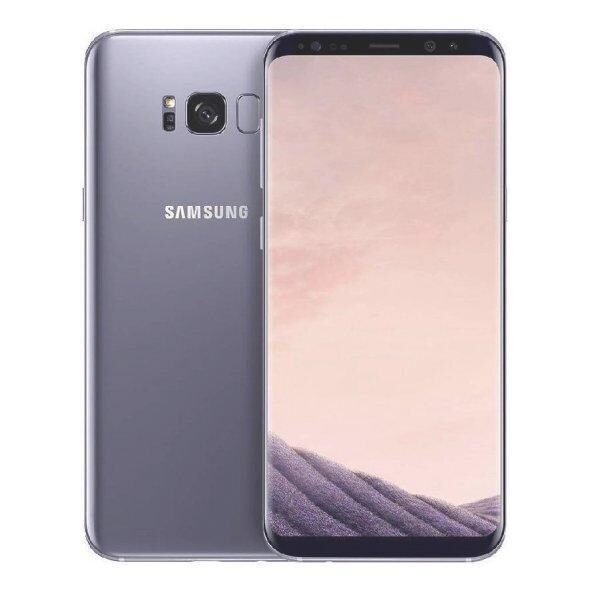
Galaxy J5 (2016) vs iPhone 7 Plus
Shop Samsung Galaxy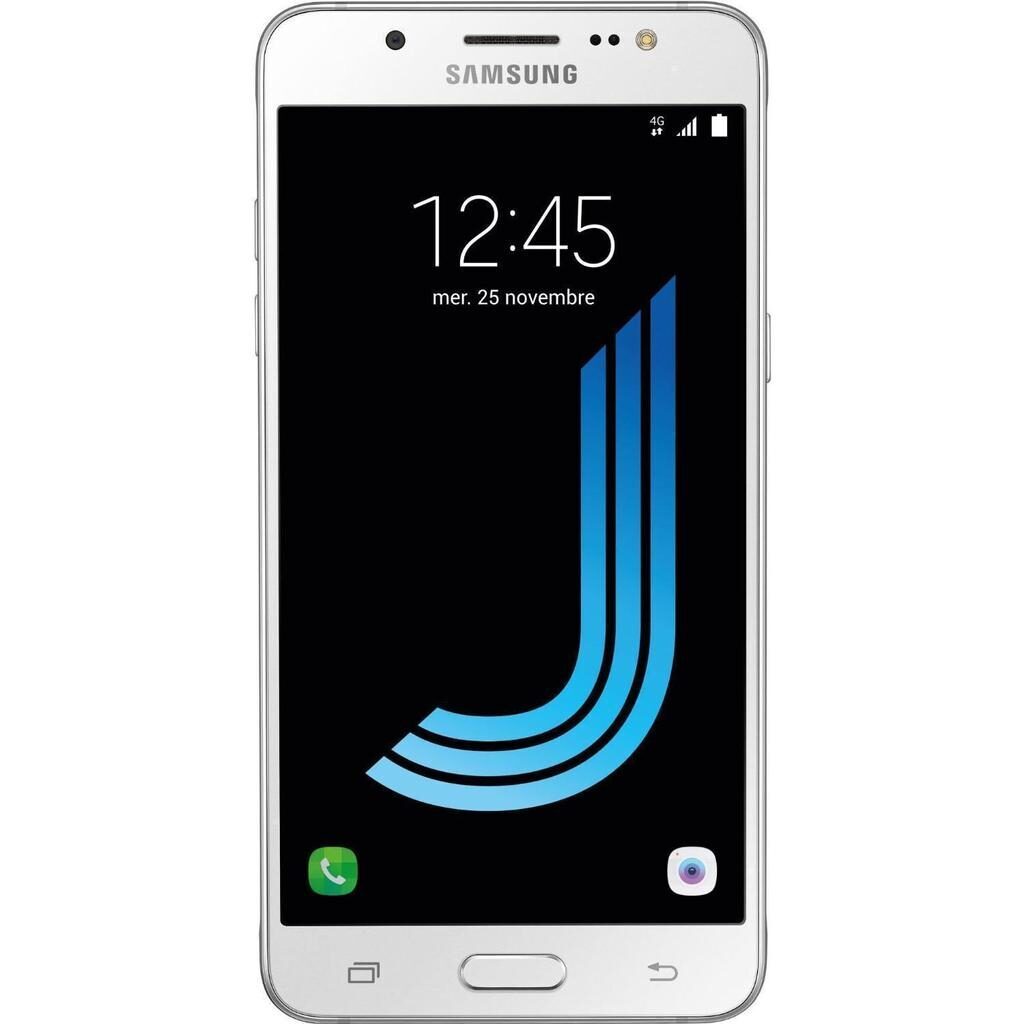
Galaxy J5 (2016)
Starting at
£62.00
iPhone 7 Plus
Starting at
£106.15£139.00 newWhat's the difference between the Galaxy J5 (2016) and iPhone 7 Plus?
Galaxy J5 (2016) vs iPhone 7 Plus comes down to the chipset, RAM and battery. Refurbished, the Galaxy J5 (2016) starts at £62, £44.15 less than the iPhone 7 Plus.
Refurbished from
Chipset
RAM
Battery
Screen size
Screen type
- Chipset: Qualcomm MSM8916 on the Galaxy J5 (2016), Apple A10 Fusion (16 nm) on the iPhone 7 Plus.
- The iPhone 7 Plus has more RAM: 3 GB vs 2 GB.
- The Galaxy J5 (2016) has a bigger battery: 3100 mAh vs 2900 mAh.
Galaxy J5 (2016) vs iPhone 7 Plus specs
The Galaxy J5 (2016) and iPhone 7 Plus both come from 2016 and offer solid options for everyday use with unlocked 4G connectivity. The Galaxy J5 suits those who want a compact phone with a Super AMOLED screen and expandable storage via microSDXC. It has 2 GB RAM and 16GB storage, suitable for essential apps. The iPhone 7 Plus has a larger 5.5 inch screen with higher resolution and 3 GB RAM, helping keep more apps open and providing a roomier display for videos. It offers more storage options, up to 128GB. Camera needs vary: the Galaxy J5 has a higher resolution main camera, while the iPhone 7 Plus has a sharper front camera. Your choice depends on screen size preference, storage needs, and camera priorities.
Galaxy J5 (2016) vs iPhone 7 Plus price
Colour
- WhiteSold out
- GoldSold out
Storage
- 16GBSold out
Galaxy J5 (2016) vs iPhone 7 Plus battery life and software updates
Durability covers software updates, operating system, and basic physical features. They differ in operating systems.
Operating System
The Galaxy J5 (2016) runs Android, which suits users familiar with Google services and the Android ecosystem. The iPhone 7 Plus uses iOS, ideal for users who prefer Apple's interface and app environment. Your choice here depends on which system you are more comfortable using.
Battery
Foldable
Ip rating
Software updates
Year of release
Galaxy J5 (2016) vs iPhone 7 Plus performance
Chipset
RAM
Galaxy J5 (2016) vs iPhone 7 Plus screen
Screen quality influences how you experience videos, photos, and everyday use. The two devices differ in size, resolution, and screen technology, affecting clarity and colour presentation.
Screen Size
The iPhone 7 Plus has a larger 5.5 inch display, offering more room for watching videos or browsing. The Galaxy J5 (2016) has a smaller 5.2 inch screen, which may be easier to handle for users who prefer compact phones.
Screen Resolution
The iPhone 7 Plus features a 1080 x 1920 resolution, providing sharper images and finer detail. The Galaxy J5 (2016) offers 720 x 1280 resolution, which suits everyday use but with less pixel detail compared to the iPhone.
Screen Type
The Galaxy J5 (2016) uses Super AMOLED technology, known for vibrant colours and deep blacks, enhancing media viewing especially in darker scenes. The iPhone 7 Plus uses Retina IPS LCD, which delivers accurate colours and consistent brightness, good for natural image reproduction.
Resolution
Screen size
Screen type
Galaxy J5 (2016) vs iPhone 7 Plus camera
Camera quality affects how well you capture photos and selfies. The two devices show differences in front and main camera megapixels, which can influence image detail.
Front Camera
The iPhone 7 Plus has a 7 megapixel front camera, suitable for clearer and more detailed selfies or video calls. The Galaxy J5 (2016) has a 5 megapixel front camera, which works well for everyday selfies but with slightly less detail.
Main Camera
The Galaxy J5 (2016) offers a 13 megapixel main camera, capturing more detail in photos. The iPhone 7 Plus has a 12 megapixel main camera, which still produces high-quality images with sharpness and colour accuracy.
Camera type
Front camera
Main camera
Galaxy J5 (2016) vs iPhone 7 Plus size and design
Other features include physical size, weight, storage options, and expandability, which can affect daily comfort and convenience.
Storage
The Galaxy J5 (2016) comes with 16GB of storage and supports microSDXC cards, allowing you to add more space for photos, apps, or music. The iPhone 7 Plus offers larger built-in storage options of 32GB and 128GB but does not support expandable storage.
Physical Size and Weight
The Galaxy J5 (2016) is smaller and lighter at 145.8 mm tall, 72.3 mm wide, 8.1 mm deep, and 159 g. The iPhone 7 Plus is taller and wider at 158.2 mm by 77.9 mm, slimmer at 7.3 mm, and heavier at 188 g. Those who prefer a more compact phone may find the Galaxy J5 easier to handle, while the iPhone suits users comfortable with a bigger device.
Carrier and SIM
Both phones are unlocked and use a physical SIM card, offering flexibility to choose or change your network provider without restrictions.
Mobile Network
Both devices support 4G mobile networks, providing reliable and fast internet connectivity for browsing, streaming, and downloads.
Carrier compatibility
Connector
Depth
Height
Mobile network
Release date
SD card slot
SIM card
Weight
Width
Galaxy J5 (2016) or iPhone 7 Plus: which should you buy?
Buy the Galaxy J5 (2016) if
- you want to spend less: it starts at £62, £44.15 less than the iPhone 7 Plus
- you want a bigger battery (3100 mAh vs 2900 mAh)
- you want an OLED screen
Buy the iPhone 7 Plus if
- you want more RAM (3 GB vs 2 GB)
- you want a bigger screen (5.5 inch vs 5.2 inch)
- you want a higher-resolution front camera (7 megapixels vs 5 megapixels)
What our customers say
Customers of the Galaxy J5 (2016) appreciate its good condition and value for money. Many find it a good phone for everyday use, with comments noting it runs okay and looks like new. Some users mention battery life drains faster and occasional slowdowns, which fits a device with simpler specifications. The phone is also recommended for users needing a straightforward device, including elderly users.
iPhone 7 Plus customers generally praise its excellent condition and smooth performance. Many are happy with the device's longer battery life and ease of setup. Reviews mention the phone looks like new and performs well, with positive feedback on its overall quality. Some customers highlight the device as a good gift or suitable for discovering features gradually. A few note that it does not support the latest upgrade, which affects future software updates.
Both phones suit buyers who want reliable refurbished devices from 2016. The Galaxy J5 (2016) fits users seeking a compact phone with expandable storage and simple performance. The iPhone 7 Plus appeals to those preferring a larger screen, more storage options, and the iOS environment.
Galaxy J5 (2016) vs iPhone 7 Plus FAQs
Galaxy J5 (2016) vs iPhone 7 Plus comes down to the chipset, RAM and battery. Chipset: Qualcomm MSM8916 on the Galaxy J5 (2016), Apple A10 Fusion (16 nm) on the iPhone 7 Plus. The iPhone 7 Plus has more RAM: 3 GB vs 2 GB.
The Galaxy J5 (2016) is cheaper refurbished, from £62 compared with £106.15 for the iPhone 7 Plus.
The Galaxy J5 (2016) has a bigger battery: 3100 mAh vs 2900 mAh.
The Galaxy J5 (2016) has a higher-resolution main camera: 13 megapixels vs 12 megapixels.
Updates for the Galaxy J5 (2016) ended in Aug 2019. Updates for the iPhone 7 Plus ended in Mar 2025. Its last version is iOS 15.
Refurbished, the Galaxy J5 (2016) comes in 16GB, and the iPhone 7 Plus in 32GB and 128GB.