Galaxy A70 vs Galaxy Note8
Shop Samsung Galaxy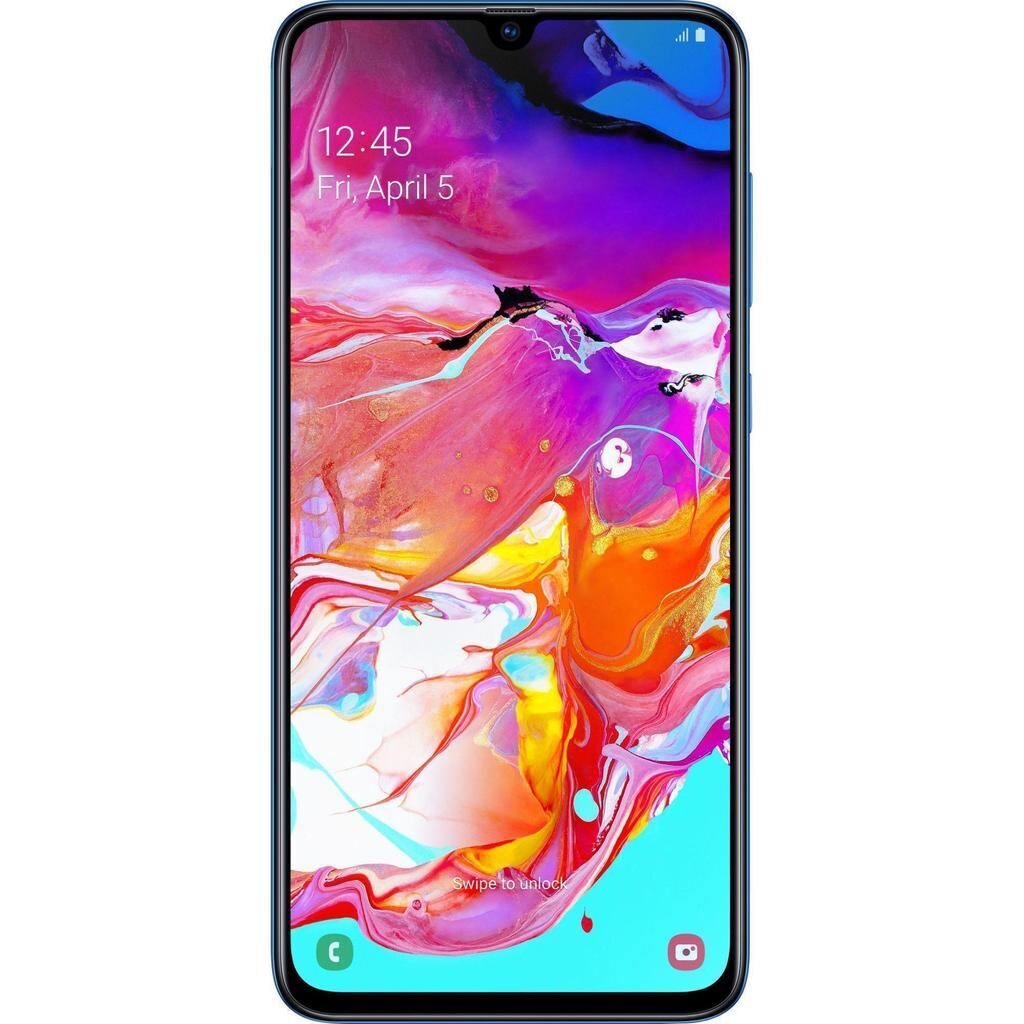
Galaxy A70
Starting at
£151.80£359.00 new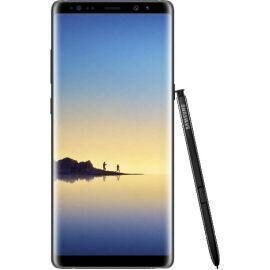
Galaxy Note8
Starting at
£139.32What's the difference between the Galaxy A70 and Galaxy Note8?
Galaxy A70 vs Note8 comes down to the chipset, battery and screen size. Refurbished, the Galaxy Note8 starts at £139.32, £12.48 less than the Galaxy A70. The Galaxy A70 is the newer model, released in 2019.
Refurbished from
Chipset
Battery
Screen size
Main camera
Front camera
- Chipset: Qualcomm SDM675 Snapdragon 675 (11 nm) on the Galaxy A70, Exynos 8895, Qualcomm MSM8998 Snapdragon 835 on the Galaxy Note8.
- The Galaxy A70 has a bigger battery: 4500 mAh vs 3300 mAh.
- The Galaxy A70 has a bigger screen: 6.7 inch vs 6.3 inch.
Galaxy A70 vs Galaxy Note8 specs
The Galaxy A70 and Galaxy Note8 differ in ways that suit different user needs. The Galaxy A70 has a larger 6.7 inch screen with 1080 by 2400 resolution, ideal for those who want more viewing space for videos and apps. It offers a bigger 4500 mAh battery, which helps with longer daily use, and a higher 32 megapixel front camera for detailed selfies. The Galaxy Note8 has a sharper 1440 by 2960 screen with a smaller 6.3 inch size, suited for users preferring higher resolution in a more compact display. Its main camera captures at 12 megapixels, which suits those who prefer a balanced camera setup. Both have 6 GB RAM and 4G connectivity. Galaxy A70 provides 128GB storage and dual SIM slots, while Note8 comes with 64GB and a single SIM. These differences help you decide based on screen size, camera detail, battery life, and storage needs.
Galaxy A70 vs Galaxy Note8 price
Colour
Storage
- 64GBSold out
Galaxy A70 vs Galaxy Note8 battery life and software updates
Durability covers battery capacity and operating system support that affect how long a device lasts through daily use. Battery capacity differs notably between the two.
Battery Capacity
The Galaxy A70 has a 4500 mAh battery, which is larger than the Galaxy Note8's 3300 mAh. This means the A70 can generally support longer usage between charges, making it suitable for heavy users or those who need extended battery life throughout the day.
Operating System Support
This means software features and security improvements available on newer Android versions will not be accessible on these devices.
Battery
Fast charging
Foldable
Software updates
Year of release
Galaxy A70 vs Galaxy Note8 performance
Performance depends on the chipset, RAM, and storage capacity. Both devices have the same amount of RAM, which helps with multitasking and running apps smoothly, but they differ in chipset and storage size.
Chipset Differences
The Galaxy A70 uses the Qualcomm SDM675 Snapdragon 675 chipset. The Galaxy Note8 features two chipsets depending on version: Exynos 8895 or Qualcomm MSM8998 Snapdragon 835. These chipsets handle processing tasks and app performance, so your experience may vary based on the model and typical app demands.
RAM and Storage
Both devices come with 6 GB of RAM, which is sufficient to keep everyday apps running smoothly. The Galaxy A70 offers 128GB of storage, ideal if you need more space for apps, photos, and media. The Galaxy Note8 provides 64GB storage, which suits users with lighter storage needs or those who use external memory cards.
Chipset
RAM
Galaxy A70 vs Galaxy Note8 screen
Screen quality affects how you experience video, photos, and apps. Both devices use Super AMOLED technology for vibrant colours but they differ in size and resolution, which influences sharpness and viewing area.
Screen Size
The Galaxy A70 has a 6.7 inch screen, which offers more room for watching videos or multitasking. The Galaxy Note8's 6.3 inch screen is slightly smaller, fitting more comfortably in one hand or a pocket.
Screen Resolution
The Galaxy Note8 features a 1440 by 2960 resolution, which provides sharper images and more detail on the screen. The Galaxy A70's 1080 by 2400 resolution still delivers good clarity but with a lower pixel density, favouring a larger display over extra sharpness.
Resolution
Screen size
Screen type
Galaxy A70 vs Galaxy Note8 camera
Camera quality is key for capturing photos and video calls. Both devices offer different camera resolutions on the front and back, which affects the level of detail and clarity you get.
Front Camera
The Galaxy A70 has a 32 megapixel front camera, which produces detailed and sharp selfies or video calls. The Galaxy Note8's front camera is 8 megapixels, suitable for everyday use but with less resolution detail.
Main Camera
The Galaxy A70's main camera is 32 megapixels, capturing more detail in photos. The Galaxy Note8 uses a 12 megapixel main camera, which provides balanced photo quality for general photography needs.
Front camera
Main camera
Galaxy A70 vs Galaxy Note8 size and design
Other factors include network compatibility, physical dimensions, SIM card options, and weight, all of which influence convenience and how the phone fits into your lifestyle.
SIM Card Options
The Galaxy A70 supports Dual Physical SIMs, which is useful if you want to use two phone numbers or carriers at once. The Galaxy Note8 uses a single Physical SIM, which suits users with one line.
Size and Weight
The Galaxy A70 is larger at 164.3 mm tall and 76.7 mm wide, with a depth of 7.9 mm and weighs 183 g. The Galaxy Note8 measures 162.5 mm by 74.8 mm by 8.6 mm and weighs 195 g. The Note8 is slightly heavier and thicker, which might affect handling and pocket fit.
Carrier and Network
Both phones are unlocked and support 4G networks, allowing you to use them with most UK carriers without restrictions.
Expandable Storage
Both devices accept microSDXC cards, so you can add more storage if needed beyond the built-in capacity.
Carrier compatibility
Connector
Depth
Height
Mobile network
SD card slot
SIM card
Weight
Width
Galaxy A70 or Galaxy Note8: which should you buy?
Buy the Galaxy A70 if
- you want a bigger battery (4500 mAh vs 3300 mAh)
- you want a bigger screen (6.7 inch vs 6.3 inch)
- you want a higher-resolution main camera (32 megapixels vs 12 megapixels)
Buy the Galaxy Note8 if
- you want to spend less: it starts at £139.32, £12.48 less than the Galaxy A70
What our customers say
Customers who chose the Galaxy A70 often mention its like-new condition and smooth performance. Many appreciate the good battery life and the 128GB storage, which suits their apps and photos. The larger screen and high-resolution cameras receive positive notes, with users happy to recommend the phone. Some mention minor cosmetic marks or small issues with chargers but overall find the phone reliable and a good value. Setup and data transfer are described as straightforward.
Galaxy Note8 customers frequently praise the phone's appearance and performance, with many saying it looks brand new and works perfectly. Battery life is a common concern, with some users needing to charge daily. The camera and screen sharpness are appreciated. A few customers report issues like moisture detection warnings or locked devices, but many find the phone great for their needs.
Both phones suit different preferences: the Galaxy A70 appeals to those wanting a larger screen, longer battery life, and more storage, while the Galaxy Note8 suits buyers looking for a sharper display and a compact feel.
Galaxy A70 vs Galaxy Note8 FAQs
Galaxy A70 vs Note8 comes down to the chipset, battery and screen size. Chipset: Qualcomm SDM675 Snapdragon 675 (11 nm) on the Galaxy A70, Exynos 8895, Qualcomm MSM8998 Snapdragon 835 on the Galaxy Note8. The Galaxy A70 has a bigger battery: 4500 mAh vs 3300 mAh.
The Galaxy Note8 is cheaper refurbished, from £139.32 compared with £151.80 for the Galaxy A70.
The Galaxy A70 has a bigger battery: 4500 mAh vs 3300 mAh.
The Galaxy A70 has a higher-resolution main camera: 32 megapixels vs 12 megapixels.
The Galaxy A70 no longer gets updates. Updates for the Galaxy Note8 ended in Nov 2021.
The Galaxy A70 adds a bigger battery (4500 mAh vs 3300 mAh), a bigger screen (6.7 inch vs 6.3 inch) and a higher-resolution main camera (32 megapixels vs 12 megapixels). Refurbished, it costs £12.48 more (from £151.80 vs £139.32).
Refurbished, the Galaxy A70 comes in 128GB, and the Galaxy Note8 in 64GB.