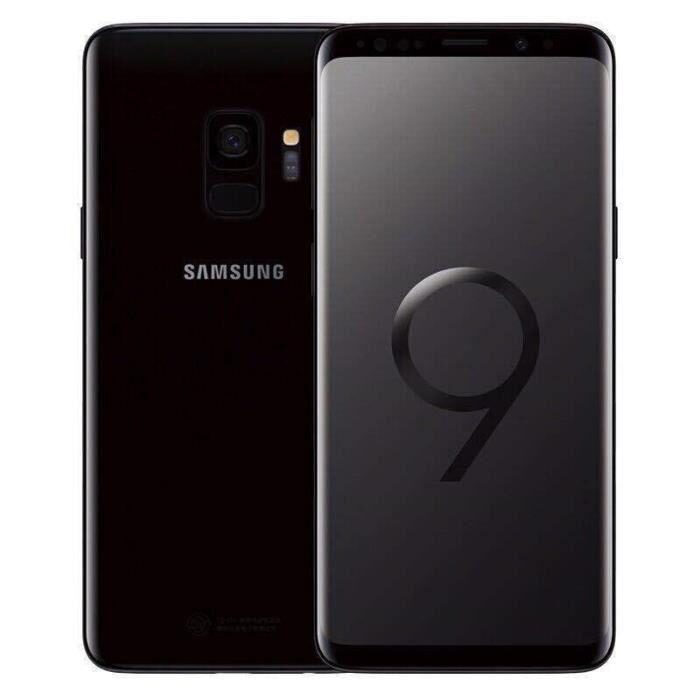
Galaxy A70 vs Galaxy Note10
Shop Samsung Galaxy
Galaxy A70
Starting at
£151.80£359.00 new
Galaxy Note10
Starting at
£199.00What's the difference between the Galaxy A70 and Galaxy Note10?
Galaxy A70 vs Note10 comes down to the chipset, RAM and battery. Refurbished, the Galaxy A70 starts at £151.80, £47.20 less than the Galaxy Note10.
Refurbished from
Chipset
RAM
Battery
Screen size
Screen type
- Chipset: Qualcomm SDM675 Snapdragon 675 (11 nm) on the Galaxy A70, Exynos 9825 (7 nm), Qualcomm SM8150 Snapdragon 855 (7 nm) on the Galaxy Note10.
- The Galaxy Note10 has more RAM: 8 GB vs 6 GB.
- The Galaxy A70 has a bigger battery: 4500 mAh vs 3500 mAh.
Galaxy A70 vs Galaxy Note10 specs
The Galaxy A70 and Galaxy Note10, both released in 2019, offer distinct strengths suited to different users. The Galaxy A70 features a larger 6.7 inch screen and a bigger 4500 mAh battery, making it ideal for those who prioritise screen space and longer battery life. It also supports expandable storage and dual SIM cards, which suits users needing extra storage or multiple numbers. The Galaxy Note10 has a slightly smaller 6.3 inch screen with Dynamic AMOLED and more RAM, which helps keep apps running smoothly. It also offers more built-in storage at 256GB, ideal for users who want ample space without a microSD card. Both phones run Android and are unlocked for UK networks.
Galaxy A70 vs Galaxy Note10 price
Colour
- BlackSold out
- SilverSold out
- WhiteSold out
Storage
- 256GBSold out
Galaxy A70 vs Galaxy Note10 battery life and software updates
Battery capacity and software updates are key durability factors you should consider.
Battery Capacity
The Galaxy A70 has a 4500 mAh battery, which is larger than the Note10's 3500 mAh. This means the A70 can offer longer usage between charges, suiting those who rely on their phone through a busy day without frequent charging. The Note10's smaller battery is still sufficient for everyday use but might need topping up sooner with heavy use.
Battery
Fast charging
Foldable
Software updates
Year of release
Galaxy A70 vs Galaxy Note10 performance
Performance depends on the chipset, RAM, and storage you choose. Both phones support smooth Android operation but differ in processor and memory, which affects multitasking and app handling.
Processor Options
The Galaxy A70 uses a Qualcomm Snapdragon 675 chipset built on 11 nm technology. The Galaxy Note10 offers more advanced chipset options: Exynos 9825 or Qualcomm Snapdragon 855, both built on 7 nm technology. These chipsets typically provide faster processing and better efficiency, making the Note10 suited to users who need more power for demanding apps.
RAM and Multitasking
The Galaxy Note10 comes with 8 GB of RAM compared to 6 GB in the Galaxy A70. More RAM helps keep multiple apps open and running smoothly, which benefits users who multitask or use memory-intensive applications.
Storage Capacity
The Galaxy Note10 offers 256GB of internal storage, ideal for users who want plenty of space for apps, photos, and files without needing additional memory cards. The Galaxy A70 comes with 128GB but supports microSDXC cards, giving flexibility to expand storage when needed.
Chipset
RAM
Galaxy A70 vs Galaxy Note10 screen
Screen size, resolution, and panel type shape your viewing experience. Both phones have Full HD+ resolution but differ in size and screen technology.
Screen Size and Resolution
The Galaxy A70 features a larger 6.7 inch screen with a resolution of 1080 x 2400, offering more space for watching videos or browsing. The Note10 has a slightly smaller 6.3 inch screen at 1080 x 2280 resolution, which still provides sharp images but in a more compact form.
Screen Technology
The Galaxy A70 uses Super AMOLED technology, while the Note10 has a Dynamic AMOLED display. Dynamic AMOLED panels generally offer enhanced colour accuracy and contrast, which can benefit users who prioritise screen quality for media or photography.
Resolution
Screen size
Screen type
Galaxy A70 vs Galaxy Note10 camera
Camera quality is important if you capture photos and selfies. The two phones differ notably in front and main camera megapixels, affecting image detail.
Front Camera Detail
The Galaxy A70 has a 32 megapixel front camera, providing high resolution for selfies and video calls. This suits users who value detailed self-portraits. The Note10's 10 megapixel front camera offers a good balance of clarity and performance.
Main Camera Resolution
For main photos, the Galaxy A70 has a 32 megapixel camera, which captures fine details in images. The Note10 uses a 12 megapixel main camera, which is lower in resolution but can still produce quality photos thanks to other camera technologies.
Camera type
Front camera
Main camera
Galaxy A70 vs Galaxy Note10 size and design
Other features like SIM options, physical dimensions, and network compatibility can influence daily convenience and usage comfort.
SIM and Network
The Galaxy A70 supports dual physical SIM cards, making it suitable for users who want to use two numbers simultaneously, such as separating work and personal calls. The Note10 supports a single physical SIM. Both phones are unlocked and compatible with 4G networks in the UK.
Storage Expansion
The Galaxy A70 includes a microSDXC slot, allowing you to add extra storage with a memory card. This is useful if you store many photos or media files. The Note10 does not have an SD card slot, so storage relies on the internal 256GB capacity.
Size and Weight
The Galaxy A70 is taller and wider, measuring 164.3 mm by 76.7 mm, and weighs 183 g. The Note10 is more compact at 151 mm height and 71.8 mm width, weighing 168 g. If you prefer a larger screen with a bigger physical presence, the A70 fits that preference. The Note10 suits those who want a lighter, smaller phone.
Carrier compatibility
Connector
Depth
Height
Mobile network
Release date
SD card slot
SIM card
Weight
Width
Galaxy A70 or Galaxy Note10: which should you buy?
Buy the Galaxy A70 if
- you want to spend less: it starts at £151.80, £47.20 less than the Galaxy Note10
- you want a bigger battery (4500 mAh vs 3500 mAh)
- you want a bigger screen (6.7 inch vs 6.3 inch)
Buy the Galaxy Note10 if
- you want more RAM (8 GB vs 6 GB)
- you want a lighter build (168 g vs 183 g)
What our customers say
Customers who bought the Galaxy A70 often mention its good condition and smooth performance. Many appreciate the large screen and decent battery life for daily use, with some noting quick charging and easy data transfer. A few mention minor cosmetic issues but overall are happy with the value and quality. Users highlight the phone's storage as sufficient for apps and photos, and the device is praised for working well without lag.
Galaxy Note10 customers report that their phones look like new or have minimal marks even in fair condition. Battery life receives mixed comments, with some users finding it lasts well and others topping up during the day. The phone is appreciated for its overall quality and smooth operation. Some users mention the Note10's size and feel as comfortable and note it helps with pen control. The larger built-in storage is valued by those who keep many files.
Both phones attract users who want reliable refurbished devices with good screen quality and unlocked network compatibility. The Galaxy A70 suits those who prefer a larger screen, longer battery, and expandable storage. The Galaxy Note10 appeals to buyers who need more RAM, higher internal storage, and a compact design.
Galaxy A70 vs Galaxy Note10 FAQs
Galaxy A70 vs Note10 comes down to the chipset, RAM and battery. Chipset: Qualcomm SDM675 Snapdragon 675 (11 nm) on the Galaxy A70, Exynos 9825 (7 nm), Qualcomm SM8150 Snapdragon 855 (7 nm) on the Galaxy Note10. The Galaxy Note10 has more RAM: 8 GB vs 6 GB.
The Galaxy A70 is cheaper refurbished, from £151.80 compared with £199 for the Galaxy Note10.
The Galaxy A70 has a bigger battery: 4500 mAh vs 3500 mAh.
The Galaxy A70 has a higher-resolution main camera: 32 megapixels vs 12 megapixels.
The Galaxy A70 no longer gets updates. The Galaxy Note10 no longer gets updates.
Refurbished, the Galaxy A70 comes in 128GB, and the Galaxy Note10 in 256GB.