Galaxy A20e vs Galaxy Note9
Shop Samsung Galaxy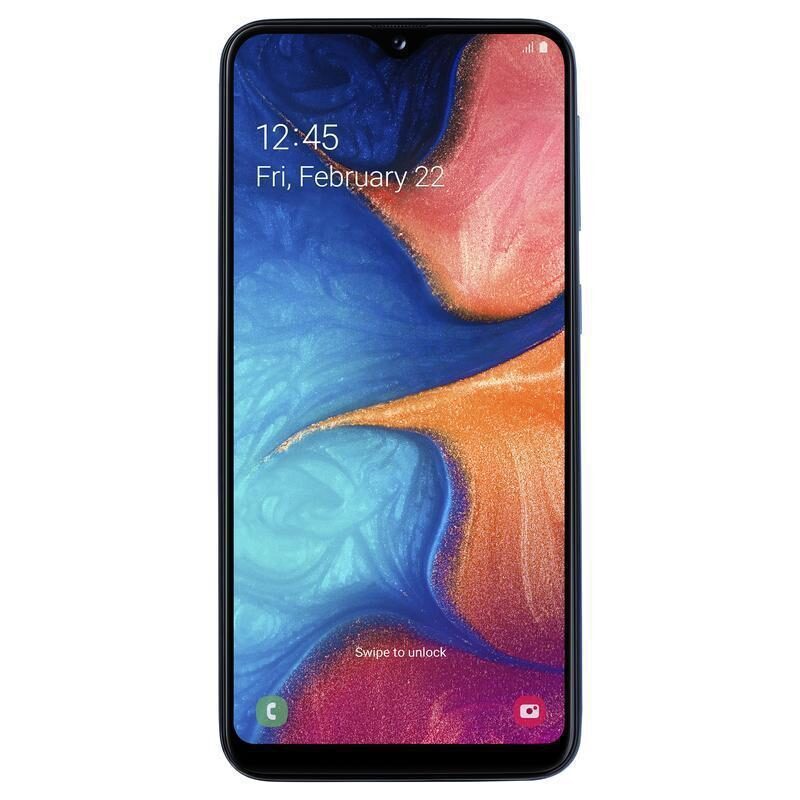
Galaxy A20e
Starting at
£69.35£522.50 new
Galaxy Note9
Starting at
£142.00What's the difference between the Galaxy A20e and Galaxy Note9?
Galaxy A20e vs Note9 comes down to the chipset, RAM and battery. Refurbished, the Galaxy A20e starts at £69.35, £72.65 less than the Galaxy Note9. The Galaxy A20e is the newer model, released in 2019.
Refurbished from
Chipset
RAM
Battery
Screen size
Screen type
- Chipset: Exynos 7884 (14 nm) on the Galaxy A20e, Exynos 9810, Qualcomm SDM845 Snapdragon 845 on the Galaxy Note9.
- The Galaxy Note9 has more RAM: 6 GB vs 3 GB.
- The Galaxy Note9 has a bigger battery: 4000 mAh vs 3000 mAh.
Galaxy A20e vs Galaxy Note9 specs
The Galaxy A20e and Galaxy Note9 cater to different needs through their distinct features. The Galaxy A20e is simpler with a smaller 5.8 inch PLS LCD screen, 3 GB RAM, and a 3000 mAh battery suited for everyday use and easy handling. The Galaxy Note9 offers a larger 6.4 inch Super AMOLED screen with higher 1440 x 2960 resolution, 6 GB RAM, and a bigger 4000 mAh battery fitting users who want more power and screen space. Storage also differs, with the Note9 stocked at 128GB compared to the A20e's 32GB. Both phones support 4G and use physical SIM cards, but the Note9 has dual SIM slots. Choose the Galaxy A20e for a compact, straightforward phone or the Galaxy Note9 for enhanced performance and a more immersive display.
Galaxy A20e vs Galaxy Note9 price
Colour
- BlackSold out
- BlueSold out
Storage
- 128GBSold out
Galaxy A20e vs Galaxy Note9 battery life and software updates
Battery capacity impacts how long each phone lasts between charges.
Battery Capacity
The Galaxy A20e has a 3000 mAh battery, suitable for typical daily use with moderate screen size. The Galaxy Note9 has a larger 4000 mAh battery, which can provide longer use between charges, especially useful for heavier users or those who prefer a bigger screen.
Battery
Fast charging
Foldable
Software updates
Year of release
Galaxy A20e vs Galaxy Note9 performance
Performance depends on chipset, RAM and storage. These affect speed, multitasking and how much you can store. The Galaxy Note9 has more memory and storage options than the Galaxy A20e, fitting users who run multiple apps or store more files.
Chipset Variety
The Galaxy A20e uses the Exynos 7884 (14 nm) chipset, which suits everyday tasks. The Galaxy Note9 offers two chipset options: Exynos 9810 or Qualcomm Snapdragon 845, both designed to handle more demanding apps and multitasking with ease.
RAM Capacity
With 3 GB RAM, the Galaxy A20e supports basic multitasking and app use. The Galaxy Note9 doubles this with 6 GB RAM, allowing more apps to stay open and run smoothly, which benefits users who switch frequently between tasks.
Storage Size
Storage options stocked differ with the Galaxy A20e offering 32GB and the Galaxy Note9 128GB. The Note9 suits those who want to save more photos, videos and apps without needing to rely heavily on external storage.
Chipset
RAM
Galaxy A20e vs Galaxy Note9 screen
Screen quality includes size, resolution and panel type, all influencing viewing experience. The Galaxy Note9 has a larger, higher resolution screen with a different panel technology, offering a more vivid and spacious display.
Screen Size
The Galaxy A20e has a 5.8 inch screen, making it easier to handle and carry for those who prefer a compact phone. The Galaxy Note9's 6.4 inch screen offers a roomier display, better suited for watching videos and browsing.
Screen Resolution
The Galaxy A20e features a 720 x 1560 resolution, providing clear visuals for everyday use. The Galaxy Note9 offers a much higher 1440 x 2960 resolution, delivering sharper images and more detail, which benefits users who value screen clarity.
Screen Type
The Galaxy A20e uses a PLS LCD screen, which offers good colour and brightness levels. The Galaxy Note9's Super AMOLED screen provides deeper blacks and more vibrant colours, enhancing media viewing and general use.
Resolution
Screen size
Screen type
Galaxy A20e vs Galaxy Note9 camera
Audiovisual features include camera specifications. Both phones have the same 8 megapixel front camera, but their main cameras differ slightly in megapixels.
Main Camera Megapixels
The Galaxy A20e has a 13 megapixel main camera, which captures detailed photos suitable for everyday photography. The Galaxy Note9 has a 12 megapixel main camera, offering a similar level of detail with a slightly lower megapixel count.
Front Camera Similarity
Both phones have an 8 megapixel front camera, providing similar quality for selfies and video calls.
Camera type
Front camera
Main camera
Galaxy A20e vs Galaxy Note9 size and design
Other features include physical dimensions, SIM card options, weight and network compatibility. These details influence how the phones feel in hand and fit daily needs.
Size and Weight
The Galaxy A20e is smaller and lighter at 147.4 mm height, 69.7 mm width, 8.4 mm depth and 141 g weight, making it more pocket-friendly. The Galaxy Note9 is larger and heavier with 161.9 mm height, 76.4 mm width, 8.8 mm depth and 201 g weight, offering a substantial feel.
SIM Card Options
The Galaxy A20e uses one physical SIM card, fitting those who only need one number. The Galaxy Note9 supports dual physical SIM cards, which benefits users who want to manage two numbers or networks on one device.
Mobile Network and Storage Expansion
Both phones support 4G and have microSDXC card slots, allowing storage expansion beyond the built-in capacity.
Carrier compatibility
Connector
Depth
Height
Mobile network
SD card slot
SIM card
Weight
Width
Galaxy A20e or Galaxy Note9: which should you buy?
Buy the Galaxy A20e if
- you want to spend less: it starts at £69.35, £72.65 less than the Galaxy Note9
- you want a higher-resolution main camera (13 megapixels vs 12 megapixels)
- you want a lighter build (141 g vs 201 g)
Buy the Galaxy Note9 if
- you want more RAM (6 GB vs 3 GB)
- you want a bigger battery (4000 mAh vs 3000 mAh)
- you want a bigger screen (6.4 inch vs 5.8 inch)
What our customers say
Customers of the Galaxy A20e appreciate its condition, often noting that it looks nearly new with no marks or scratches. Many find it excellent for everyday use, especially as a first phone for children or as a reliable backup device. Its price and ease of use attract those who need a straightforward, compact phone. Some mention it is quite slow, which fits users who run fewer apps or do not need high performance. The display is described as clear and the battery generally performs well.
Galaxy Note9 customers praise the phone's features and condition, often stating it looks brand new and runs well. The larger screen and performance suit those who want more from their device. Some users report battery issues and note the phone runs Android 10 without latest updates, which affects app compatibility. The size and dual SIM support are appreciated by users managing multiple numbers. Overall, it is recommended for people who want a more powerful smartphone with more storage.
The Galaxy A20e suits users looking for a simple, compact phone for daily tasks or as a starter device. The Galaxy Note9 fits those who want a larger, sharper display and enhanced performance for multitasking and media.
Galaxy A20e vs Galaxy Note9 FAQs
Galaxy A20e vs Note9 comes down to the chipset, RAM and battery. Chipset: Exynos 7884 (14 nm) on the Galaxy A20e, Exynos 9810, Qualcomm SDM845 Snapdragon 845 on the Galaxy Note9. The Galaxy Note9 has more RAM: 6 GB vs 3 GB.
The Galaxy A20e is cheaper refurbished, from £69.35 compared with £142 for the Galaxy Note9.
The Galaxy Note9 has a bigger battery: 4000 mAh vs 3000 mAh.
The Galaxy A20e has a higher-resolution main camera: 13 megapixels vs 12 megapixels.
The Galaxy A20e no longer gets updates. Updates for the Galaxy Note9 ended in Jul 2022.
The Galaxy A20e adds a higher-resolution main camera (13 megapixels vs 12 megapixels) and a lighter build (141 g vs 201 g). Refurbished, it costs £72.65 less (from £69.35 vs £142).
Refurbished, the Galaxy A20e comes in 32GB, and the Galaxy Note9 in 128GB.