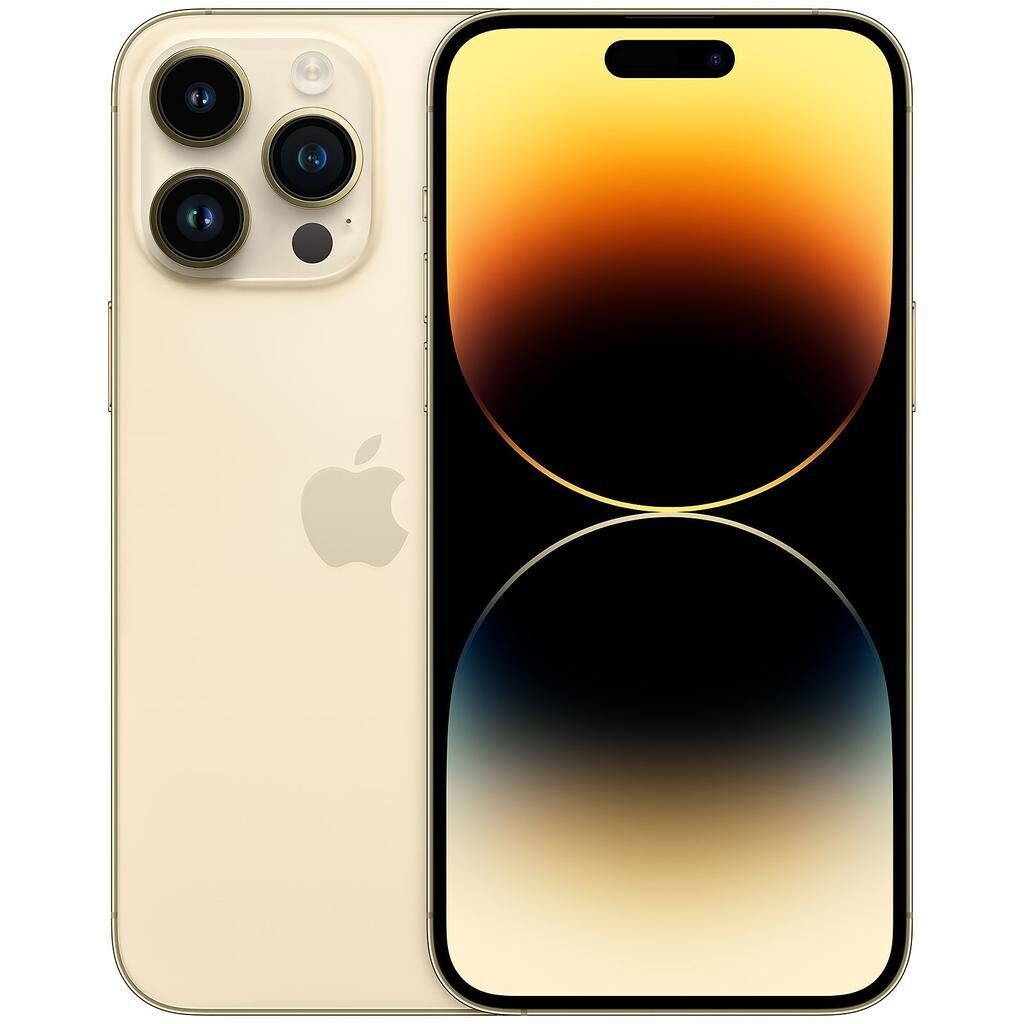
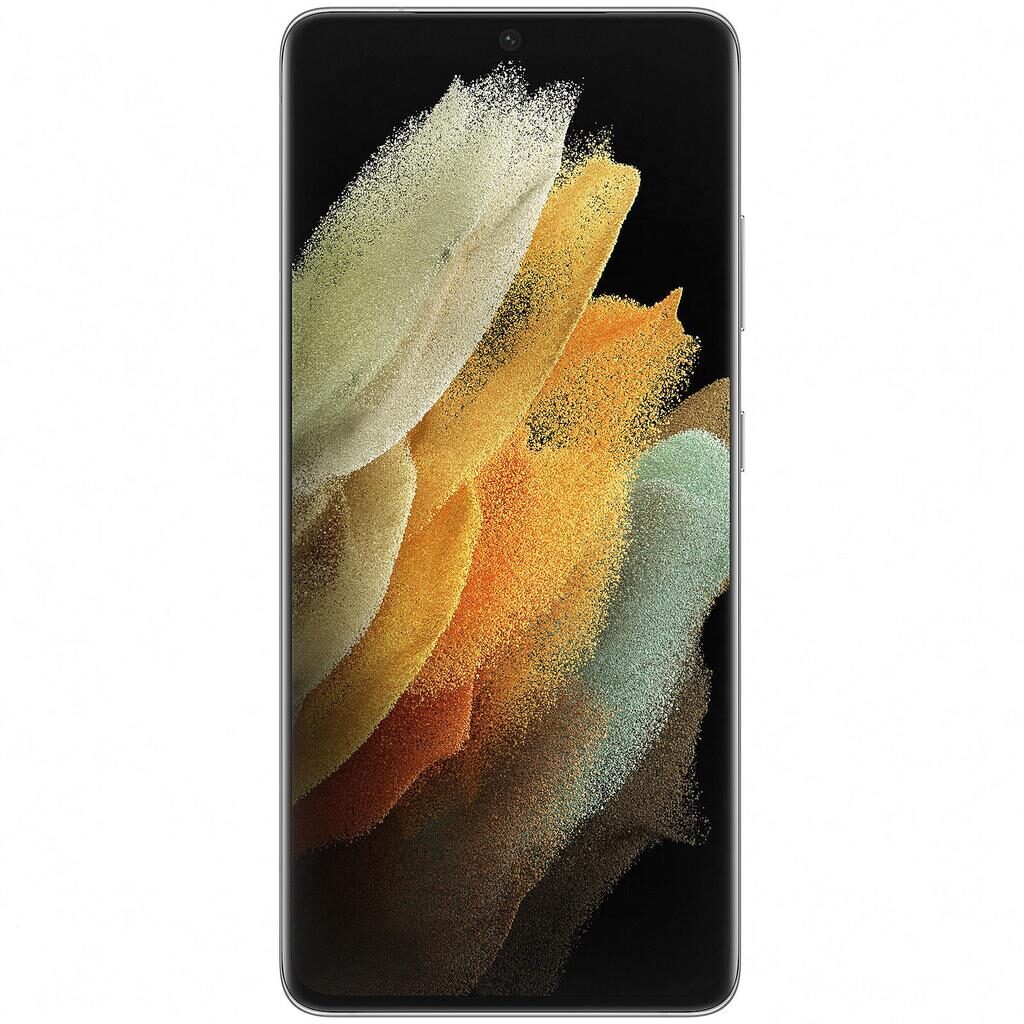
Galaxy A13 vs Galaxy Z Flip4
Shop Samsung Galaxy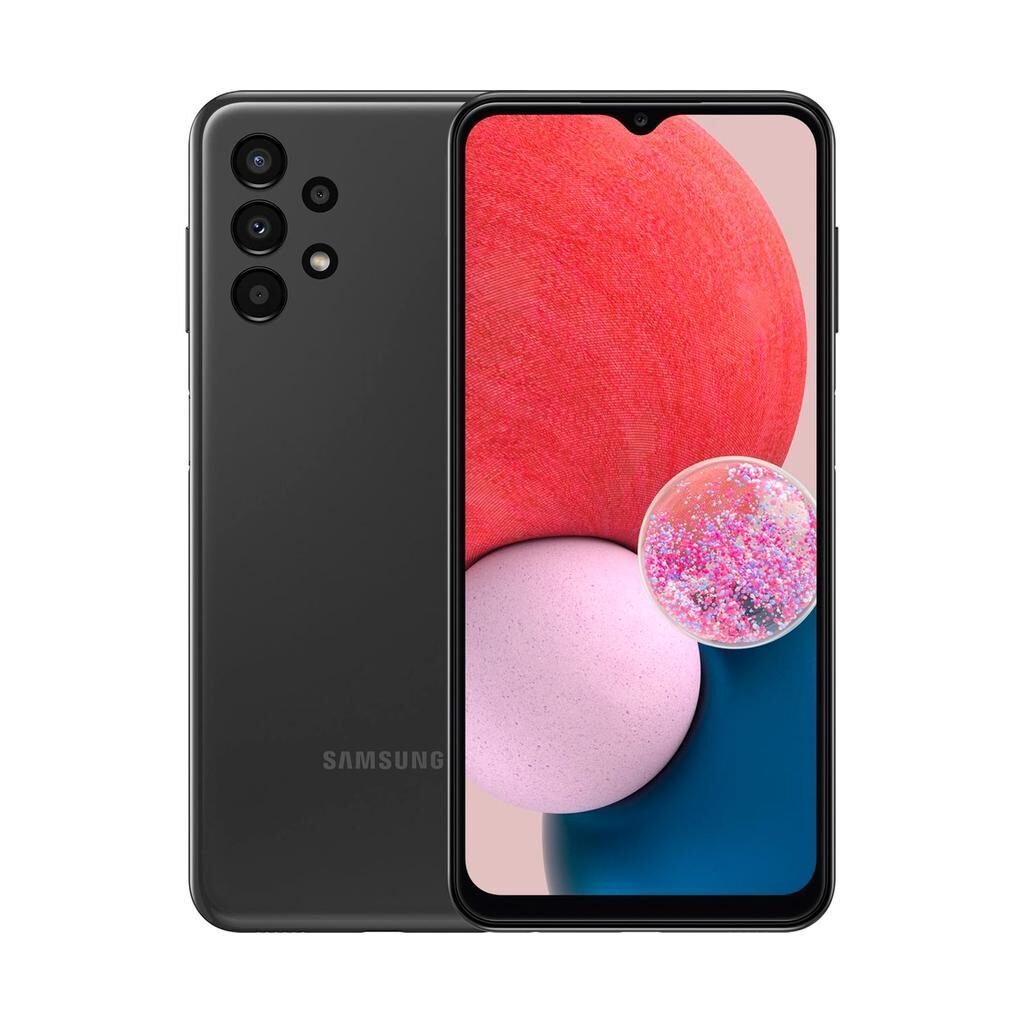
Galaxy A13
Starting at
£89.01£248.00 new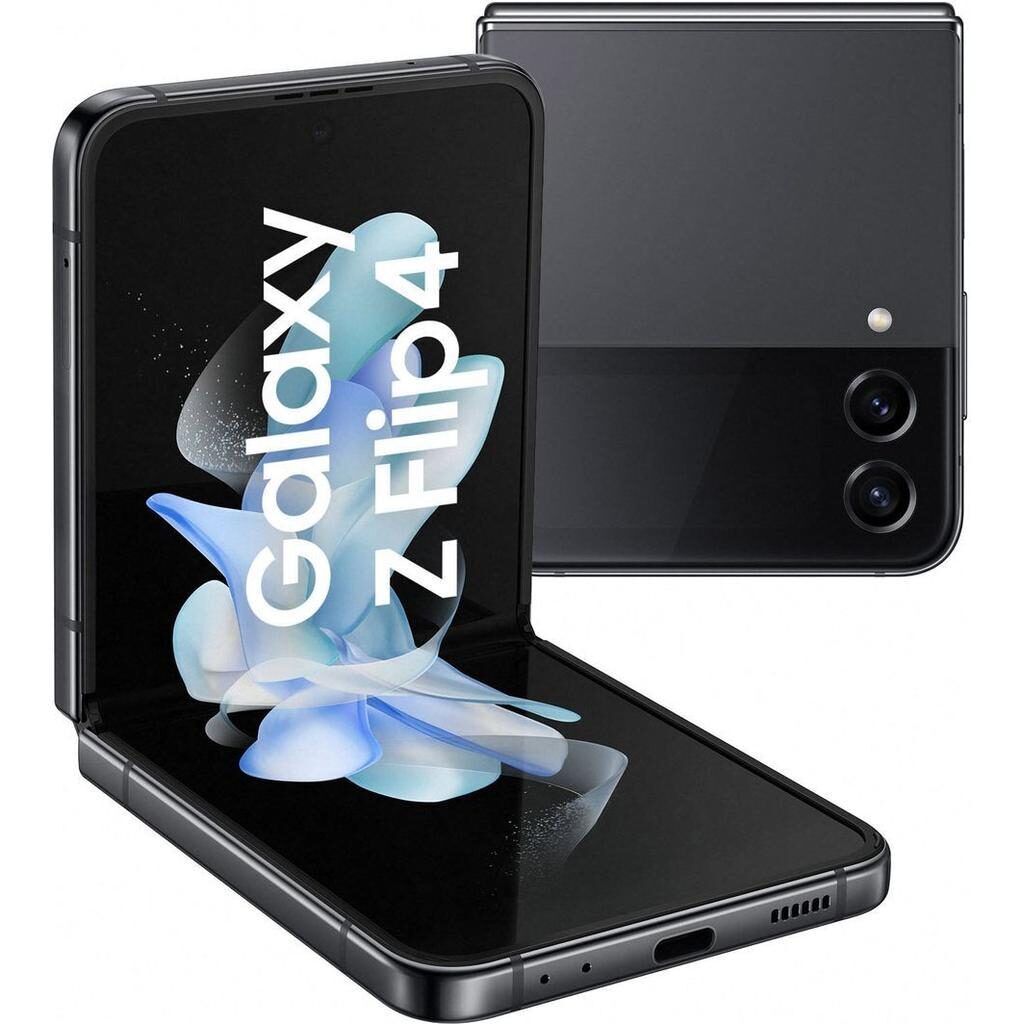
Galaxy Z Flip4
Starting at
£230.00What's the difference between the Galaxy A13 and Galaxy Z Flip4?
Galaxy A13 vs Z Flip4 comes down to the chipset, RAM and battery. Refurbished, the Galaxy A13 starts at £89.01, £140.99 less than the Galaxy Z Flip4.
Refurbished from
Chipset
RAM
Battery
Screen size
Screen type
- Chipset: Exynos 850 on the Galaxy A13, Qualcomm SM8475 Snapdragon 8+ Gen 1 (4 nm) on the Galaxy Z Flip4.
- The Galaxy Z Flip4 has more RAM: 8 GB vs 4 GB.
- The Galaxy A13 has a bigger battery: 5000 mAh vs 3700 mAh.
Galaxy A13 vs Galaxy Z Flip4 specs
The Galaxy A13 and Galaxy Z Flip4 both launched in 2022 but serve different needs. The Galaxy A13 suits those looking for long battery life, a straightforward Android experience, and expandable storage. It also offers a higher resolution main camera for detailed photos. The Galaxy Z Flip4 fits users who want a premium feel with a foldable Dynamic AMOLED screen, faster performance with more RAM, and 5G connectivity. It is ideal if you prefer a higher refresh rate screen and do not need expandable storage. Both phones are unlocked and offer different SIM options, adapting to your connectivity preferences.
Galaxy A13 vs Galaxy Z Flip4 price
Colour
- BlueSold out
- GreySold out
- RedSold out
- Dark purpleSold out
- Rose GoldSold out
- YellowSold out
- GreenSold out
- WhiteSold out
Storage
- 128GBSold out
- 256GBSold out
- 512GBSold out
Galaxy A13 vs Galaxy Z Flip4 battery life and software updates
Durability covers battery capacity, operating system, and the year each phone was released. Both phones run Android and came out in 2022, but their batteries suit different usage patterns.
Battery Capacity
The Galaxy A13 has a 5000 mAh battery, which supports longer use between charges. This suits users who prioritise battery life for extended daily use. The Galaxy Z Flip4 has a 3700 mAh battery, which might appeal to those who use their phone less intensively or can recharge more frequently.
Operating System
Both devices run Android. Both provide access to a wide range of apps and features.
Battery
Foldable
Ip rating
OS at launch
Software updates
Year of release
Galaxy A13 vs Galaxy Z Flip4 performance
Performance depends on chipset, RAM, and storage options, which affect speed, multitasking, and capacity for apps and files.
Chipset Power
The Galaxy Z Flip4 uses a Qualcomm SM8475 Snapdragon 8+ Gen 1 (4 nm), a chipset designed for fast and efficient performance. It suits users who run demanding apps or multitask frequently. The Galaxy A13 has an Exynos 850 chipset, which handles everyday tasks well and suits those with routine needs.
RAM and Multitasking
With 8 GB of RAM, the Galaxy Z Flip4 keeps more apps open simultaneously and supports smoother multitasking. The Galaxy A13 offers 4 GB of RAM, good for routine use where fewer apps run side by side.
Storage Options
The Galaxy A13 is available with 32GB, 64GB, or 128GB of storage, giving options for lighter to moderate storage needs. The Galaxy Z Flip4 starts at 128GB and goes up to 512GB, which suits users who need more space for apps, photos, and media.
Chipset
RAM
Galaxy A13 vs Galaxy Z Flip4 screen
Screen quality affects how you view content, and here the two phones differ in size, type, resolution, and refresh rate.
Screen Size and Resolution
The Galaxy Z Flip4 has a slightly larger 6.7 inch screen with a resolution of 1080 x 2640, offering a bit more vertical space. The Galaxy A13 has a 6.6 inch screen at 1080 x 2408 resolution. Both provide full HD clarity, suitable for watching videos and browsing.
Screen Type and Refresh Rate
The Galaxy Z Flip4 features a Dynamic AMOLED 2X screen with a 120 Hz refresh rate, making animations and scrolling appear smoother and colours more vivid. This is ideal for users who appreciate high-quality displays. The Galaxy A13 uses a PLS LCD screen with a 60 Hz refresh rate, which fits users who prefer a straightforward viewing experience.
Refresh rate
Resolution
Screen size
Screen type
Galaxy A13 vs Galaxy Z Flip4 camera
Audiovisual features include the cameras. These affect photo quality and video calls.
Front Camera
The Galaxy Z Flip4 has a 10 megapixel front camera, offering sharper selfies and video calls. The Galaxy A13 features an 8 megapixel front camera, which suits those happy with standard quality for calls and selfies.
Main Camera
The Galaxy A13 offers a 50 megapixel main camera, capturing detailed photos that suit users who prioritise photography. The Galaxy Z Flip4 has a 12 megapixel main camera, which still provides clear images but with fewer megapixels, appealing to those who use the camera more casually.
Front camera
Main camera
Galaxy A13 vs Galaxy Z Flip4 size and design
Other differences include network compatibility, connectivity, SIM options, expandable storage, and weight, which all influence everyday convenience.
Network and SIM Options
The Galaxy Z Flip4 supports 5G, offering faster mobile data where available, and uses a physical SIM plus an eSIM. This suits users who want the latest network speeds and flexible SIM setups. The Galaxy A13 supports 4G and uses dual physical SIMs, ideal for those who prefer traditional SIM cards or use two networks.
Expandable Storage and Connectors
The Galaxy A13 supports microSDXC cards, allowing you to add more storage as needed. It also includes a 3.5mm headphone jack alongside USB-C, which suits users with wired headphones. The Galaxy Z Flip4 does not have an SD card slot and uses USB Type-C 2.0, fitting users who rely on built-in storage and wireless audio.
Weight
The Galaxy Z Flip4 weighs 187 g, slightly lighter than the Galaxy A13 at 195 g. This difference may be noticeable if you prefer a lighter phone for carrying comfort.
Carrier compatibility
Connector
Depth
Height
Mobile network
Release date
SD card slot
SIM card
Weight
Width
Galaxy A13 or Galaxy Z Flip4: which should you buy?
Buy the Galaxy A13 if
- you want to spend less: it starts at £89.01, £140.99 less than the Galaxy Z Flip4
- you want a bigger battery (5000 mAh vs 3700 mAh)
- you want a higher-resolution main camera (50 megapixels vs 12 megapixels)
Buy the Galaxy Z Flip4 if
- you want more RAM (8 GB vs 4 GB)
- you want an OLED screen
- you want a smoother screen (120 Hz vs 60 Hz)
What our customers say
Customers of the Galaxy A13 often highlight its excellent battery life and the phone's condition. Many mention it being easy to set up and suitable for all ages, including older users who appreciate its straightforward use. Reviews frequently note the phone looks clean with minimal signs of use and performs well for everyday tasks. Overall, buyers are satisfied with the reliability and value the phone offers.
Reviews for the Galaxy Z Flip4 show a mix of experiences. Some customers praise its excellent screen quality, condition, and the unique folding design. They appreciate the phone looking almost like new and holding a charge well for their usage. Others report issues with screen faults, battery life, or device reliability, showing that experiences can vary. Those who like the flip phone format value its compactness and style but some caution about the phone's fragility.
The Galaxy A13 suits users who want dependable battery life and a simple user experience with expandable storage. The Galaxy Z Flip4 is better for those who want a modern foldable phone with a premium display and 5G, and who manage their phone carefully.
Galaxy A13 vs Galaxy Z Flip4 FAQs
Galaxy A13 vs Z Flip4 comes down to the chipset, RAM and battery. Chipset: Exynos 850 on the Galaxy A13, Qualcomm SM8475 Snapdragon 8+ Gen 1 (4 nm) on the Galaxy Z Flip4. The Galaxy Z Flip4 has more RAM: 8 GB vs 4 GB.
The Galaxy A13 is cheaper refurbished, from £89.01 compared with £230 for the Galaxy Z Flip4.
The Galaxy A13 has a bigger battery: 5000 mAh vs 3700 mAh.
The Galaxy A13 has a higher-resolution main camera: 50 megapixels vs 12 megapixels.
Updates for the Galaxy A13 ended in May 2026. The Galaxy Z Flip4 gets updates until Aug 2027.
Refurbished, the Galaxy A13 comes in 32GB, 64GB and 128GB, and the Galaxy Z Flip4 in 128GB, 256GB and 512GB.