Asus Zenfone 8 vs Fairphone 4
Shop Android Smartphones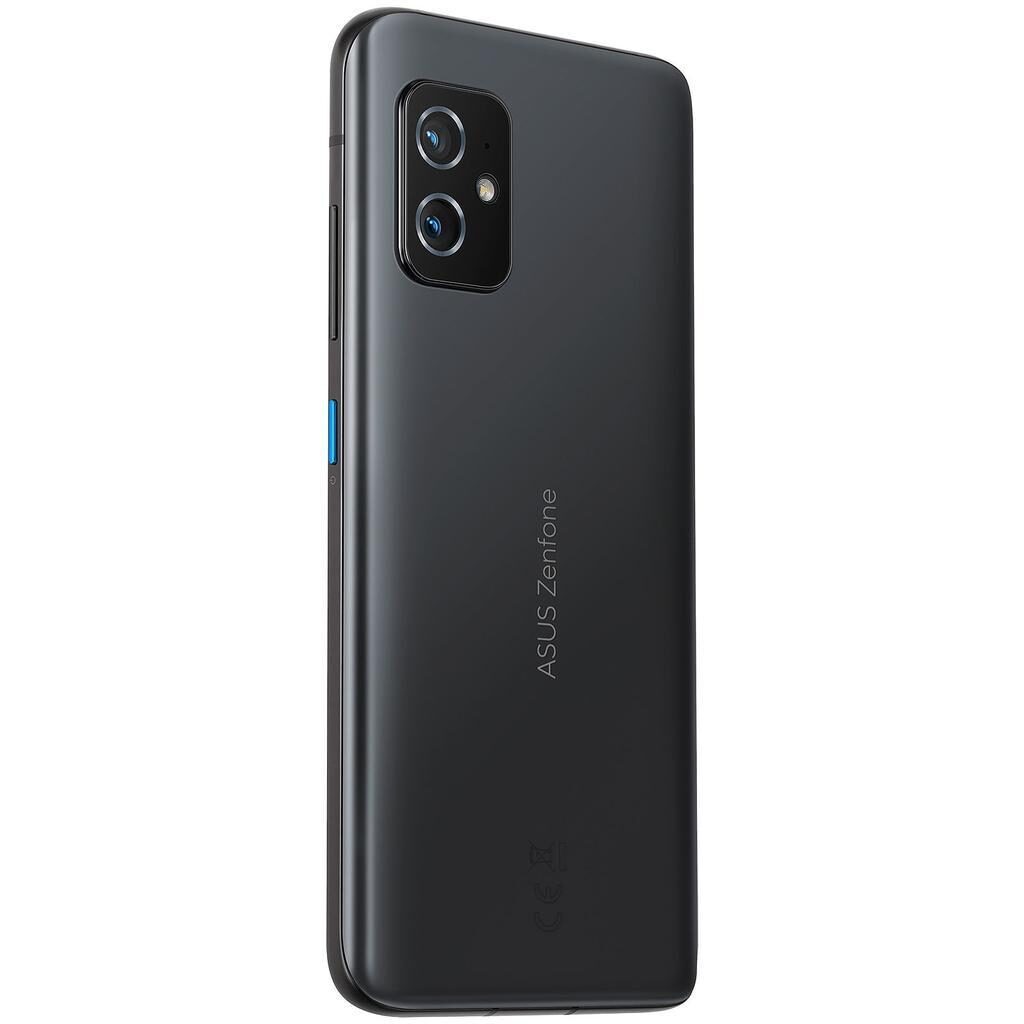
Asus Zenfone 8
Starting at
£691.00
Fairphone 4
Starting at
£402.27What's the difference between the Asus Zenfone 8 and Fairphone 4?
Asus Zenfone 8 vs Fairphone 4 comes down to the chipset, battery and screen size. Refurbished, the Fairphone 4 starts at £402.27, £288.73 less than the Asus Zenfone 8.
Refurbished from
Chipset
Battery
Screen size
Screen type
Main camera
- Chipset: Qualcomm SM8350 Snapdragon 888 5G (5 nm) on the Asus Zenfone 8, Snapdragon 750G SM7225 on the Fairphone 4.
- The Asus Zenfone 8 has a bigger battery: 4000 mAh vs 3905 mAh.
- Screen size: 5,9 inch on the Asus Zenfone 8, 6,3 inch on the Fairphone 4.
Asus Zenfone 8 vs Fairphone 4 specs
The Asus Zenfone 8 and Fairphone 4 both launched in 2021 but suit different needs. The Zenfone 8 offers a more compact size with a smaller, vibrant Super AMOLED screen and a faster Snapdragon 888 chipset, making it ideal if you want a phone that fits comfortably in one hand and handles demanding apps. The Fairphone 4 offers a larger IPS LCD screen and a higher resolution front camera, which suits those who prefer a bigger display for media and detailed selfies.
Asus Zenfone 8 vs Fairphone 4 price
Colour
- BlackSold out
- GreySold out
Storage
- 128GBSold out
- 128GBSold out
- 256GBSold out
Asus Zenfone 8 vs Fairphone 4 battery life and software updates
Durability covers battery capacity, software updates, and operating system. These factors affect how long the phone can run between charges and how long it will receive software improvements.
Battery Capacity
The Asus Zenfone 8 has a 4000 mAh battery, slightly larger than the Fairphone 4's 3905 mAh. This means the Zenfone 8 may provide a little more usage time between charges, which could benefit users who spend long periods away from power.
Operating System
Both phones run Android, so you get access to the same app ecosystem and user interface style regardless of which you choose.
Battery
Foldable
Year of release
Asus Zenfone 8 vs Fairphone 4 performance
Performance depends on the chipset, RAM, and storage options, which determine how smoothly the phone runs apps and handles multitasking.
Processor Speed
The Asus Zenfone 8 uses the Qualcomm SM8350 Snapdragon 888 5G chipset, a higher-tier processor compared to the Fairphone 4's Snapdragon 750G SM7225. This means the Zenfone 8 is better suited to demanding apps and games, delivering faster overall performance.
RAM Size
Both phones come with 6 GB of RAM, which is suitable for everyday use and keeping multiple apps open without slowing down.
Storage Options
The Fairphone 4 offers two storage options: 128GB and 256GB. The Asus Zenfone 8 is available with 128GB. This means the Fairphone 4 can hold more apps, photos, and files if you choose the larger capacity.
Chipset
RAM
Asus Zenfone 8 vs Fairphone 4 screen
Screen quality affects how you see content, from brightness and colours to size and resolution. These differences shape your viewing and interaction experience.
Screen Size
The Fairphone 4 has a larger 6.3 inch screen, providing more room for watching videos or browsing. The Asus Zenfone 8 has a compact 5.9 inch display, making it easier to use with one hand and fit in smaller pockets.
Screen Resolution
The Asus Zenfone 8 offers a resolution of 1080 x 2400, slightly taller than the Fairphone 4's 1080 x 2340. This difference is minimal but means the Zenfone 8 can show a bit more vertical content on screen.
Screen Type
The Zenfone 8 uses a Super AMOLED screen, which typically has deeper blacks and more vibrant colours. The Fairphone 4 uses an IPS LCD, which usually offers accurate colours and wider viewing angles. Your preference depends on how you value colour and brightness.
Refresh rate
Resolution
Screen size
Screen type
Asus Zenfone 8 vs Fairphone 4 camera
Camera quality shapes how well you capture photos and videos. Front and main cameras differ in megapixels, affecting image detail.
Front Camera
The Fairphone 4 has a 25 megapixel front camera, which is higher resolution than the Asus Zenfone 8's 12 megapixels. This makes the Fairphone 4 a better choice for detailed selfies or video calls.
Main Camera
The Asus Zenfone 8 features a 64 megapixel main camera, offering higher resolution images compared to the Fairphone 4's 48 megapixels. This benefits users who want to capture finely detailed photos.
Camera type
Front camera
Main camera
Asus Zenfone 8 vs Fairphone 4 size and design
Miscellaneous features include physical size, weight, connectivity options, and storage expandability, all of which influence daily convenience.
Size and Weight
The Asus Zenfone 8 is smaller and lighter, measuring 148 mm tall, 68.5 mm wide, and 8.9 mm thick, weighing 169 g. The Fairphone 4 is larger and heavier at 162 mm tall, 75.5 mm wide, 10.5 mm thick, and 225 g, so it suits users who prefer a more substantial device or larger screen.
Connectivity Ports
The Asus Zenfone 8 includes both USB-C and a 3.5mm headphone jack, making it easier to use wired headphones without an adapter. The Fairphone 4 has USB-C but no headphone jack.
SIM and Storage Expansion
The Asus Zenfone 8 supports dual physical SIM cards. The Fairphone 4 supports one physical SIM plus an eSIM for digital SIM use, offering flexibility. The Fairphone 4 also supports microSDXC cards, allowing you to expand storage beyond the built-in capacity.
Mobile Network
Both phones support 5G networks, ensuring fast mobile data speeds where available.
Carrier Compatibility
Both devices come unlocked, so you can use them with any compatible network provider.
Carrier compatibility
Connector
Depth
Height
Mobile network
SD card slot
SIM card
Weight
Width
Asus Zenfone 8 or Fairphone 4: which should you buy?
Buy the Asus Zenfone 8 if
- you want a bigger battery (4000 mAh vs 3905 mAh)
- you want an OLED screen
- you want a higher-resolution main camera (64 megapixels vs 48 megapixels)
Buy the Fairphone 4 if
- you want to spend less: it starts at £402.27, £288.73 less than the Asus Zenfone 8
- you want a higher-resolution front camera (25 megapixels vs 12 megapixels)
- you want a memory card slot
Asus Zenfone 8 vs Fairphone 4 FAQs
Asus Zenfone 8 vs Fairphone 4 comes down to the chipset, battery and screen size. Chipset: Qualcomm SM8350 Snapdragon 888 5G (5 nm) on the Asus Zenfone 8, Snapdragon 750G SM7225 on the Fairphone 4. The Asus Zenfone 8 has a bigger battery: 4000 mAh vs 3905 mAh.
The Fairphone 4 is cheaper refurbished, from £402.27 compared with £691 for the Asus Zenfone 8.
The Asus Zenfone 8 has a bigger battery: 4000 mAh vs 3905 mAh.
The Asus Zenfone 8 has a higher-resolution main camera: 64 megapixels vs 48 megapixels.
Refurbished, the Asus Zenfone 8 comes in 128GB, and the Fairphone 4 in 128GB and 256GB.